

WHAT WE LEARNED FROM THE ‘DIGITAL CITIZENSHIP’ CONFERENCE, SOFIA (BULGARIA)
PANEL 1: “Digital Citizenship and Rights in the Digital Age”
The panel explores the interaction between technologies and the formation of digital citizenship, as well as its relationship with fundamental rights and responsibilities in the online space.
Key conclusions and dilemmas:
- Digital citizenship requires an effective legal and technological framework to guarantee security and the full exercise of rights in a digital environment. Negligence of state institutions (in Bulgaria) in the management of personal data leads to breaches and undermines
- The transformation of democratic governance is increasingly taking place through digital tools, which leads to more active citizen participation in consultations (e.g. municipal budgets). The need for regulatory regulation of digital tools and building trust that citizens’ opinions will be taken into account is critical.
- Disinformation is a major problem for democracy, leading to polarization and loss of trust in institutions. The main sources are social networks, AI and even politicians themselves. Young people are informed mainly by social networks. The lack of regulations and
- The current digital architecture is unbalanced and raises questions about who holds power in the online space. Media literacy should focus on the structural functioning of platforms, not only on individual phenomena. Ethical perspectives are essential and should be encouraged, going beyond financial and political interests.
General recommendations for action:
The panel outlines three key areas for action to transform citizens into digital actors:
- Regulatory reform: urgently adopt measures to implement the Digital Services Act (DSA) and update outdated legislation (such as the Bar Act) to regulate digital rights and clearly define what constitutes illegal content.
- Education and capacity: Integrate digital learning into the compulsory curriculum to build skills in citizens to actively address disinformation and understand the structural functioning of platforms.
- Building trust: State institutions must demonstrate responsibility in protecting personal data and ensure that digital tools lead to transparent and formalized dialogue in which citizens’ opinions are valued.
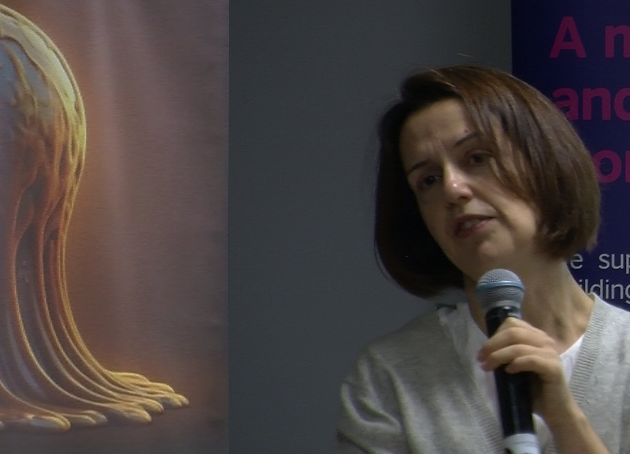
Adv. Zhulieta Mandazhieva: (Zhulieta Mandazhieva is a lawyer specializing in digital technology law and the legal regulation of digital services, big data and personal data.
Master of Laws from Queen Mary University of London “Law of Technology, Media and Telecommunications”. Member of Digital Republic, an association of internet users, authors, computer specialists and lawyers. She developed an analysis “Digital Rights in Bulgaria” for the annual report “Human Rights in Bulgaria in 2024” of the Bulgarian Helsinki Committee, and is also a member of Digital Republic.)
Digital rights are still developing and face serious dilemmas.
Main issues:
- There is a constant tension between the right to expression and the right to information (free distribution) and attempts to restrict them (downloading websites or banning films/access to films).
- Disinformation is rampant on social media, representing the opposite of the right to information. It harms public dialogue, deepens social divisions and directly affects voter turnout (example: the presidential elections in Romania, 2024).
- State inaction: there are no measures to implement the European Digital Services Act (DSA). Bulgaria is inaction in defining what constitutes “illegal content” and when it can be taken down, which each EU Member State should do for itself. Instead of adopting DSA measures, Bulgaria is trying to adopt additional restrictive provisions (e.g. a proposal for imprisonment for distributing personal information).
Key Recommendation:
It is critical that Bulgaria urgently adopts measures to implement the Digital Services Act (DSA) by amending the Electronic Communications Act to clearly define the regulatory framework and information environment in which we will live.
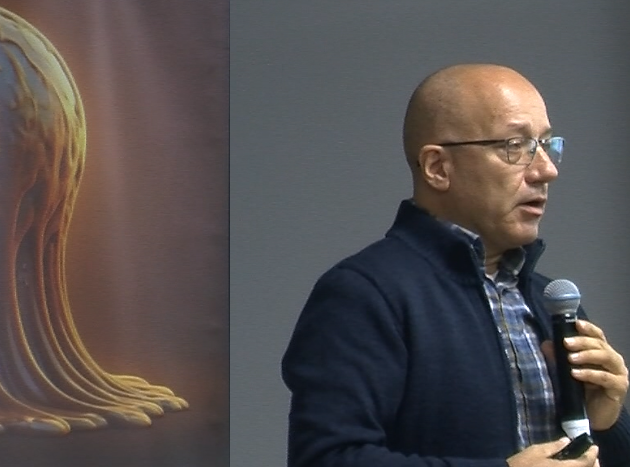
Dr. Georgi Petrov (from Forum Civic Participation, has over 20 years of experience in creating, maintaining and advocating for networks of civil society organizations. In recent years, he has worked intensively for the empowerment of citizens and more active and effective civic participation in the decision-making process, including through the use of digital tools and platforms. He defended his PhD in Public Communications and Information Sciences at Sofia University “St. Kliment Ohridski”.)
Digitization and civic participation in governance
Democratic governance is increasingly implemented through digital tools, which leads to significantly more active civic participation.
Key points:
- There are Bulgarian laws (e.g. on the municipal budget) that require consultations with citizens. With the transition of these consultations to a digital environment, citizen activity is increasing.
- There is a need for regulatory regulation of digital tools for participation. In addition, capacity building is necessary both in institutions and among citizens themselves.
- Citizen participation depends on the trust that their opinions will be taken into account. Digital platforms not only enable and channel dialogue between institutions and citizens, but also formalize communication.
In short: Digital tools increase citizen participation in democratic governance, but their full use requires clear regulation, capacity building and, most importantly, trust building.
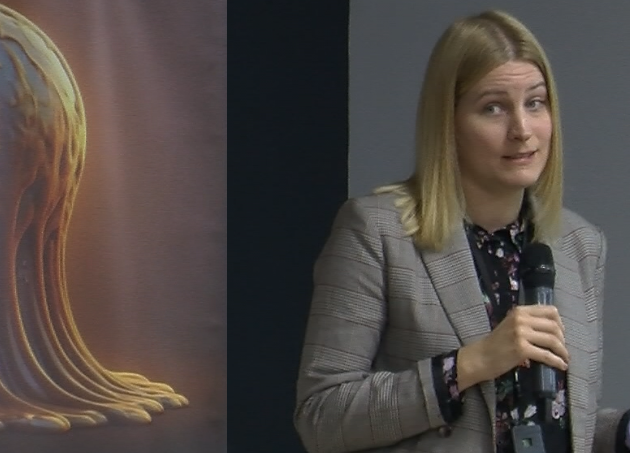
Dr. Sonia Horonziak (from the Institute of Public Affairs, Poland. Doctor of Political Science and Administration. Director of the Democracy and Civil Society Program at the Institute of Public Affairs, Poland. Lecturer at the University of Warsaw. Graduate of the Jagiellonian University in Kraków and a research fellowship program at the Technical University of Dresden, Germany. Author of many publications in the field of political polarization, democratic theory and electoral processes.)
Disinformation: A threat to European democracy
Dr. Sonia Horonziak sees disinformation as a major problem for democracy in Europe, because it leads to the polarization of society and the loss of trust in media, institutions and authorities.
Main sources of disinformation:
- Digital space (social networks, online news platforms and influencers).
- Technology (use of Bots and Artificial Intelligence (AI).
- Politicians spreading manipulative content or disinformation in their own campaigns.
Challenges and vulnerabilities:
- A survey among young people (16-29 years old) in Poland, Slovakia and Hungary shows that young people are informed mainly from social networks (Facebook, YouTube, Instagram), with traditional media absent from their list.
- There are not enough regulatory mechanisms, as companies and governments are often not interested in their introduction.
- AI is becoming the preferred source of information.
- Digital education is not a mandatory part of the curriculum. Analysis shows that 40% of children aged 13-14 in Europe lack basic digital skills.
Conclusion:
Simply raising public awareness of the threat of disinformation is not sufficient. Drawing attention to it without additional context undermines trust in all information sources. Therefore, it is crucial to educate people that reliable sources of information exist, and that uncertainty and suspicion are not the only way to approach knowledge.
For contacts:
e-mail: sonia.horonziak@isp.org.pl
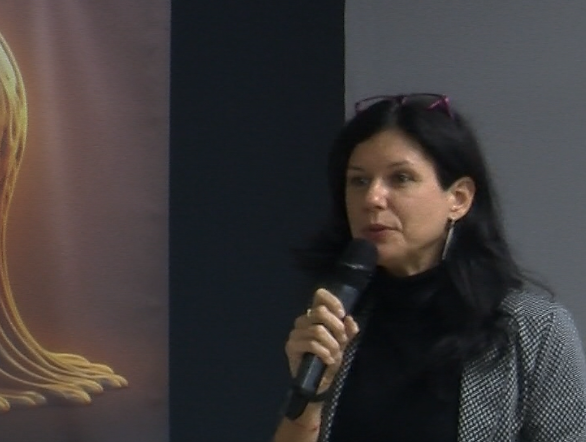
Dr. Elisa Rapetti (from Italy, representing DARE Network, PhD in Social Research Methodology and Applied Sociology. Among her other projects and collaborations as a researcher and training expert, she has been working with the DARE Network since 2019 on issues of democratic education and human rights education in the non-formal sector, focusing on how rights and pedagogical approaches are transformed within the digital transformation. She offers a gender, diversity and inclusion perspective on rights and citizenship education.)
Challenges of a transformed digital society
Dr. Elisa Rapetti believes that we are already living in a transformed digital society, especially for young people, with the current digital architecture being unbalanced and raising critical questions about trust and power in this environment.
Key messages:
- Media literacy must be structural. Media literacy training needs to move beyond focusing on individual phenomena (such as cyberbullying, hate speech and fake news) and focus on examining the structural functioning of platforms and their editorial systems.
- A change in behavior and platforms is needed. The goal is to encourage change in both interpersonal relationships and the way digital platforms themselves function.
- Ethical perspectives are key to future-oriented training. It is necessary to promote
- Priority over interests, i.e. this need for action and change must be placed as a priority that goes beyond the financial interests of companies and narrow party political agendas.
Contacts:
E: elisa.rapetti@dare-network.eu,
Linkedin (personal): https://www.linkedin.com/in/elisarapetti81/
DARE NETWORK website: https://dare-network.eu/diyw-road/
PANEL 2: Media Literacy and Disinformation
The panel focused on practical aspects of combating disinformation and harmful narratives, with a special emphasis on gender and the need for critical thinking at all ages.
Key findings and issues:
- Stereotypes (such as men being rational, women being emotional) have existed for a long time and everywhere, but today they spread much faster in the digital environment.
- Online violence against women is ubiquitous, often sexualized (including deepfake) and aimed at undermining their authority, especially when they are politically active.
- Social networks profile information, which leads to a very different information flow for girls and boys, fueling discriminatory processes.
- Harmful narratives are also spread by politicians themselves for the purpose of political delegitimization, which forces victims to invest energy in self-defense instead of working on policies.
Proposed solutions and good practices:
1/. Qualitative Countermeasures (DisinfoHack) – the analysis reveals connections between public events and narratives (e.g. dehumanization of Ukrainian women), as well as reaching out to their authors
2/. Education and critical thinking should starting with children. Media such as “Вижте“– (the news in children’s language) show that children aged 7-14 can be talked about complex issues in a humane, non-condemning and interactive way, which builds critical competences for dealing with fake news.
– Working with adults: It is emphasized that the same easy and understandable approach should be applied to adults, who also experience difficulties with the flow of information.
– Skills: It is not enough to just encounter disinformation. People need to be equipped with the skills to check it, expose it and inform about it.
3/. Authors of harmful narratives should be held accountable and punished. Media outlets that publish offensive content should be required to publish rebuttals. Solutions include legislation (such as DSA), education, and active promotion of women’s participation (such as the American University in Bulgaria’s gender research and advocacy programs).
Message from the panel:
The media can be a solution and there are good practices. It is important not to fall into extremes and distrust all sources. Serious analysis and building skills across generations are key to effective and lasting counteraction.
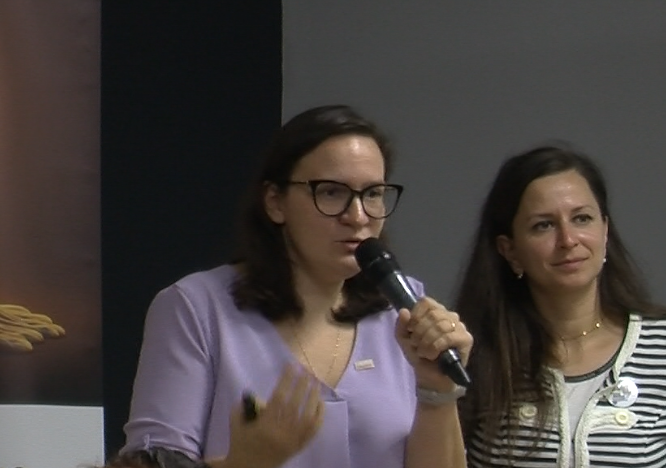
Assist. Prof. Dr. Maria Yurukova and Adriana Dikancheva (Assist. Prof. Professor Dr. Maria Yurukova is a lecturer at the Department of European Studies at Sofia University “St. Kliment Ohridki”. She holds a PhD in Political Science (Media Policy and EU Law) with a dissertation topic of “Online Disinformation: Countermeasure Strategies in the EU”.
Adriana Dikancheva (Bulgaria) is an Accreditation and Compliance Specialist at Kenes Group. She holds a Master’s degree in E-Europe from the Department of European Studies at Sofia University and is actively involved in the university’s initiatives related to combating disinformation.)
DisinfoHack 2025: A Model for Slow and Quality Countermeasures against Disinformation is an innovative initiative in Bulgaria that brings together students, businesses, analysts, universities and administration to create a working model for combating disinformation.
Key aspects:
- The initiative is called the “slow hackathon” because, unlike the rapid spread of disinformation, countering it should be slow, labor-intensive, and deliver quality information.
- DisinfoHack 2025 involved 72 students from 10 cities and several universities. Under the guidance of mentors, they conduct in-depth analysis of various situations. They establish connections between specific public events and emerging narratives in the online space.
- Among the topics analyzed are the dehumanization of the Ukrainian people in Bulgaria, the Eurozone, Bulgaria in NATO (and an analysis of the speech of US Vice President J.D. Vance in Munich. (More information about the topics is available on the initiative’s website: disinfohack.com).
- The team has created a website with resources for organizing such hackathons, as well as a platform with video lessons for improving skills.
Recommendation and future plans:
It is recommended to involve the entire environment in such initiatives (students, experts, institutions). Young people can be true innovators in the fight against disinformation. New editions are coming, including a format for students (with student mentors) and a new edition of the student hackathon.
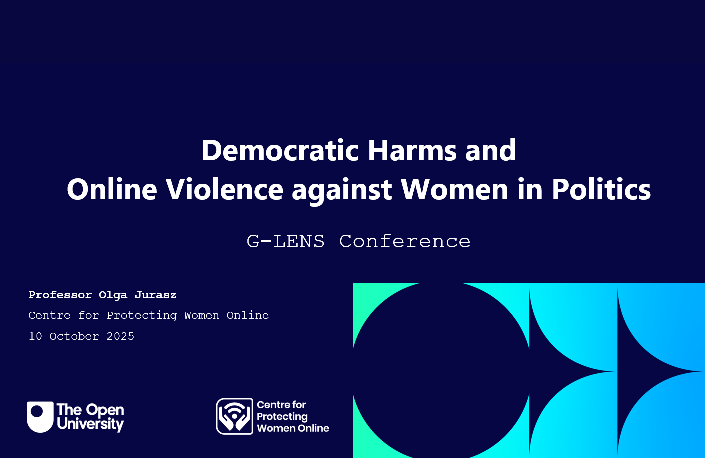
Prof. Olga Jurasz (Prof. Olga Jurasz – Director, Centre for Protecting Women Online (UK) . She is Professor of Law at the Open University and has been an independent expert on the Council of Europe Committee of Experts on Combating Violence against Women and Girls through Technology since 2024. Her research expertise is in the field of legal measures against violence against women (including online violence), international law and feminist approaches to the governance of online spaces and online safety.)
There is no country where online violence against women does not exist, and this phenomenon is ubiquitous and strongly present in politics and public life.
Nature of violence and targets:
- Although men are also subject to harassment, violence against women is different and highly sexualized. Attacks are mainly targeted at gender, appearance and privacy, while in the case of men these elements are usually absent.
- Deepfake photos with sexual content are often used content to undermine the authority and credibility of what women say, especially when they are on the verge of success.
- Attacks often escalate, including attacks on religion, origin or nationality, leading to intense hatred and gradually normalising this behaviour in the public sphere.
Reflection on democracy:
- Online violence and discrimination harm democratic foundations and have a direct impact on women’s participation in public and political life.
- A recognised problem, lack of action: A 2019 UN report lists online violence as a serious obstacle to women’s participation. Despite calls from the European Parliament and the UN, there has been no significant progress in implementing specific measures.
Example from the UK: There is a very low willingness of young women in the UK to participate in politics, which is a direct result of the problem.
Measures and solutions:
- Legislation and regulation: There should be regulation and rules to provide protection against offensive content, even when it does not constitute a crime. The Digital Services Act (DSA) of the EU is a significant effort in this direction, targeting the essence of the problem.
- Prevention and education: Measures need to be introduced to prevent harm and to promote the active and full participation of women through education.
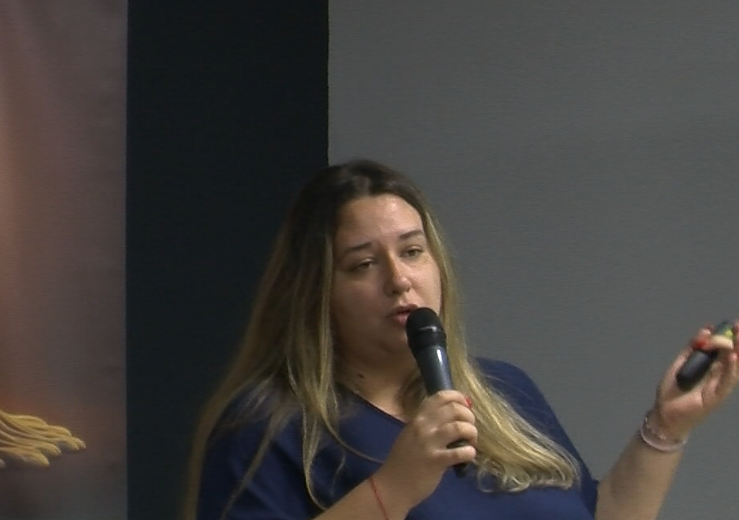
Mina Kuteva (from Sofia Development Association (Bulgaria), is a communications strategist with extensive experience in managing public communications in the non-governmental, private and public sectors. The topic of her participation is the GenderED Coalition Project – a project funded by Creative Europe, dedicated to combating gender-related disinformation and developing media and information literacy. She shares about the partnership between organizations from Bulgaria, France, Italy and Greece to the results: innovative online courses, campaigns and resources that have reached over 10 million people.)
The results of the GenderED project reveal how sexualization and the construction of gender stereotypes begin at a very early age, often through games.
Key findings:
- Gender stereotypes are universal and are observed in all nations. They are based on the claim that men are rational and women are emotional.
- The big problem is that this stereotyping is extremely strongly profiled on social networks. As a result, girls and boys receive a very different flow of information. This profiled flow of information sets and fuels discriminatory processes.
Solutions and recommendations:
- The conversation needs to focus on how to make the media environment fair for both genders.
- The work of the GenderED project shows that providing information in an interactive way achieves information without being judgmental.
- The team provides an open platform to connect people working on the topic and access to free training tools for tackling gender-based misinformation, available at: https://www.genderedcoalition.net/.
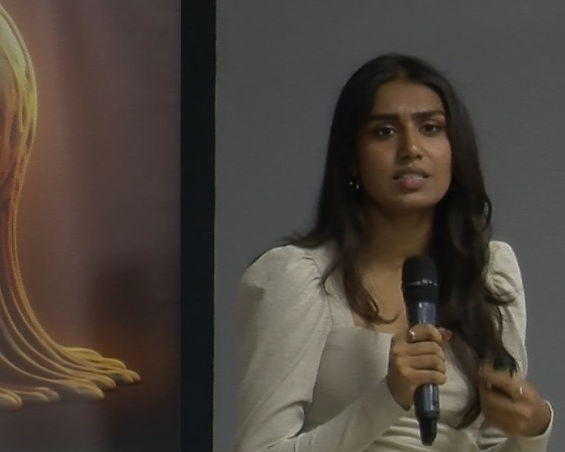
Anjali Avatapalli (Disinformation Analyst & Presidential Fellow, CIDC at AUBG (Bulgaria), majored in Information Systems and Journalism and Mass Communication, with a second major in Integrated Marketing Communications.)
We heard analyses of harmful disinformation narratives targeting women in the Balkans, examining their intent, societal impact, and the ways in which they undermine women’s roles in the region.
Briefly about the mechanisms and goals of these narratives:
- Political delegitimization: Personal attacks, family histories, or past events (case studies from Albania and Serbia) are used to intimidate politically active women. The goal is usually to force women to put all their energy into self-defense instead of working on policies.
- Deepening exclusion and eliminating solidarity: through the dehumanization of foreign women, especially Ukrainian women after the attack on Ukraine, through gender-based narratives (“they came to use our men”, “to steal our jobs”). The consequences of this are hostility, fear of speaking out (self-censorship, especially among female journalists) and normalization of harmful practices
- Patriarchy and “Traditional Norms”: The desire to keep women in patriarchal models, depriving them of the right to act. This is hidden behind concepts such as “traditional norms” and the “traditional family”.
- Polarization of society: exploiting vulnerabilities along the gender divide in order to sow division within society itself.
The role of the media and the economy:
- They are perpetrators (through sensational headlines maximizing click profits) and at the same time are called upon to repair the damage.
- However, there is a lack of accountability for the spread of hate speech. It is recommended that media outlets that publish harmful content have an obligation to publish a rebuttal or corrections for the harm caused.
- The place of the young: the younger generation is more vulnerable to gender-based discrimination, but is also in a strong position to fight back due to their technological skills.
Need: To address the problem, a combination of:
- Media literacy.
- Critical dialogue.
- Advocacy: Building personal identity and seeking connections between issues (against stereotyping by gender, nationality, religion).
Initiative: The Center for Information, Democracy and Citizenship at the American University in Bulgaria (AUBG) promotes this critical dialogue through its gender research and advocacy programs.
For contacts:
E: aavatapalli@aubg.edu
Web: https://www.aubg.edu/center-for-information-democracy-and-citizenship-cidc/?region=bulgaria
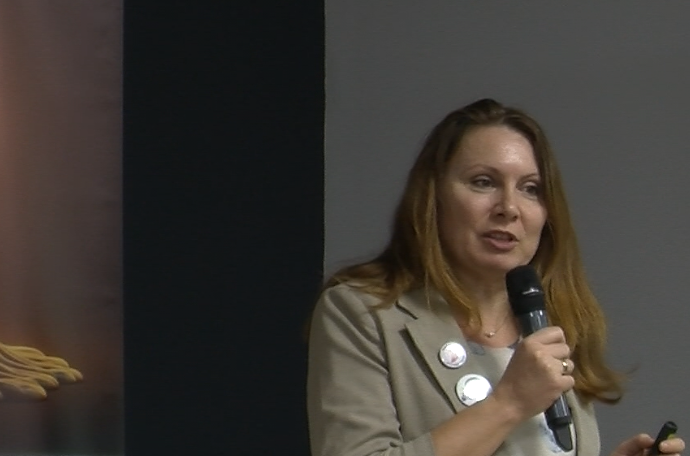
Iskra Dzhanabetska (from the educational platform Knigovishte (Bulgaria), whose mission is to help every Bulgarian child discover the pleasure of reading, learn to better understand what they read, and build a lasting desire for knowledge and curiosity about the world. Part of the platform is also “Vizhte: the news in children’s language” – the first site in Bulgaria with news for children, written especially for them by professional journalists.)
The last panelist presented the initiative “Knigovishte” ( https://www.knigovishte.bg/ ) and the media “Vizhte – the news in children’s language” ( https://www.knigovishte.bg/vijte ) as a response to the low levels of competence and knowledge of world problems among Bulgarian youth, reported by the PISA studies.
The problem they address is the age for the formation of stereotypes between 3 and 6 years. And low levels of knowledge lead to an inability to cope with the challenges of the modern global world. The solution they offer is the media “See – the news in children’s language”, where journalists tell about what is happening in the world today to children aged 7–14.
What is the success of their model?
- It has been established that children like to know and understand. They learn this way by developing a love of reading and thinking.
- Many adults also read the materials, especially those on media literacy, since they themselves have difficulty navigating the flows of information. The materials that the platform provides help teachers and adults to explain in an easy way otherwise difficult to understand problems.
- The editors’ approach is humane. People (and children) should not feel guilty for not knowing. Through specific texts, the media helps children understand why they are confused, thus developing their competences to cope on their own and to catch fake news.
- Through gamification of reading and inter-school competitions, a positive approach to learning is encouraged.
In short: The media “Look” provides an accessible and ethical model for developing critical thinking and media literacy from an early age, thus counteracting the negative trends identified by PISA.
Panel 3: Youth on social Media – psychological resilience and protection
The panel explores the deep psychological aspects of digital citizenship, focusing on cyberbullying, value formation and the impact of social media on young people.
Key messages:
- Cyberbullying and emotional resilience: The number of reports of cyberbullying is increasing (especially by and for girls). The problem is hate speech and the lack of response skills. Children need to be taught to be emotionally strong, with the most effective prevention model being “peers educating peers”, supported by enhanced civic education.
- Precise intervention: It is critical to distinguish between aggression, violence and bullying (which is intentional and occurs when there is an imbalance of power). Punishing the aggressor in a school environment can backfire. Effective intervention requires working with group dynamics and understanding the situation from the perspective of the victim, the aggressor and the class.
- Body Shaming and psychological risks: Social media and the beauty industry instill online body shaming, leading to marginalization, depression, and sometimes suicide. Activist movements are countering this by providing micro-learning and providing guidance and support.
Psychological protection for young people requires a comprehensive approach, including precision in definitions, emotional training, and education (civic and digital literacy). Interventions must be sensitive and appropriate to prevent further harm.
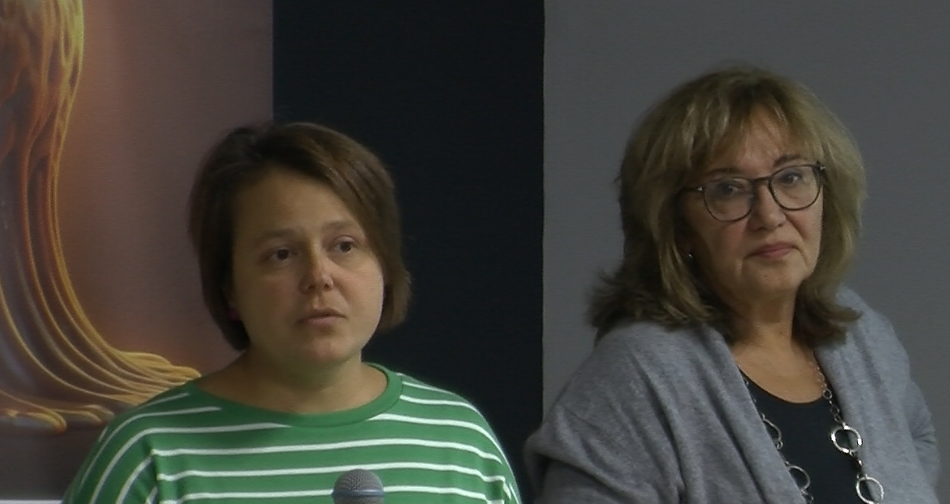
Parents Association, Bulgarian Association for Family Planning and Sexual Health (BASP) and National Network for Children (NMD)
Present the activities of the National Center for Safer Internet (NCSI), as a key structure in Bulgaria for dealing with the psychological impact of the digital world, cyberbullying and illegal content online.
- The center maintains a Consultative Line (with psychologists) and a Hotline for reporting illegal content.
- The team is made up of psychologists with technical literacy, supported by young people who monitor current trends.
- Today, many more signals from and about girls are registered.
Prevention and education
- Prevention work is aimed at children, teachers and parents.
- The problem is not in the online games or social networks themselves, but in the way children communicate (hate speech) and the lack of response skills.
- Children must be taught to be emotionally strong and to realize that online behavior reflects in the offline environment.
- “A Safer Internet” Handbook has been created. According to the team, the most effective model is “peers educating peers”, but it is necessary to work with the entire environment – journalists, parents and business.
Challenges
- In Bulgaria, not only digital literacy is lagging behind, but also civic education, as the two are strongly intertwined.
- Funding: Unlike countries like Germany (with 4 similar centers), the functioning of the Center in Bulgaria is difficult and depends on 50% funding from the EU and constant search for support from multiple sources.
Contacts:
National Center for Safer Internet: https://www.safenet.bg/en/
Parents Association: https://roditeli.org/
Bulgarian Association for Family Planning and Sexual Health (BASP): https://bfpa.bg/en/
National Network for Children (NMD): https://nmd.bg/en/
Useful resources to share: videos made on real cases by the National Safer Internet Line, project Digital kids
Prof. Malgorzata Wojcik (from SWPS University (Poland) is the Head of the Bullying Research Center (BRC) at SWPS University, where she leads a team of researchers who design programs and develop systems that promote a positive school climate and prevent bullying. Recently, she has been working on the implementation of the RESQL program – an innovative tool that helps monitor, detect and prevent bullying in primary and secondary schools.)
Prof. Wojcik emphasizes the critical need to accurately distinguish between the terms aggression, violence and bullying in order to develop adequate prevention and intervention measures.
Online and Offline Interconnection:
- Young people in high schools do not distinguish between their online and offline lives. Their offline lives are strongly shaped by cyberbullying, cyberaggression and cyberbullying.
- Cyberbullying is different from bullying at school, but in both cases the victim is excluded from the group.
Risks of intervention:
- Identifying and punishing the aggressor in a school context can have the opposite effect: escalating tensions, making the aggressor more popular and leading to class retaliation against the victim.
- Our actions can do more harm than good.
- Recommendations from the Polish model: In order to help and protect young people, it is crucial to work with group dynamics and understand the phenomenon as a game of dominance.
The Center for Bullying Research in Poland implements a model in which an anonymous reporting system is created. A psychologist visits the school and works with a teacher to clarify the situation and plan an adequate intervention. - Empathy and adequacy: in prevention, it is important to know how the victim, the aggressor and the whole class see the situation so that the intervention can be as adequate as possible.
*Useful materials on the topic from Prof. Voynchik:
Downward spiral of Bullying (4)
Frenemy A new addition to the bullying circle
Parallel culture of bullying (3)
Contacts: mgolonka-wojcik@swps.edu.pl
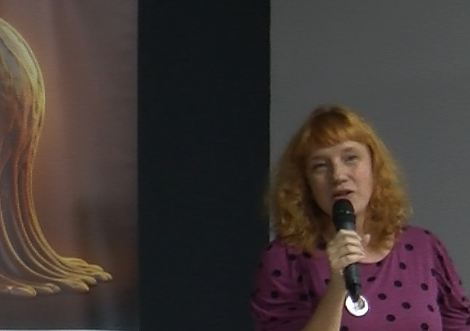
Kamila Lenczewska (from Poland, is a learning space creator and board leader of the Center for Intercultural Initiatives Horizons. Civic activist for human rights and gender equality. One of the founders of the online campaign Body Liberation, which works against harmful narratives about body shapes, sizes and appearance and addresses discrimination – especially the ways in which women are marginalized because of their bodies.)
The last panelist presented a movement created by activists focused on tackling online body shaming.
The problem, she said, is marginalization and psychological impact on girls and women. Discrimination based on appearance is increasingly instilled today by social networks and the beauty industry.
The issue is not about healthy weight, but about marginalizing and excluding people because of their weight and appearance.
The problem is serious, as it leads to severe psychological consequences such as anorexia, depression and suicide due to deviations from the imposed beauty standards.
Actions and resources
- Approach: The network starts with micro-trainings and direct work with young people, who also help in building the messages themselves so that they are relevant to their peers.
- Available are:
– A manual for young people and trainers with specific examples.
– Possibility to report and seek support.
– Guidelines on where to find additional information on the topic.
In short: The initiative aims to counteract harmful standards imposed online by providing tools, training and support to young people to fight against appearance-related discrimination.
Contact: https://bodyliberation.eu/
Video record from the Conference:
The conference is realized with the support of: program CERV of European commission, Sofia Municipality, RIM Sofia, National Commission for Combating Human Trafficking and British Council in Bulgaria.
Funded by the European Union. Views and opinions expressed are however those of the authors only and do not necessarily reflect those of the European Union or the European Education and Culture Executive Agency (EACEA). Neither the European Union nor EACEA can be held responsible for them.

