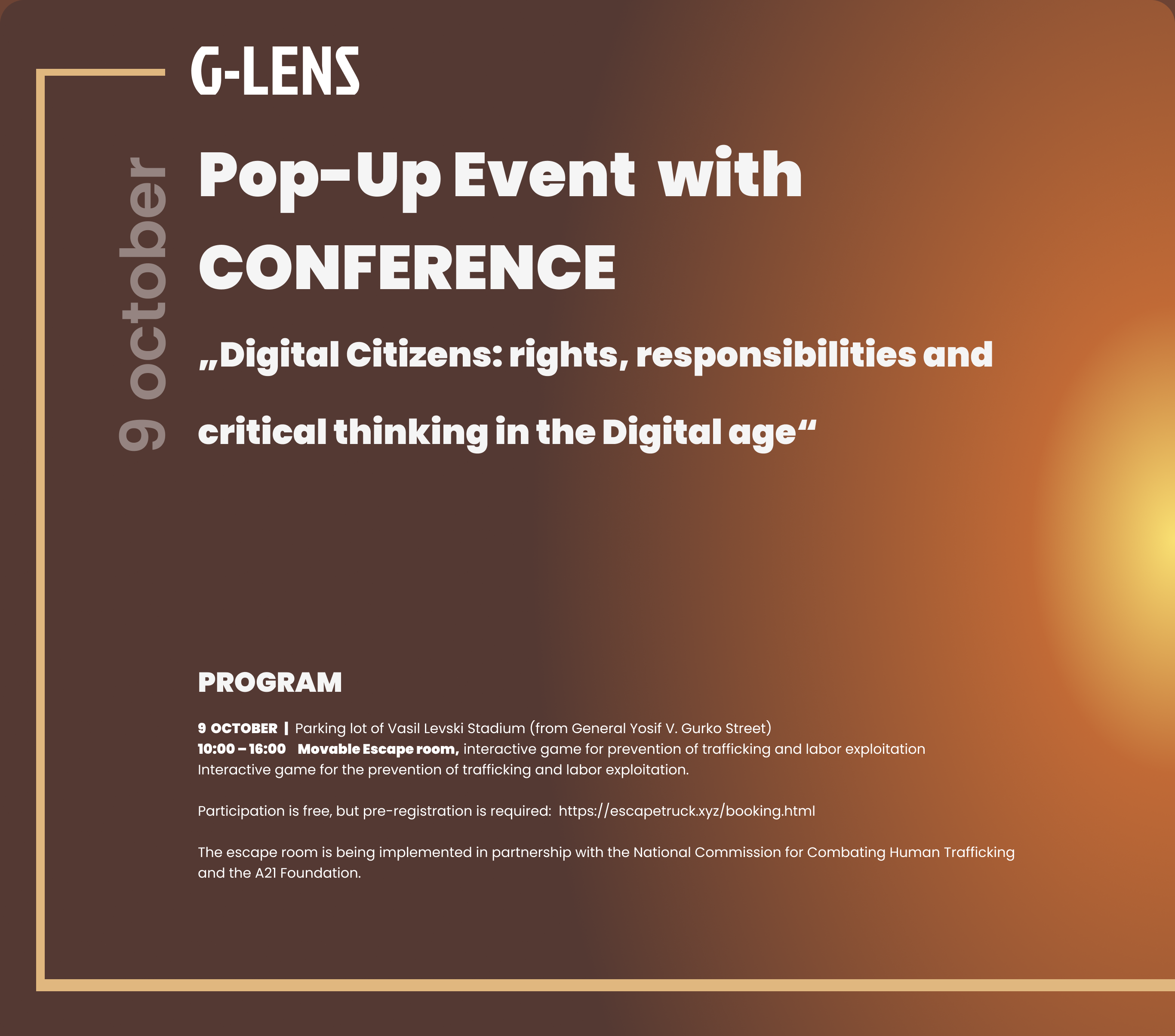
Pop-Up Event with CONFERENCE

“Digital citizens: rights, responsibilities and critical thinking in the digital age”

You are invited, dear academics, researchers, practitioners, journalists and citizens, to exchange ideas, views and good practices for prevention (in education, working with the public sector, civil society and the media) to tackle gender-based disinformation. This event will provide you with an opportunity to renew old acquaintances, make new contacts, build networks and facilitate partnerships across borders.

The G-LENS (Gender-Inclusive, Long-lasting and Empowered Networks and Societies) project, co-funded by the EU CERV programme, includes research, education and advocacy, with the aim of empowering young people to create a more inclusive and democratic digital environment. The conference is hosted by the Bulgarian partner OPEN SPACE Foundation, a non-governmental organization dedicated to building an inclusive society through education and active civic participation. We believe that young people are the driving force for change, and our main mission is to empower them to be responsible and engaged citizens.


WHAT DID WE LEARN?

DAY 1: Disinformation and human trafficking

The vulnerability of youth

Disinformation and human trafficking, especially when targeting young people, often go hand in hand. Digital platforms can be used by criminal networks to recruit victims, and disinformation can undermine critical thinking and make people more vulnerable to exploitation and manipulative practices.


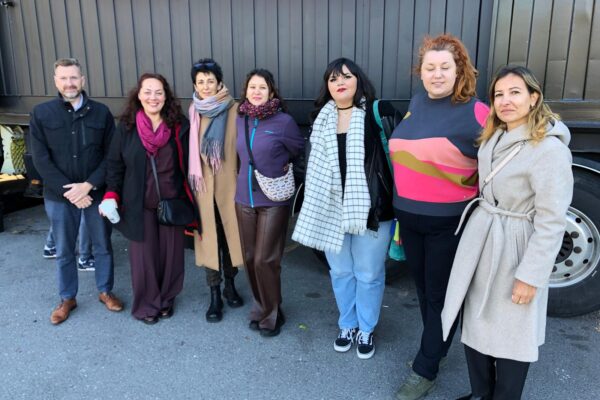
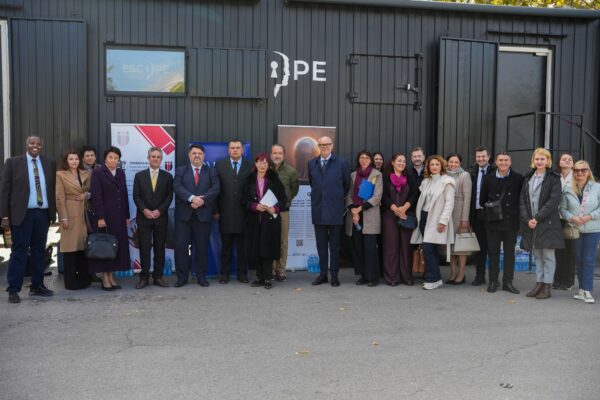
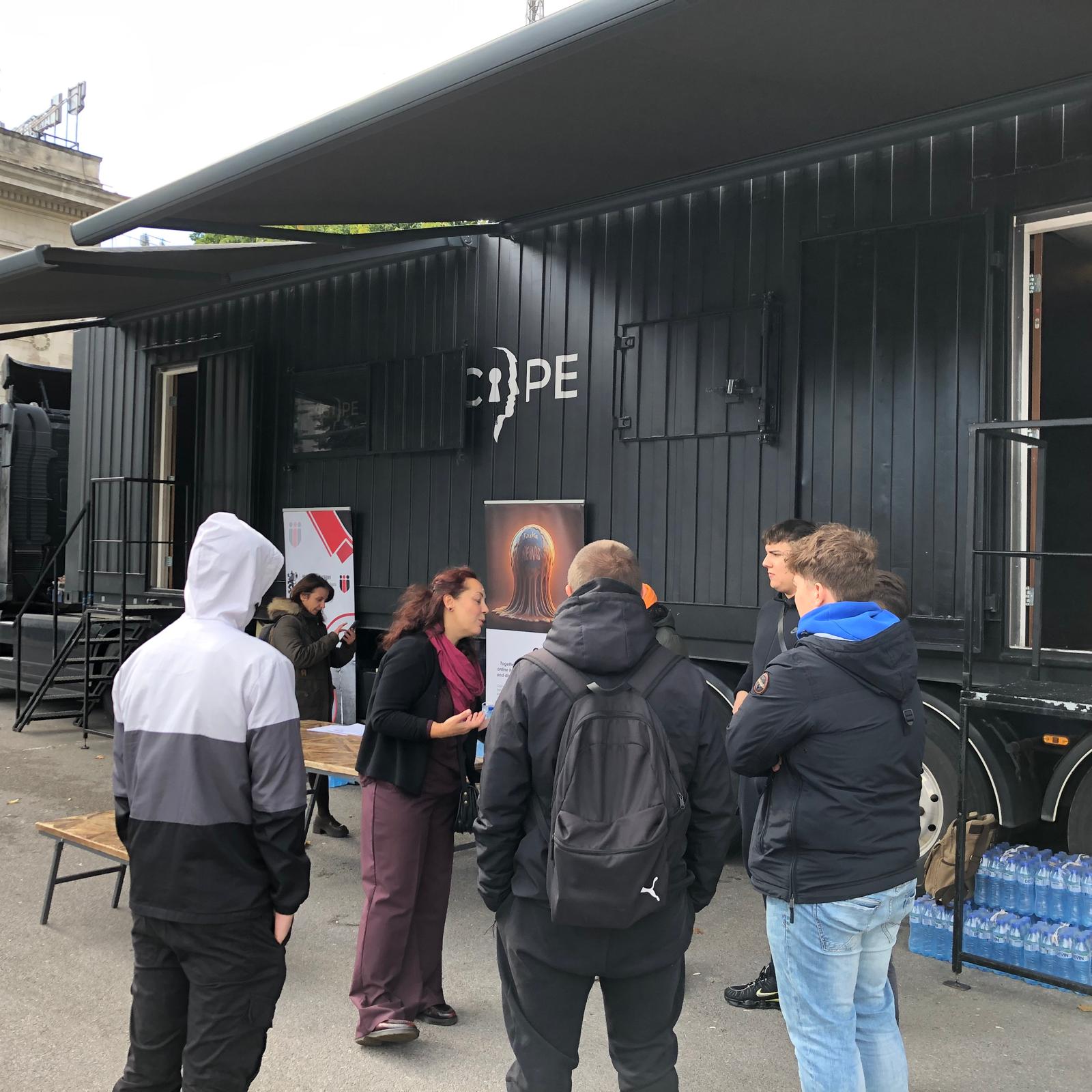
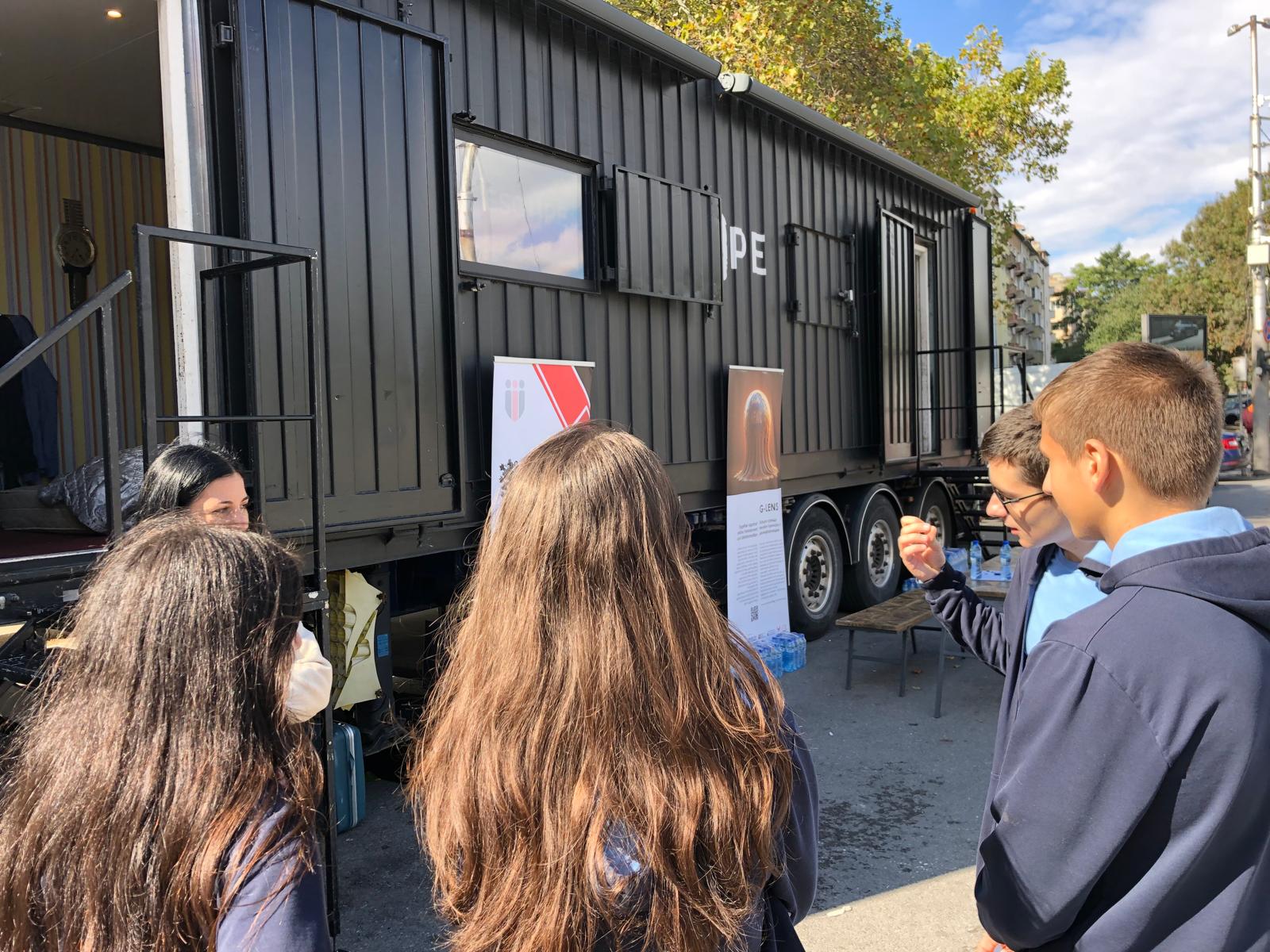
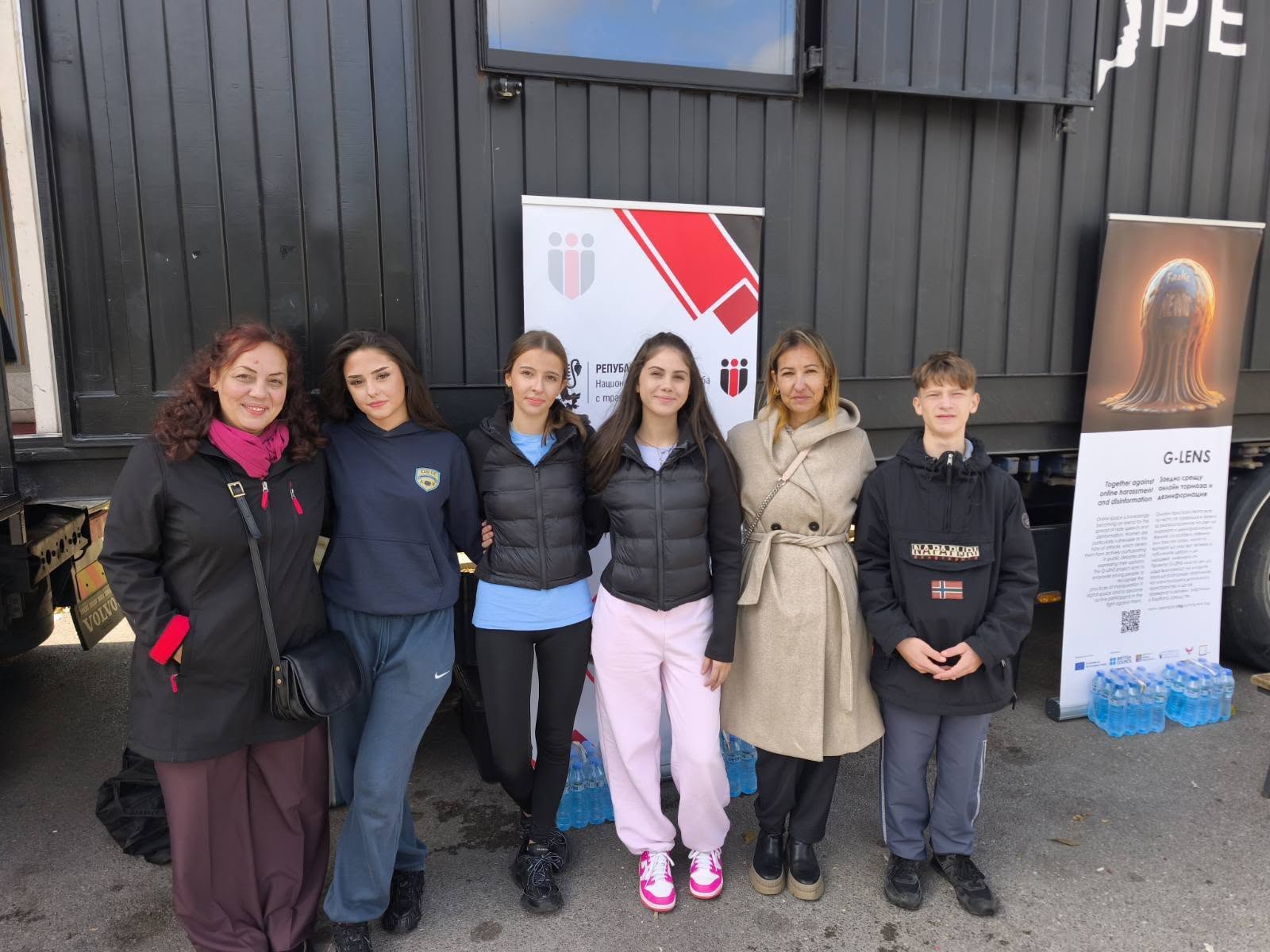
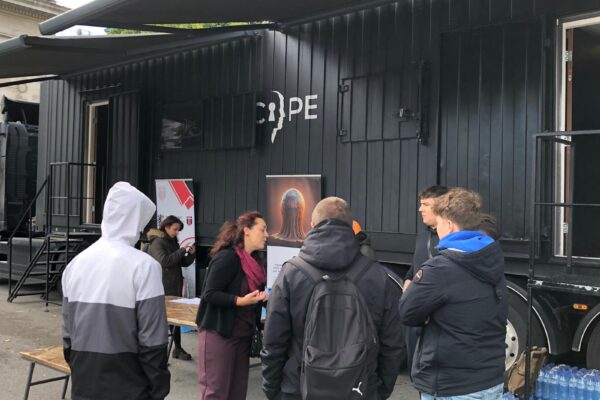
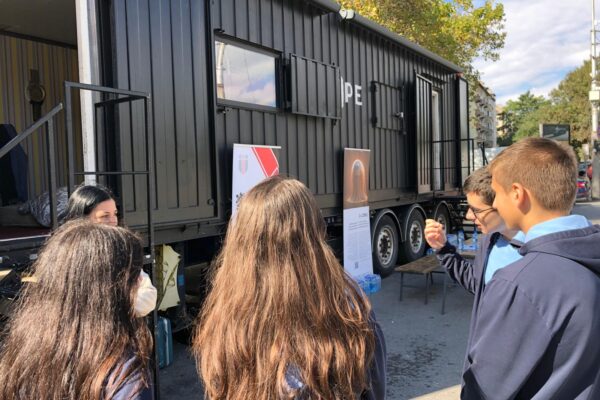
ESCAPE TRUCK (From gamification to prevention) opening our EXPO of educational tools for digital culture and media literacy

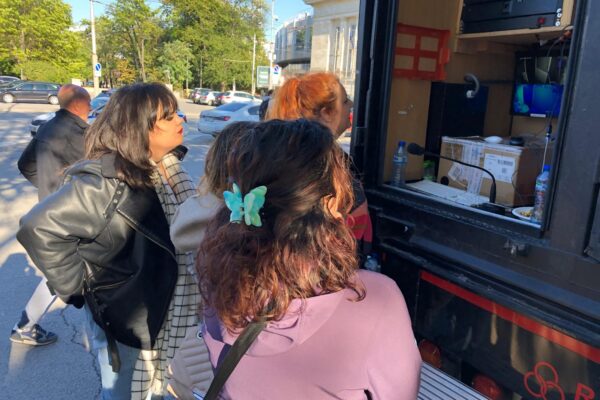
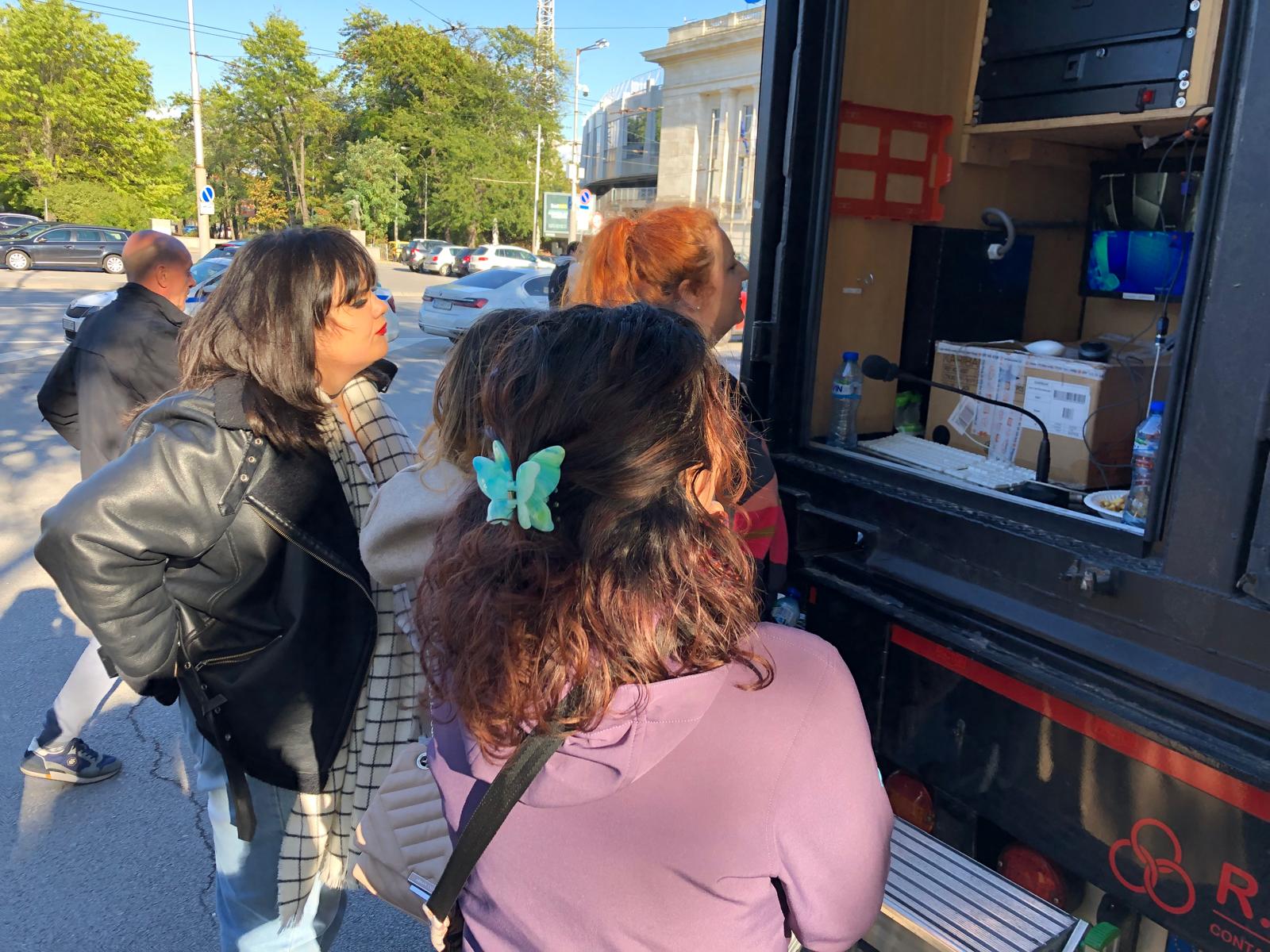
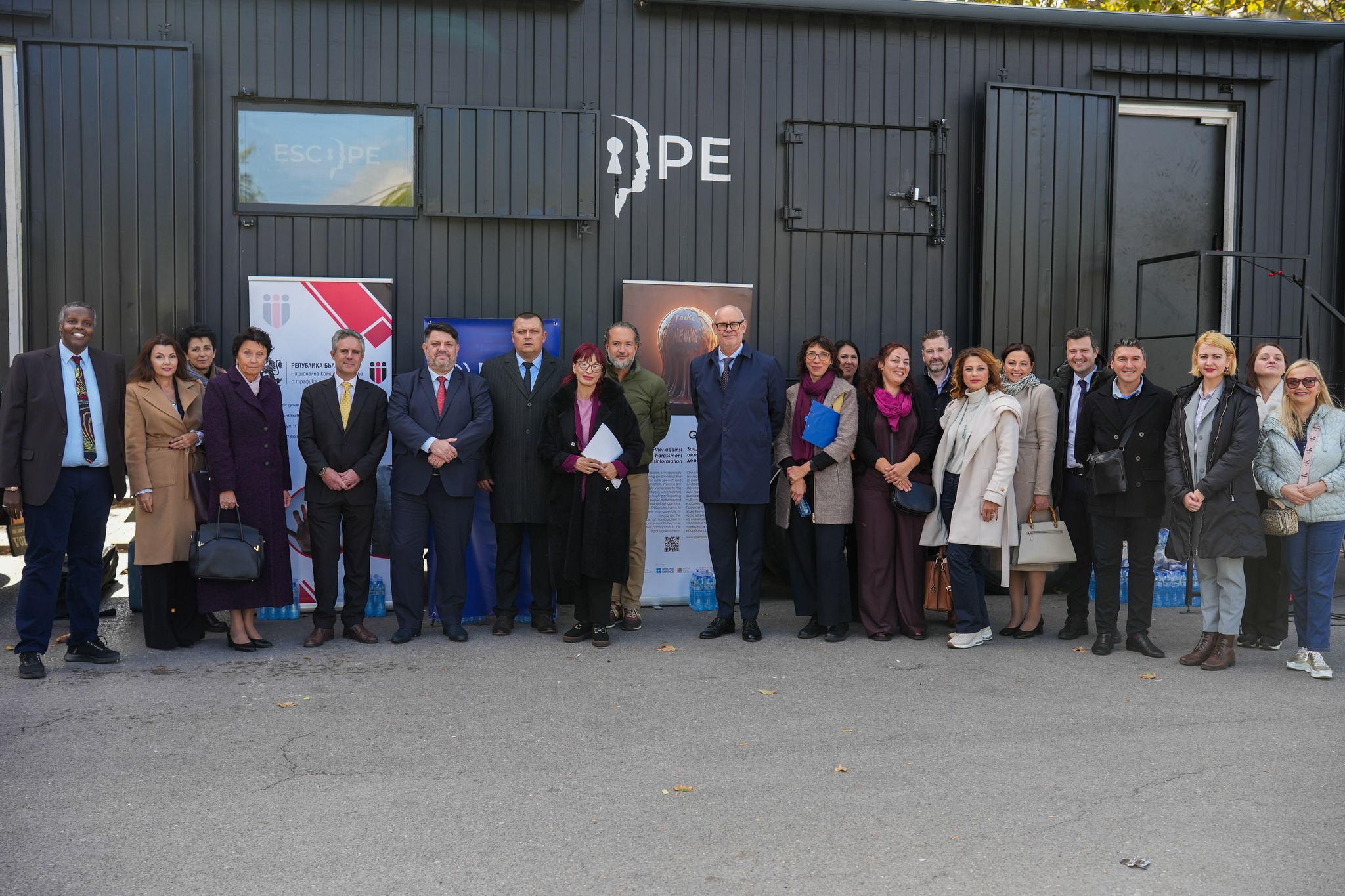
The mobile ESCAPE room (Escape Truck) was one of the most attractive and effective tools presented at the exhibition for the development of media literacy and digital culture, held within the framework of the Pop-up event “Digital Citizens”.

The initiative, created by the Dutch Reshape Foundation (with the support of the Dutch police), is a great example of an innovative approach in education and prevention:

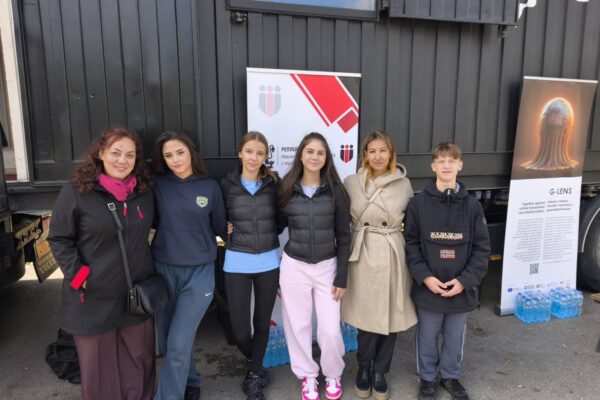
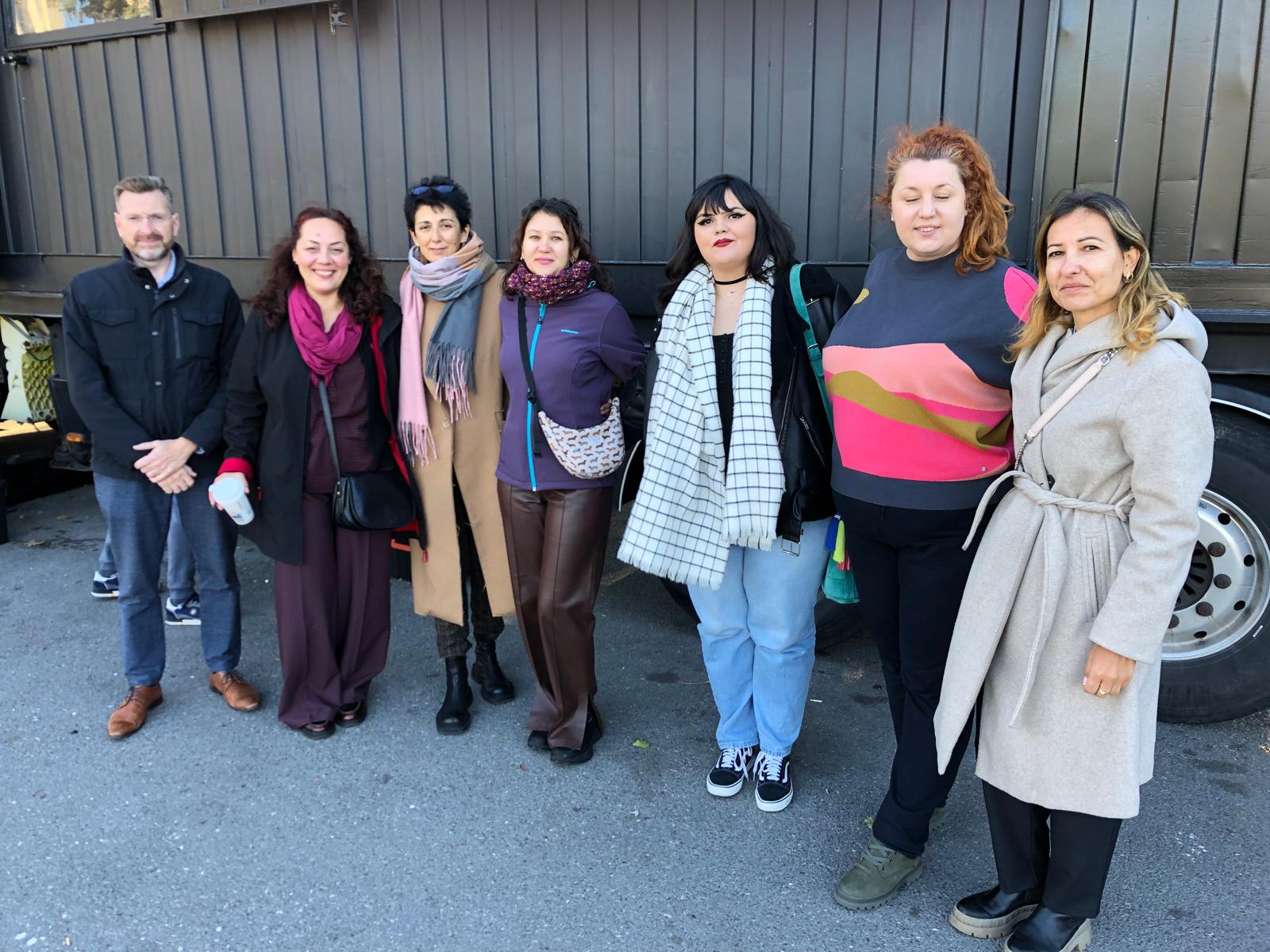
  • The mobile escape room was visited by 75 people participated – schoolchildren, students, representatives of local communities and institutions.
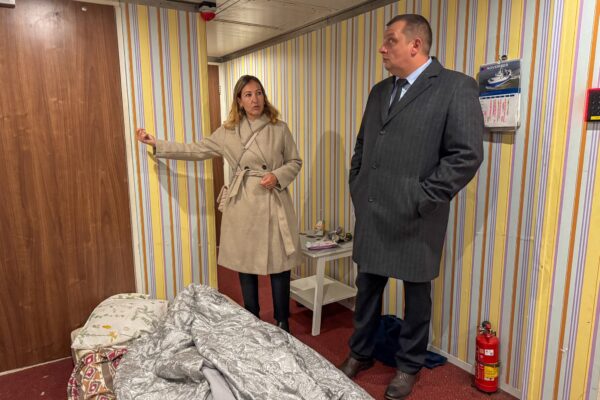
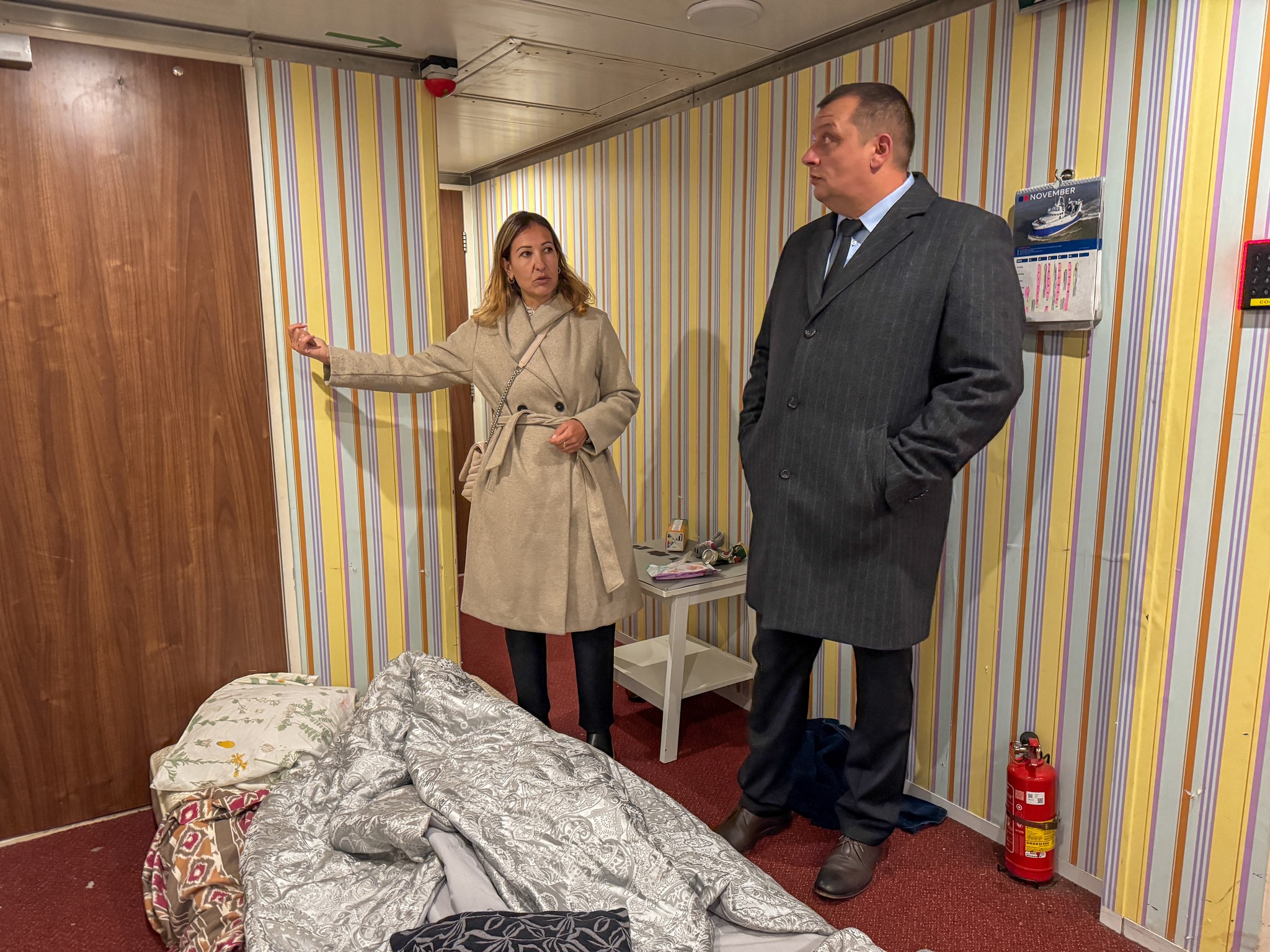
  • Through an experience inspired by true stories of victims of human trafficking, participants had the opportunity to feel the real risks of exploitation and understand how difficult it is to escape from it.

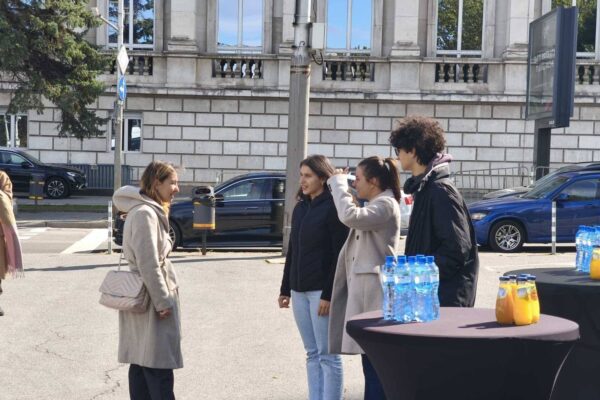
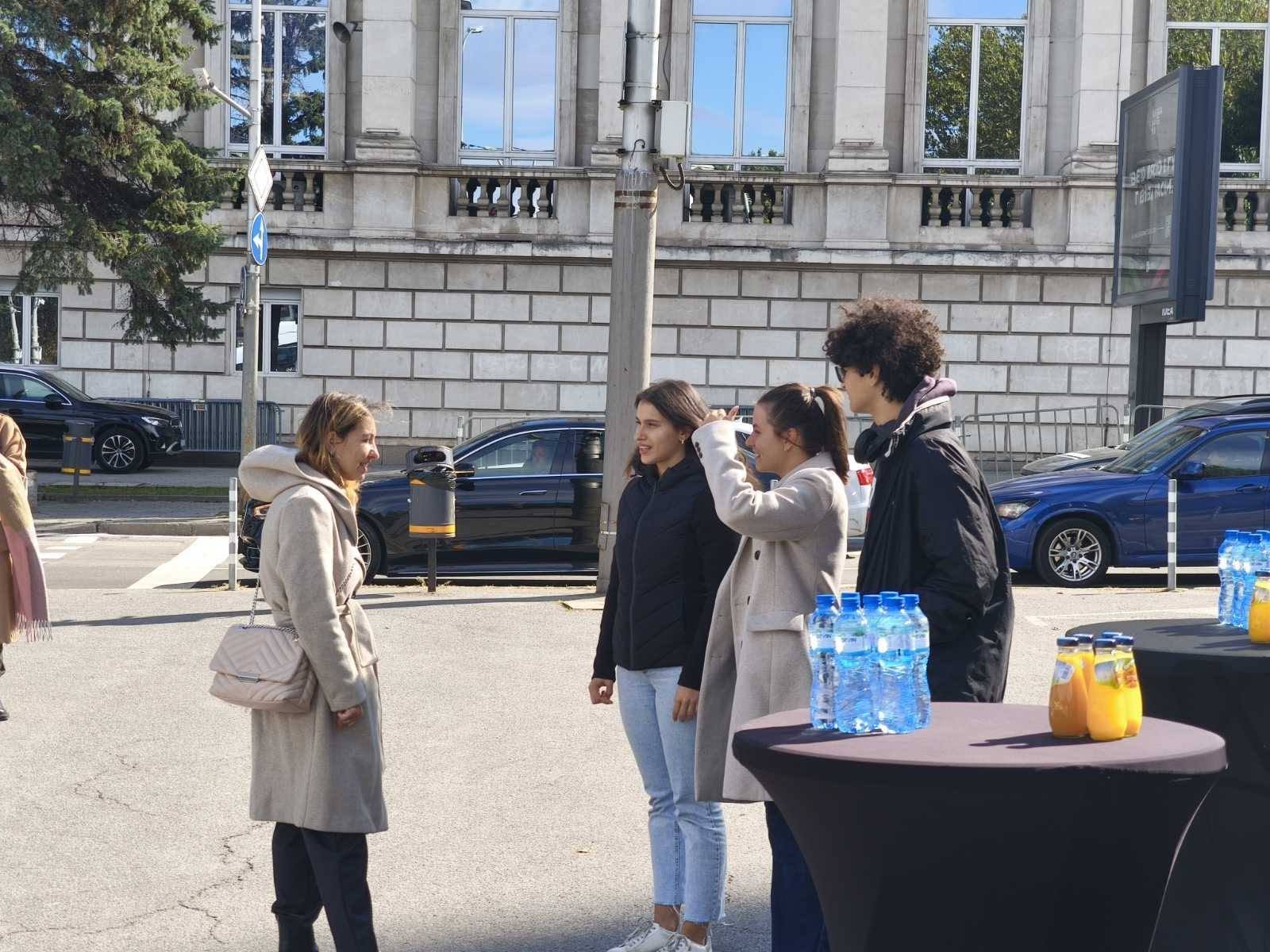
The event on October 9 in Sofia united the efforts of the partners towards informing and empowering young people regarding digital literacy and manipulative practices, disinformation and the risks of involvement in trafficking and exploitation. (The ESCAPE room comes in Sofia after visited 11 cities in Bulgaria with 13 events, in which over 1,200 people participated).

  • While the conference on October 10th brings together academics, researchers, journalists and citizens to exchange ideas and good practices to combat gender-based disinformation, ESCAPE TRUCK demonstrates how we can reach young people in an unconventional and impactful way.
  • The Reshape initiative is a great example of how innovative approaches can be used for educational purposes to prevent the most serious threats that young people face in the digital space today.
DAY 2: INTERNATIONAL CONFERENCE AND PRESENTATION

What did we learn from our conversations with experts?

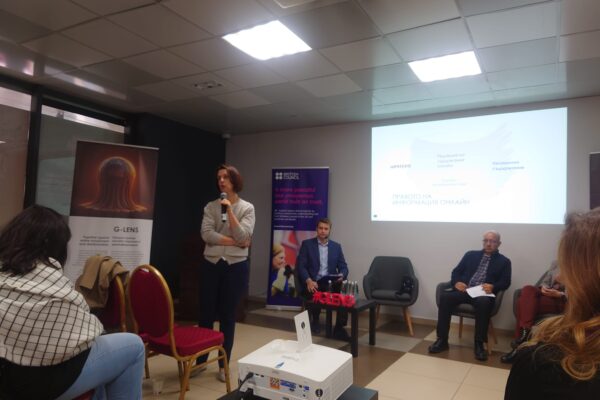
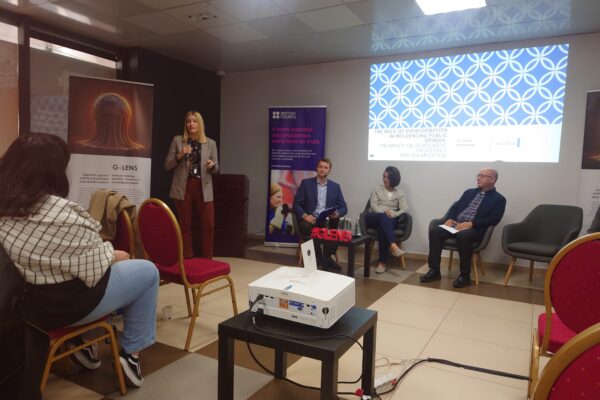
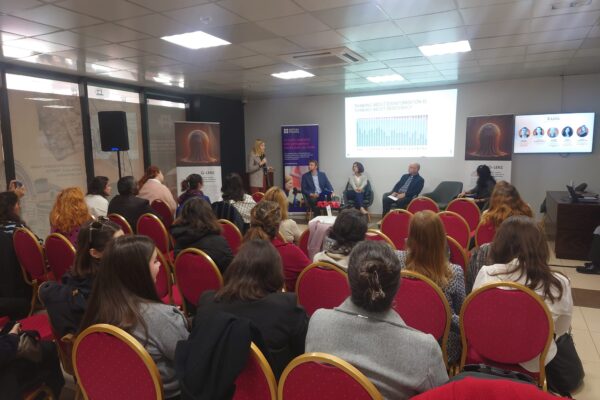
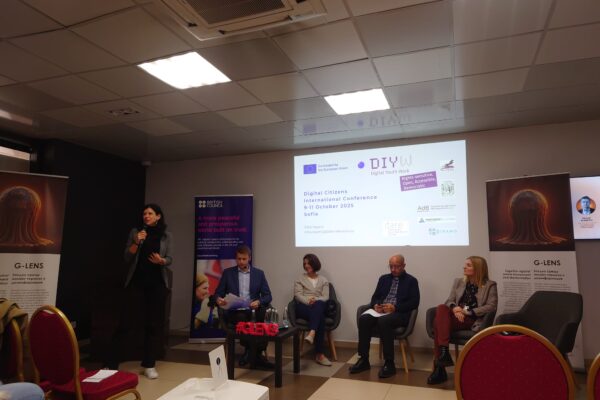
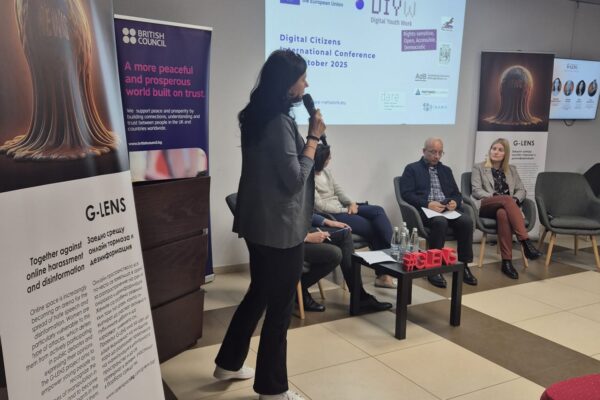
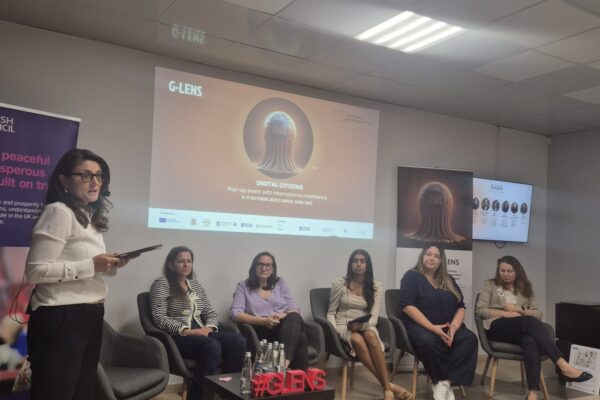
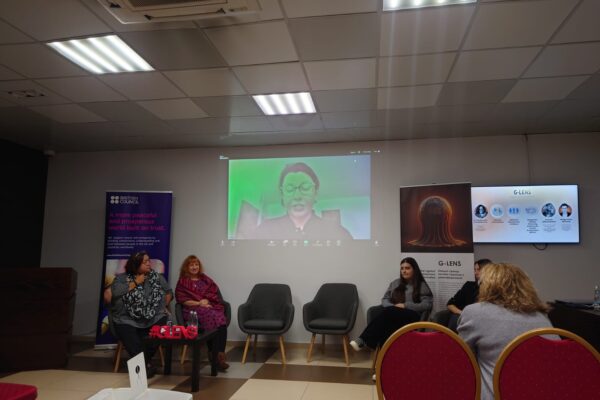
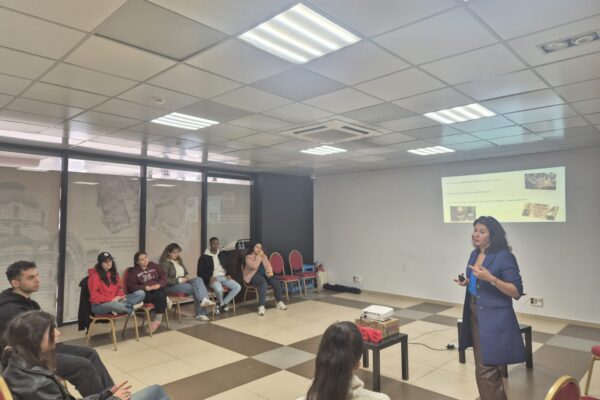
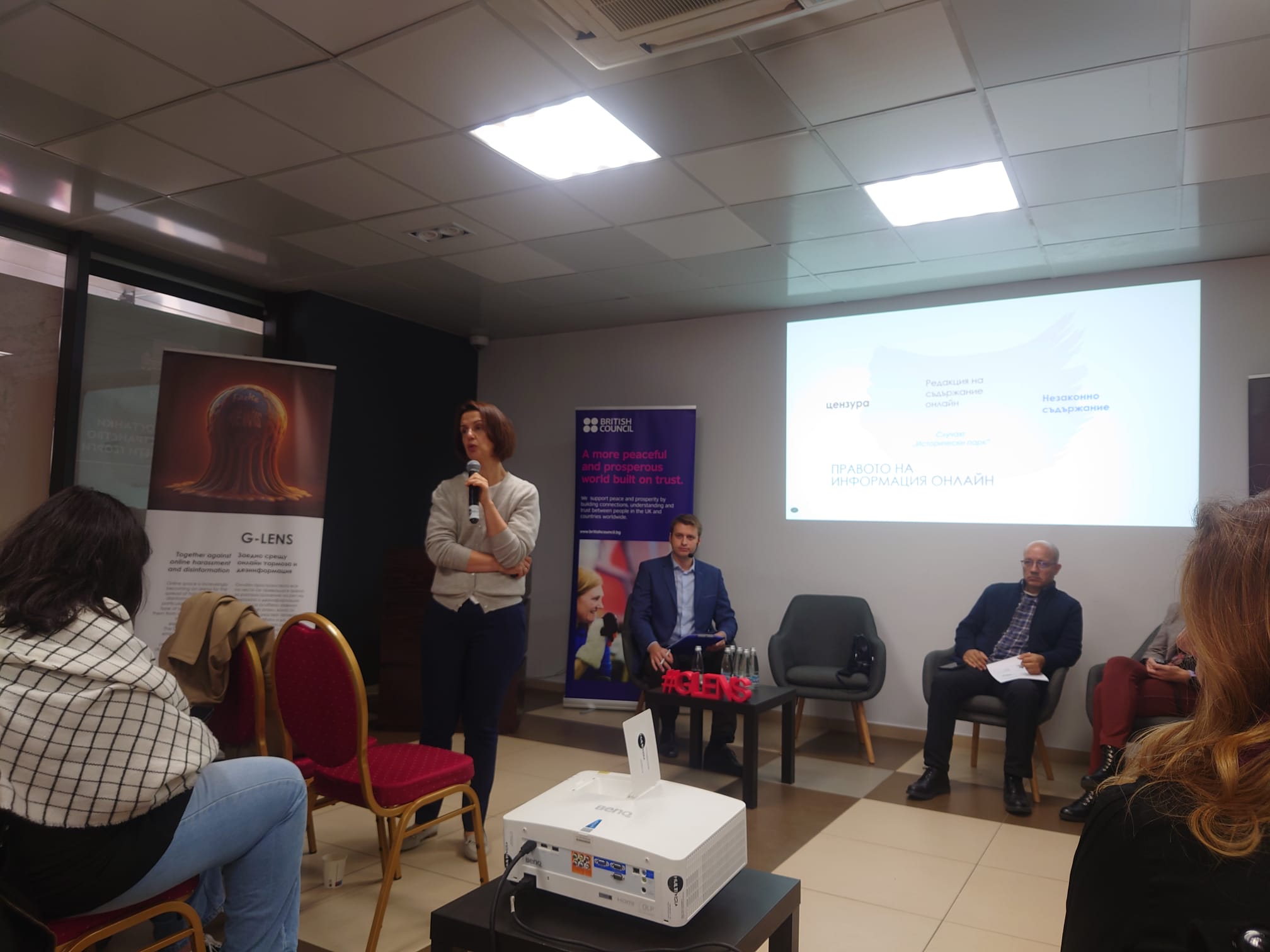
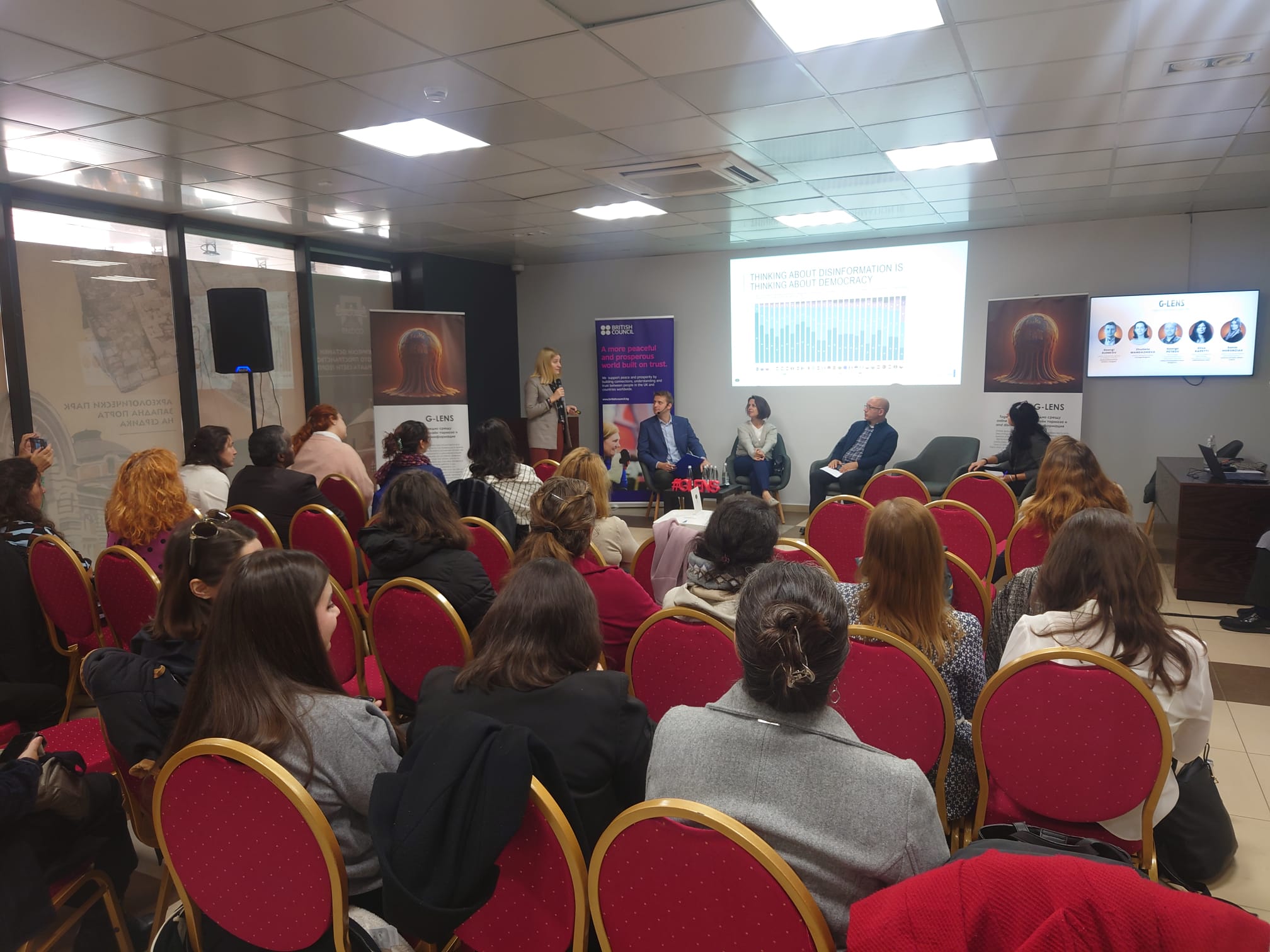
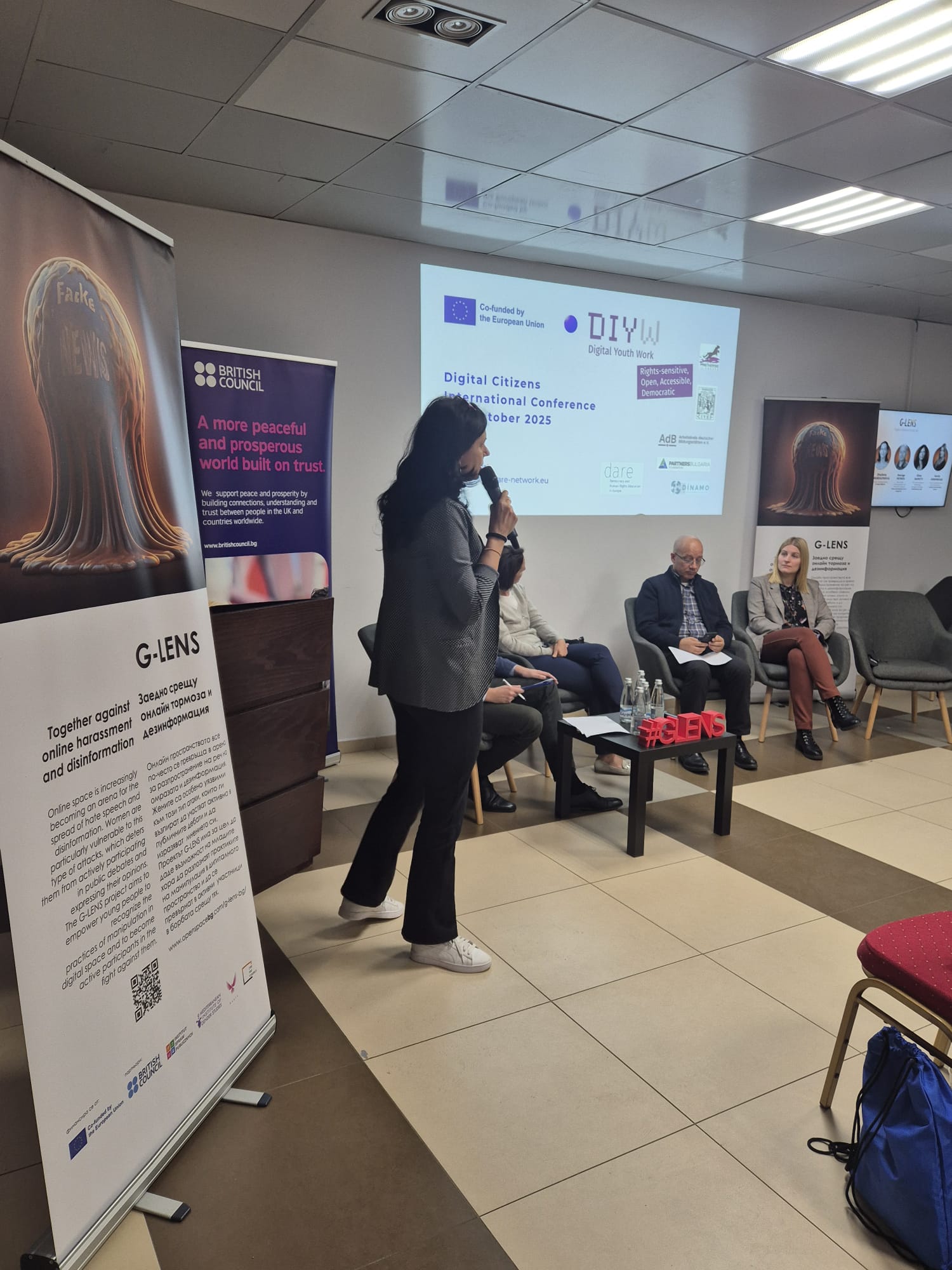
The Digital Citizens Conference explores digital citizenship, its relationship with rights and responsibilities in the online space, as well as the psychological impact of the digital environment on young people.

Panel 1: Digital Citizenship and Rights in the Digital Age

The panel focuses on the regulatory crisis and the need for trust:

  • Bulgaria is inactive in implementing the European Digital Services Act (DSA). Urgent regulatory regulation of digital tools is needed.
  • Disinformation is a major problem for democracy, leading to polarization and loss of trust. Young people are vulnerable, as they get their information from profiled social networks.
  • Key call: Media literacy must become structural – teaching people to understand the functioning of platforms and to seek ethical perspectives that go beyond financial interests.

Panel 2: Combating Disinformation and Gender Stereotypes

The panel presented practical models for countering harmful gender-based narratives:

  • Sexualization and discrimination: Online violence against women is pervasive, sexualized and politically motivated (for delegitimization). Social networks profile information, fueling discrimination.
  • Innovative models for countering:
    • Slow Hackathon” (DisinfoHack): Demonstrates the need for slow, in-depth and cross-sectoral analysis of disinformation.
    • Vijte” Media: Presents a model for building critical competences in children through a humane and understandable approach to the news.
    • Responsibility: The media has a dual role – they can be perpetrators (through sensationalism), but they are also called to repair the damage. Legislation is needed that requires refutations and accountability from the authors.

Panel 3: Young People on Social Media and Psychological Impact

The panel focused on psychological protection and the need for precise intervention:

  • Emotional resilience: The Safer Internet Center in Bulgaria emphasized that children need to be taught emotional strength and to realize that their online behavior is part of offline life.
  • Precision in definitions: Experts insist on a precise distinction between aggression, violence and bullying, as the wrong intervention in school dynamics can harm the victim more.
  • The psychological burden of Body Shaming leads to the instillation of online shame about body shape, which leads to severe psychological consequences, including suicide. Activist movements work to marginalize exclusion through training and resources.
  • General appeal: It is critical to invest in civic and digital education, using working models (“peers teach peers”) and applying an adequate, non-reproachful approach to all ages.

The conference clearly outlined that transforming citizens into responsible and full digital participants requires a comprehensive approach, including urgent regulatory reform, structural education focused on critical thinking and ethics, and psychological support to address the rapid spread of disinformation, harassment, and stereotypes that undermine democratic foundations.


You can download the presentations from here: EXPERTS SPEAK

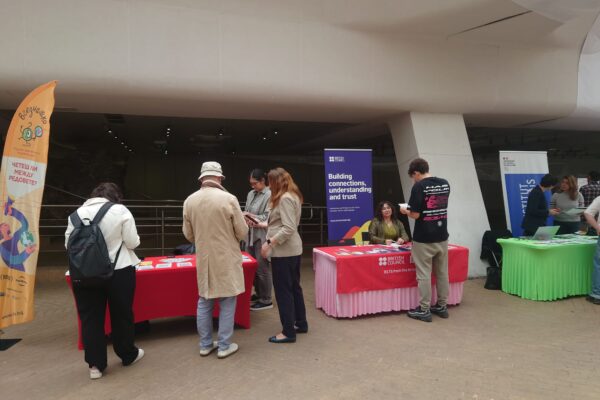
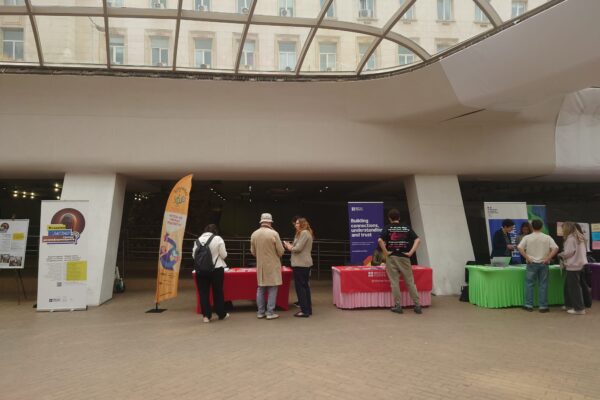
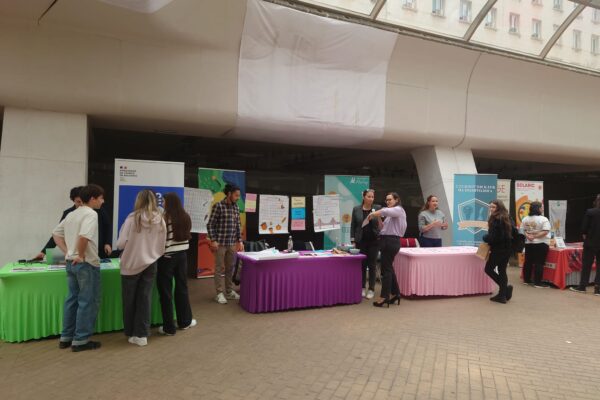
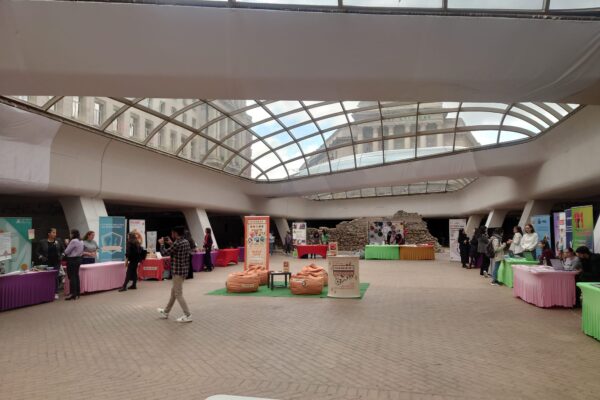
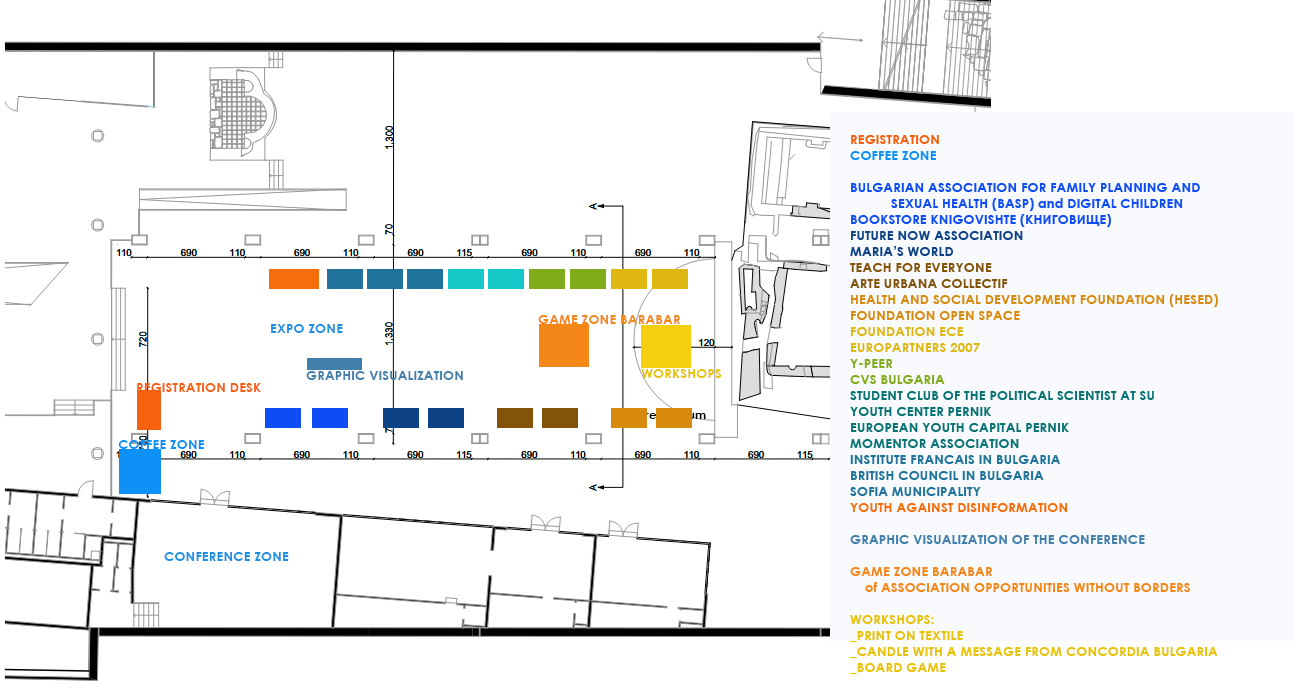
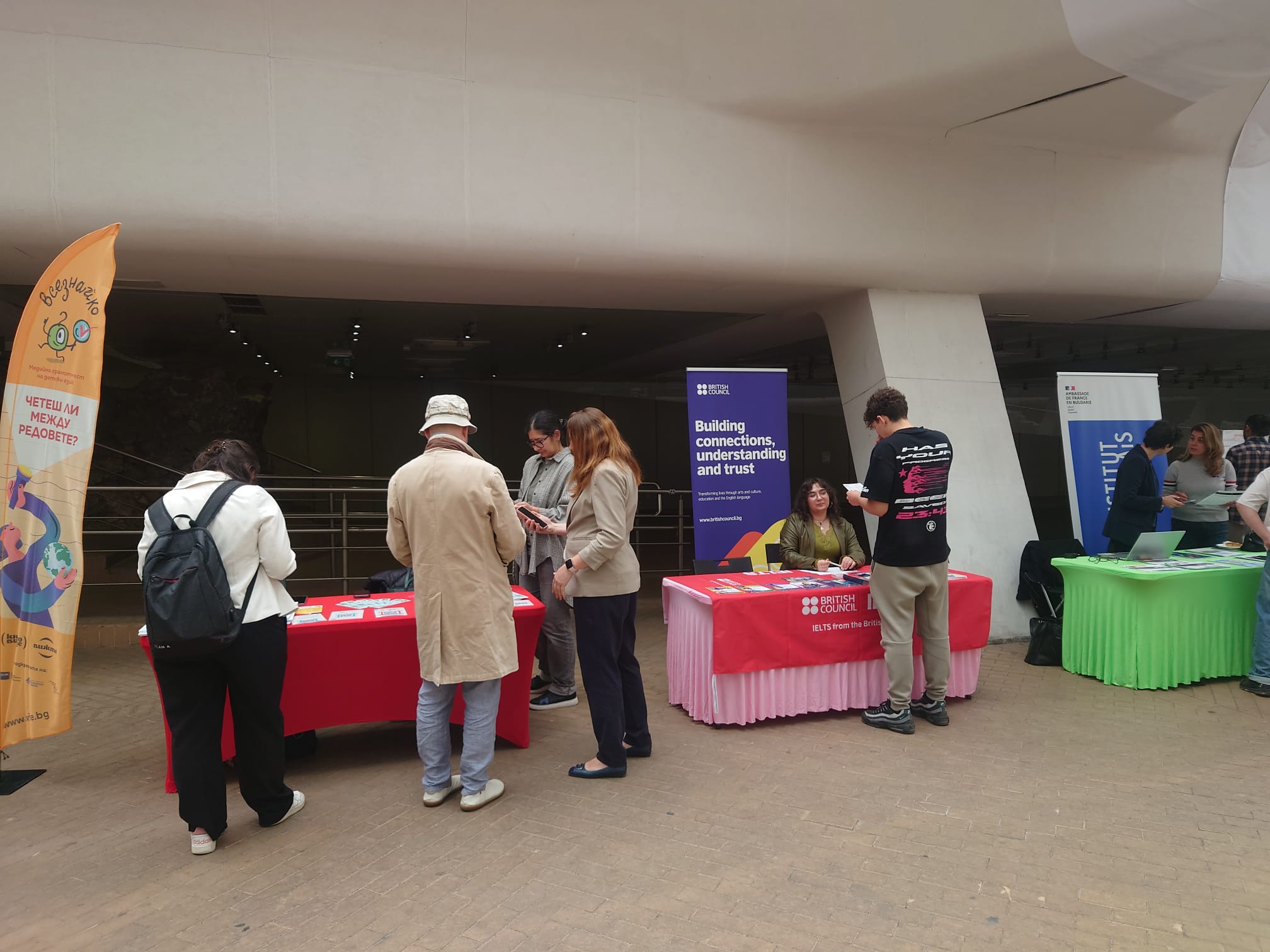
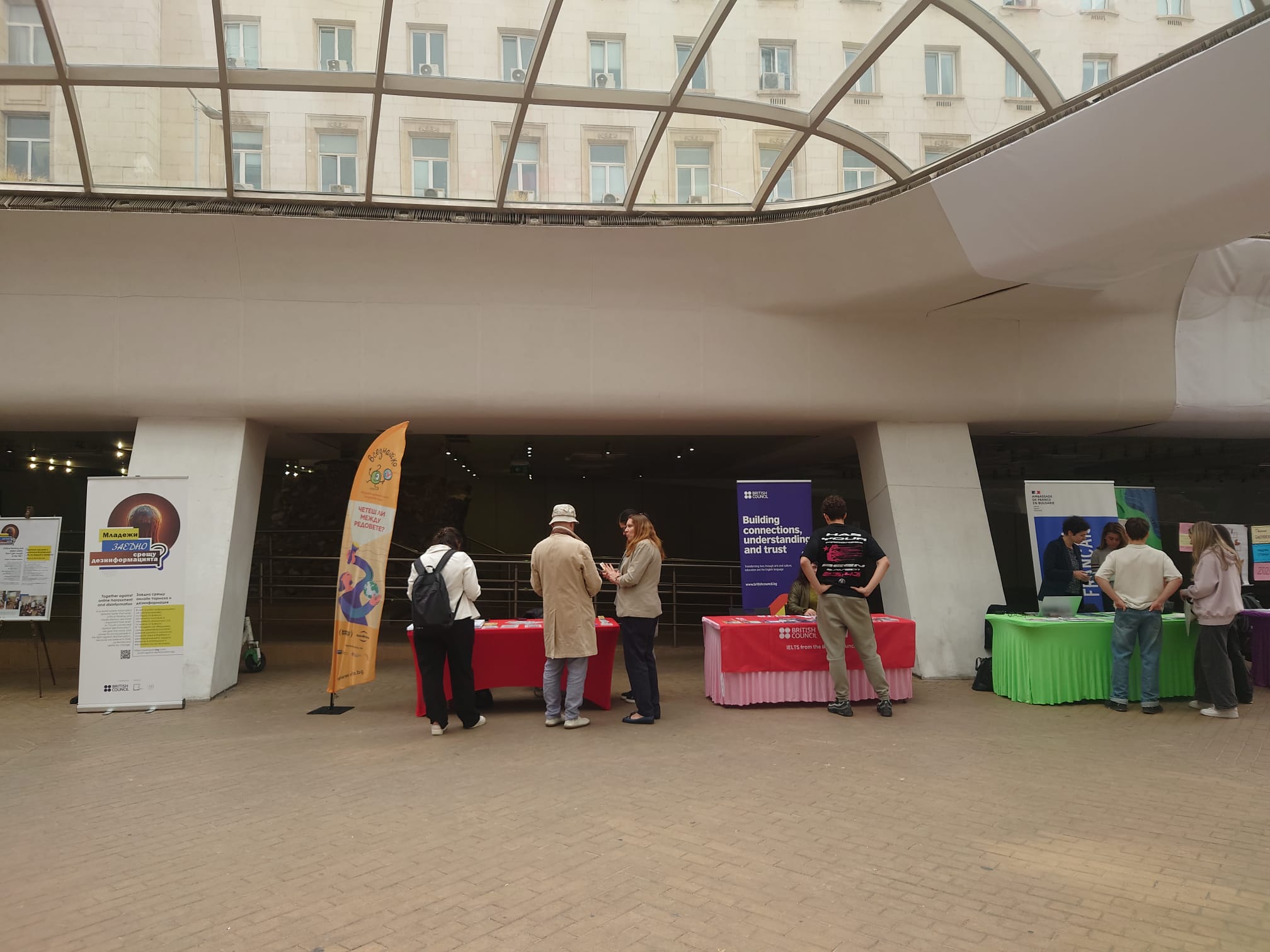
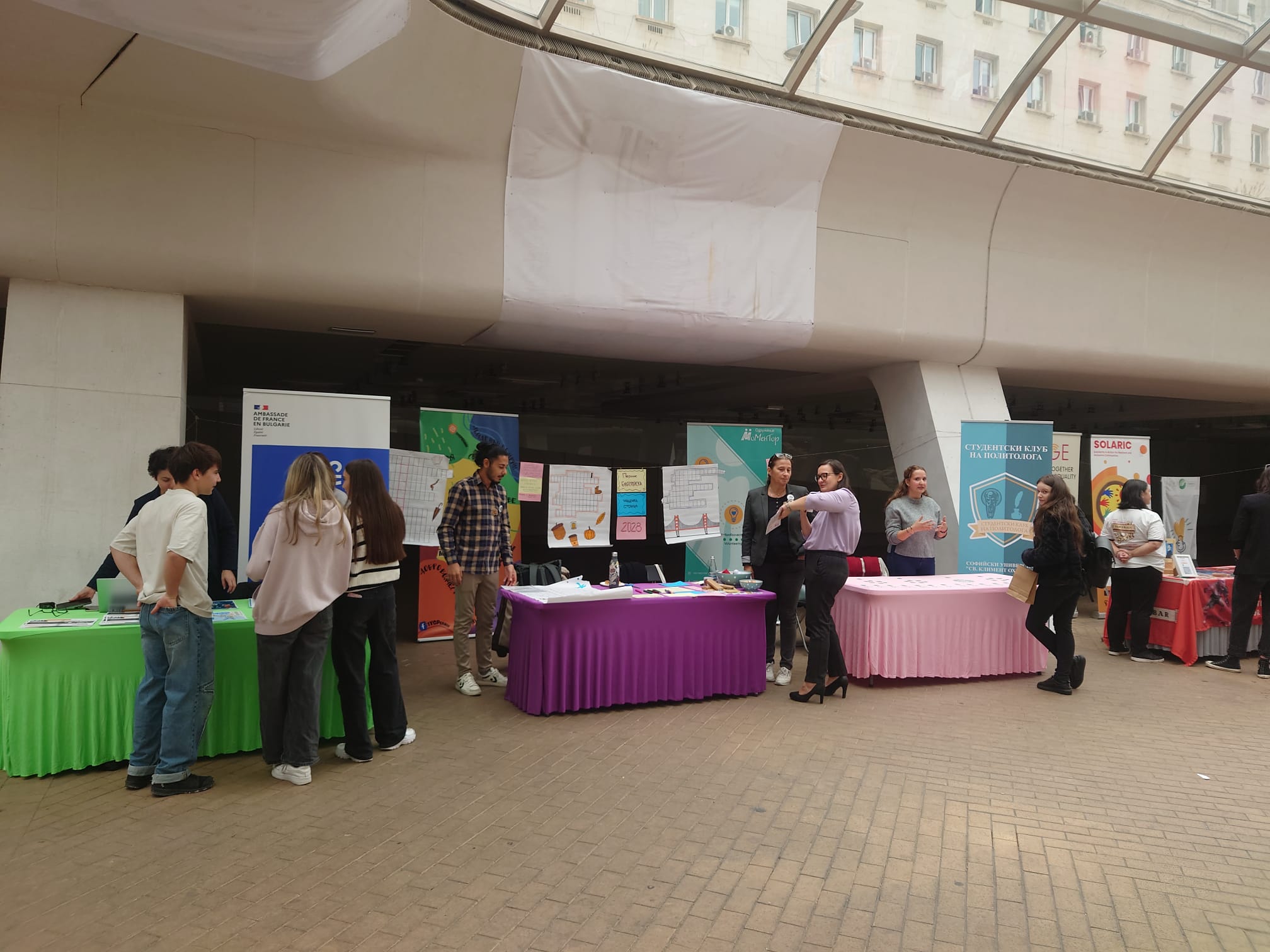
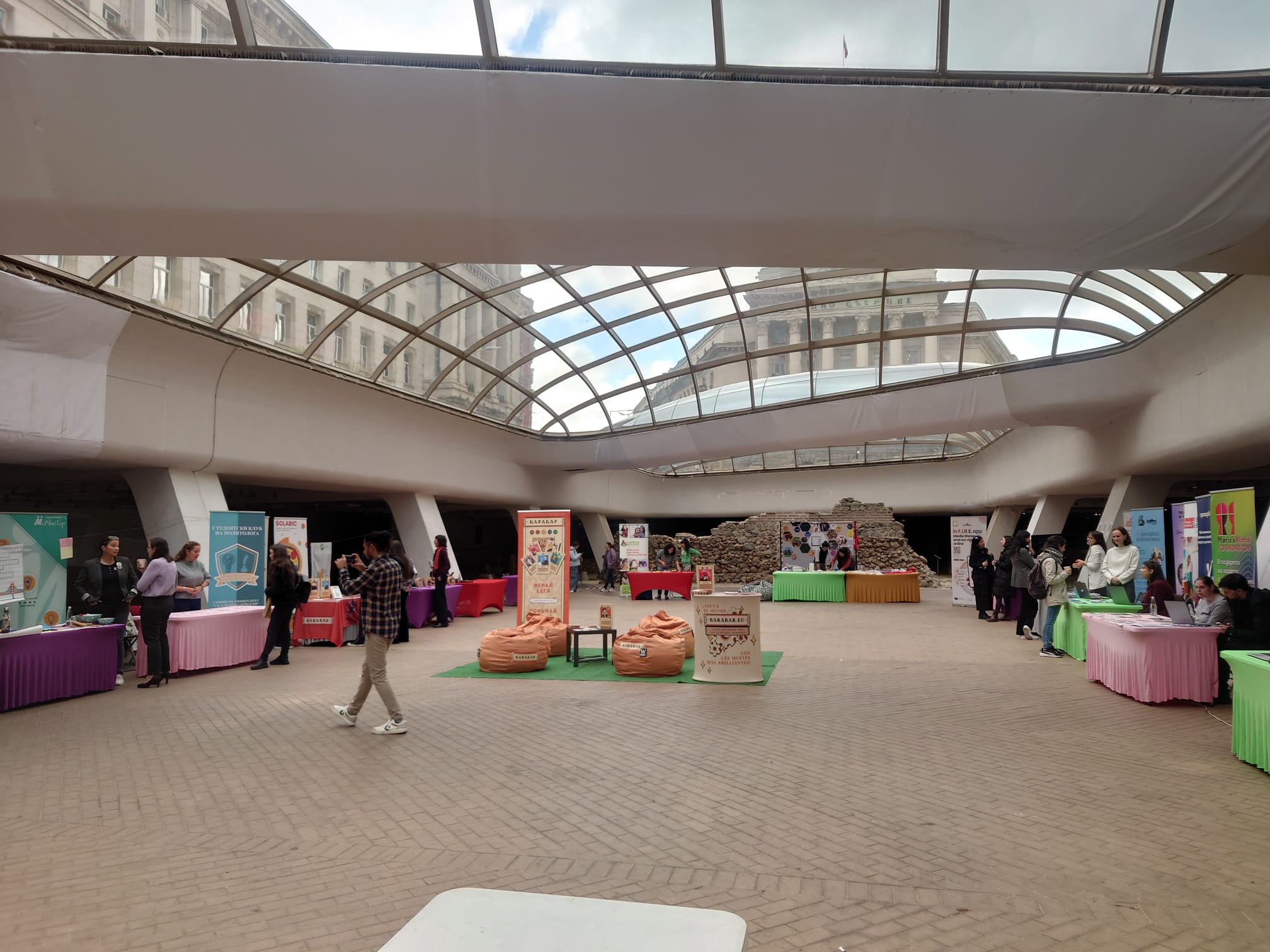
Parallel to the conference, an EXPO with its II day was held, an exhibition of initiatives for digital culture and media literacy

Within the framework of the Digital Citizens conference, an exhibition was held, which brought together leading organizations in Bulgaria, actively working to develop digital culture, critical thinking and media literacy.
The efforts of all participants are aimed at developing key competencies and skills in young people so that they can be responsible and informed digital citizens.
The exhibition demonstrated a wide range of good practices, covering both formal and informal education, civic participation, prevention and social support.


We will soon share a catalog of good practices and resources.

Day 3: Workshops on еmpowerment, resilience and healthy digital spaces

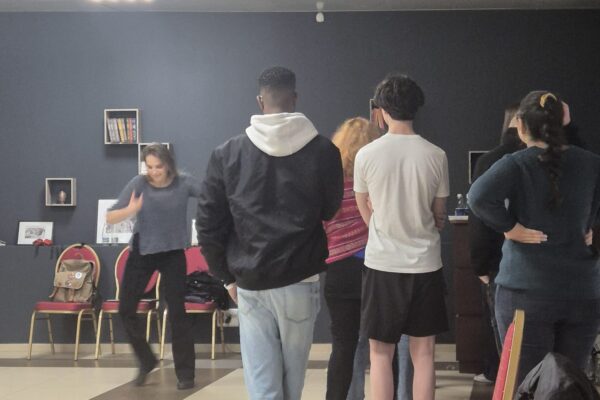
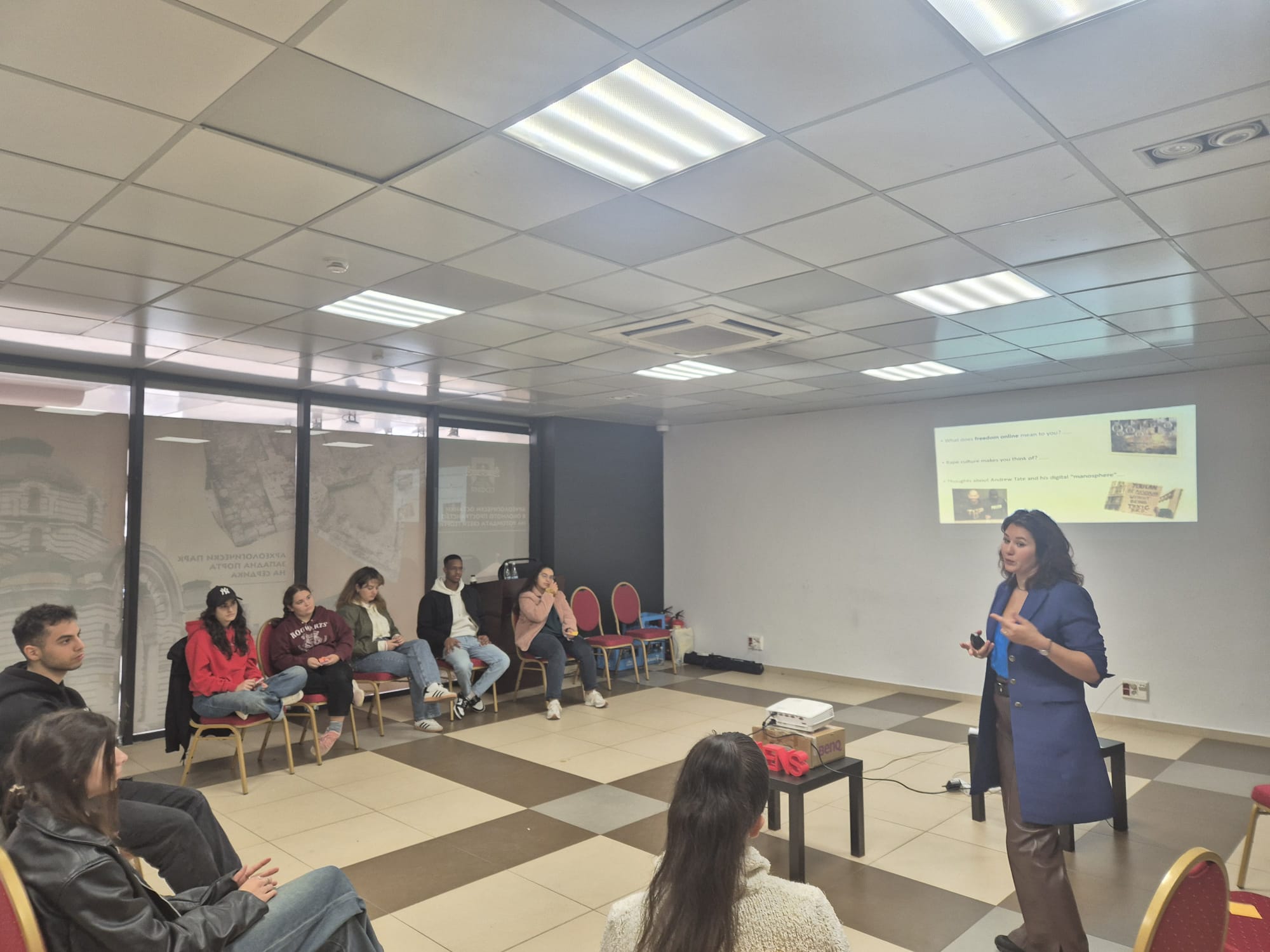
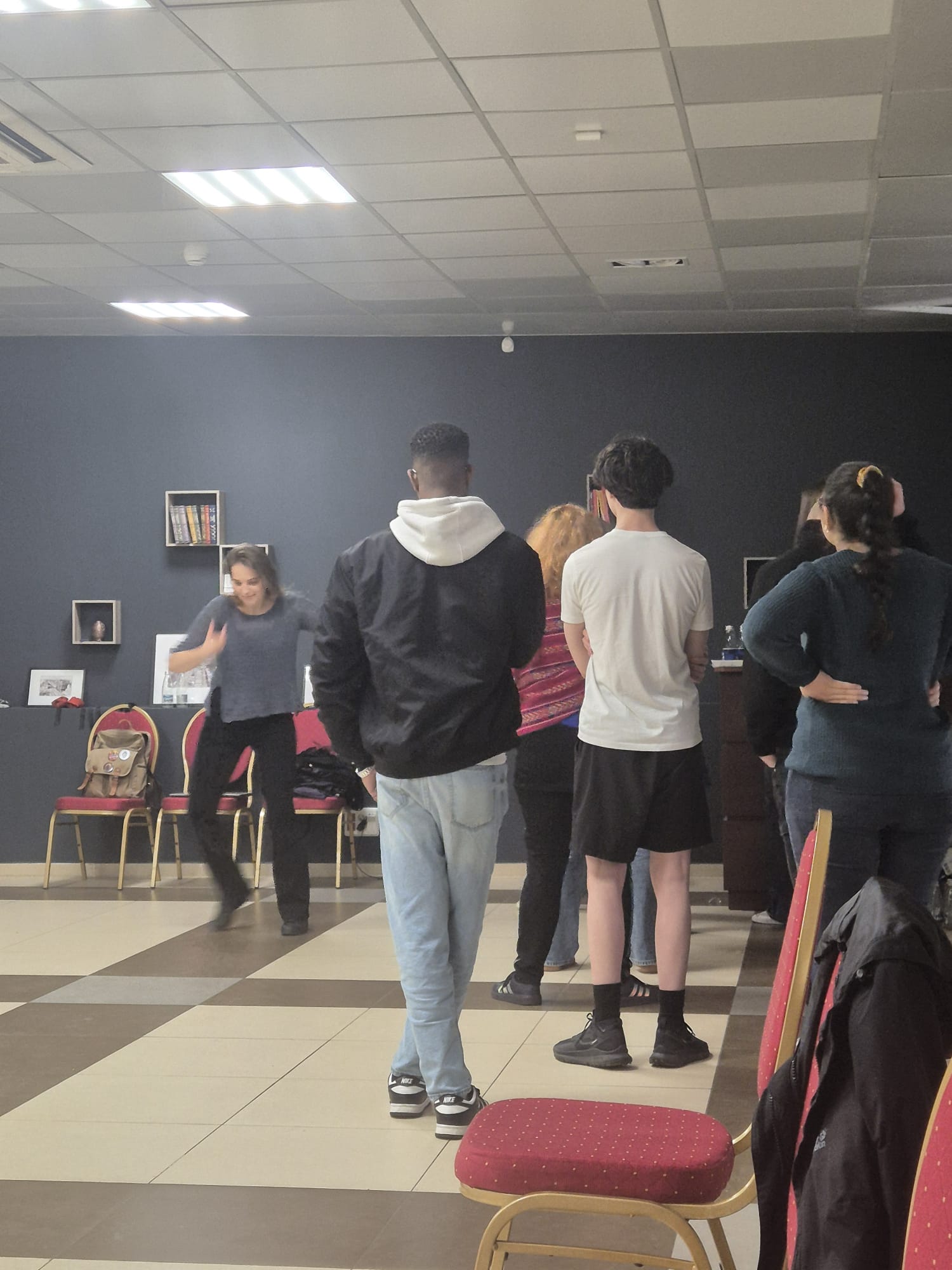
The third day of the Digital Citizens conference was dedicated to practical workshops aimed at empowering and building resilience in young people to deal with the most difficult challenges in the digital world.

The three sessions provided concrete strategies for responding to online crises and transforming harmful online dynamics:

  • The first workshop addressed the crisis of sharing personal intimate messages without consent.
  • The second: recognizing stressors amplified by the digital world (constant notifications, online conflicts, comparison, misinformation).
  • The third: exploring the ways in which rape culture is perpetuated online through gender stereotypes, harassment and fear.

Through open discussions and games, young people were trained to use their rights, responsibilities and critical thinking as digital citizens to challenge harmful norms. The workshops aimed to transform toxic dynamics into healthy, respectful and empowering online spaces by building solidarity and upholding dignity.

The overall goal of the workshops was to equip young people with concrete tools and strategies to move from being passive victims to active creators of safe and respectful digital environments. We will soon see how workshop participants create messages to their peers to convey what they have learned.


PROGRAMME:


OCTOBER 9 | Thursday | Parking lot of Vasil Levski Stadium (from General Yosif V. Gurko Street)

10:00 – 16:00 – Escape Truck — interactive game for prevention of trafficking and labor exploitation.

Participation is free, but pre-registration is required: here.


OCTOBER 10 | Friday | Largo Area, located under Independence Square, Sofia

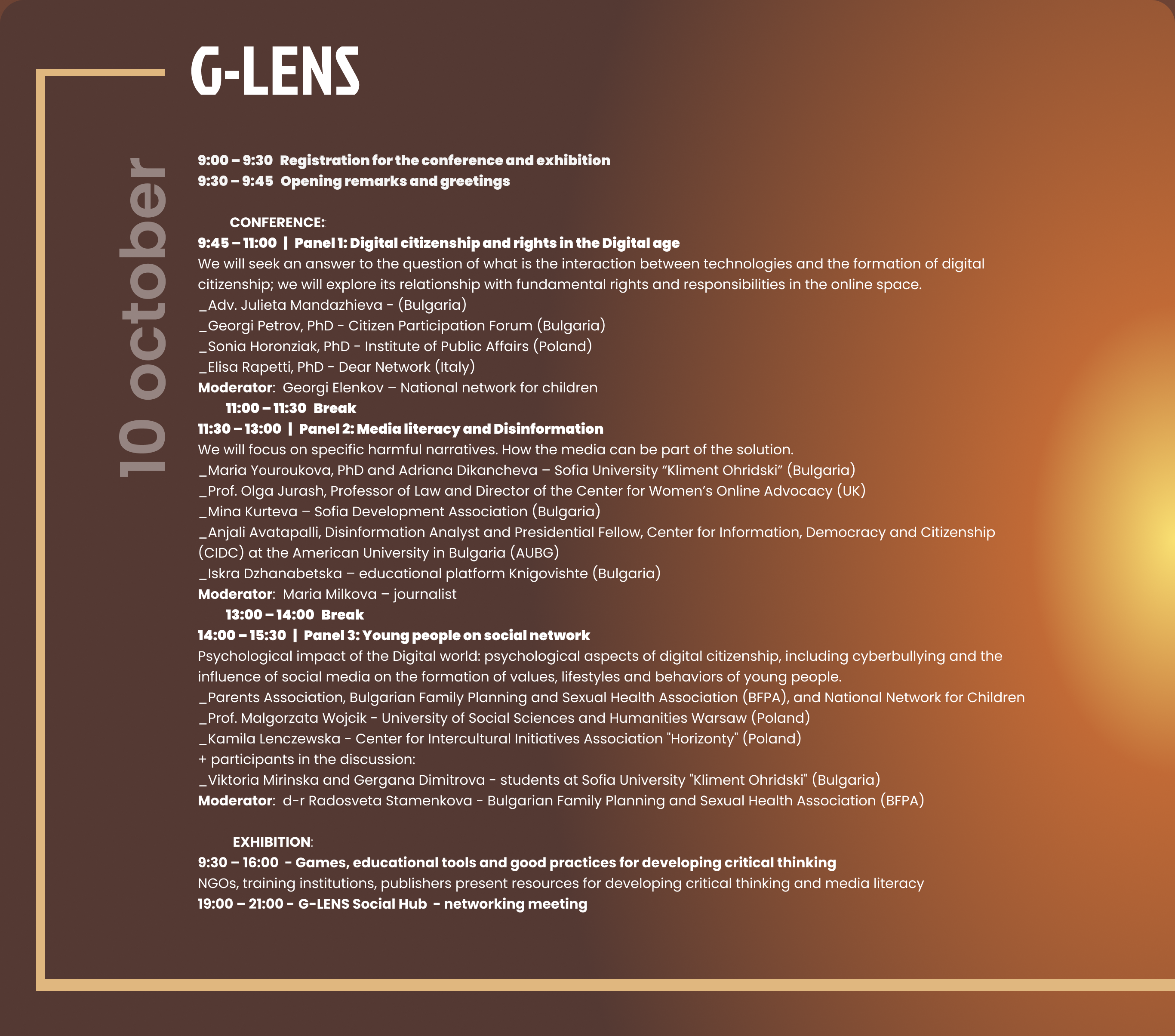
9:00 – 9:30 Registration for the conference and exhibition

9:30 – 9:45 Opening remarks and greetings:

Welcome from Mr. Ivan Goychev – Deputy Mayor of Sofia Municipality for “Digitalization, Innovation and Economic Development”

Welcome from Mr. Abdi Hassan – Country Director Romania and Bulgaria, British Council

  • CONFERENCE:

Largo Hall (under Independence Square)

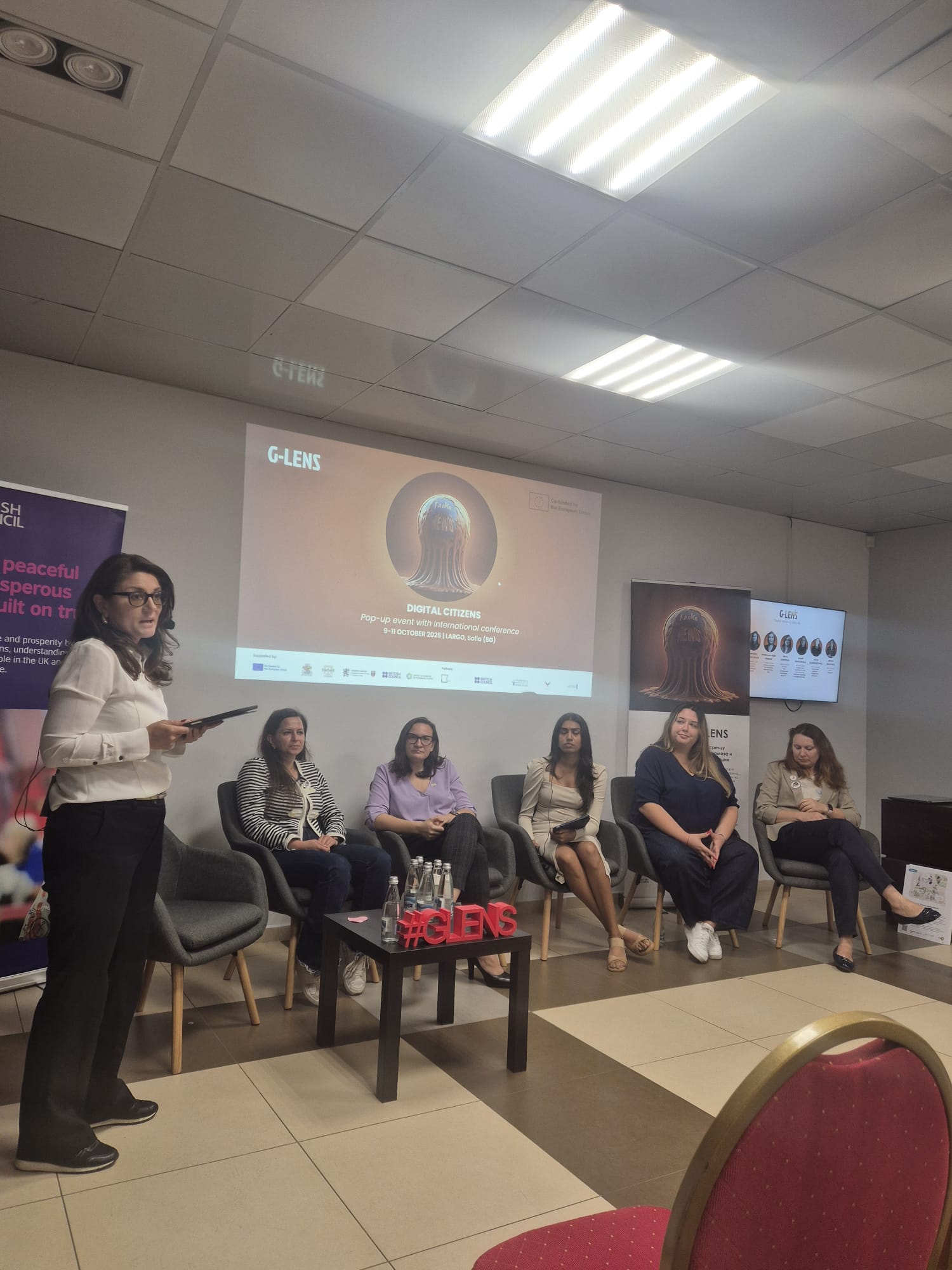
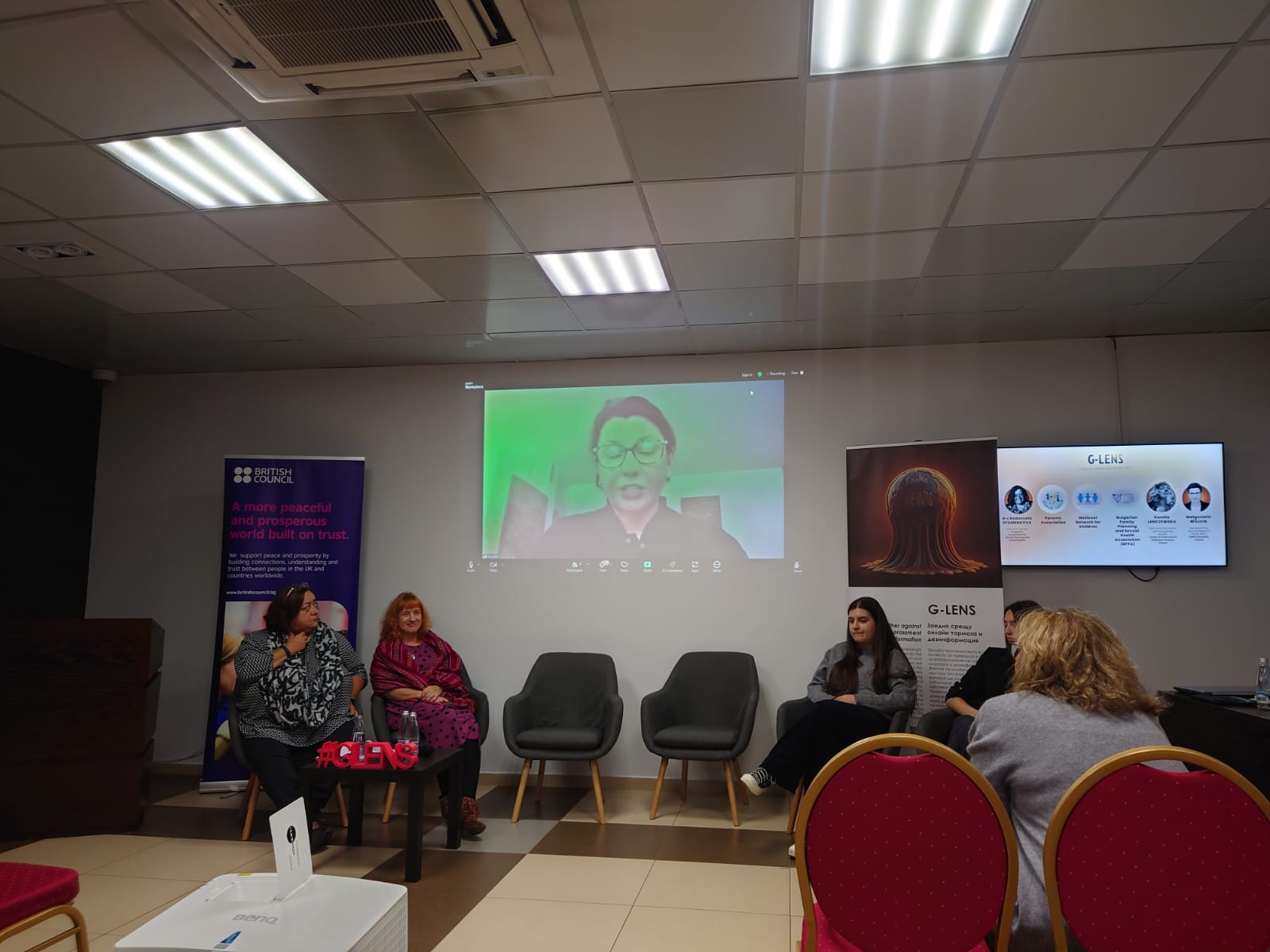
9:45 – 11:00 | Panel 1: Digital citizenship and rights in the digital age

We will seek an answer to the question of what is the interaction between technologies and the formation of digital citizenship; we will explore its relationship with fundamental rights and responsibilities in the online space.

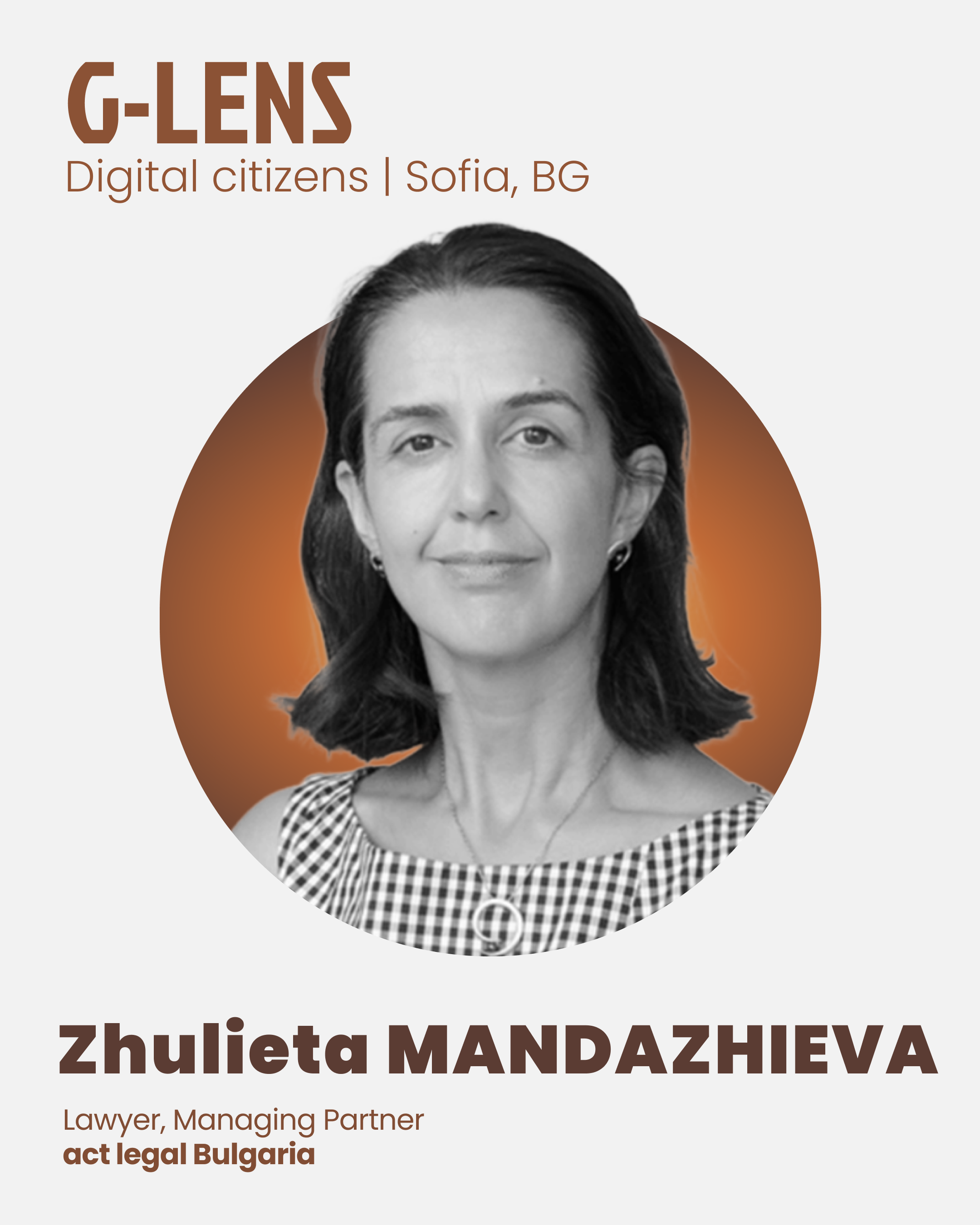
Adv. Julieta Mandazhieva (Bulgaria)
Zhulieta Mandazhieva is a lawyer specializing in digital technology law and the legal regulation of digital services, big data and personal data.
Master of Laws from Queen Mary University of London “Law of Technology, Media and Telecommunications”. Member of Digital Republic, an association of internet users, authors, computer specialists and lawyers. The mission of the association is to ask questions, discover challenges and seek answers, to support the development of technologies for the benefit of knowledge and to participate in these processes for the benefit of the largest possible part of society. Talk: Will present her analysis “Digital Rights in Bulgaria” for the annual report “Human Rights in Bulgaria in 2024” of the Bulgarian Helsinki Committee

Digital rights in Bulgaria and her analysis for the annual report “Human Rights in Bulgaria in 2024” of the Bulgarian Helsinki Committee

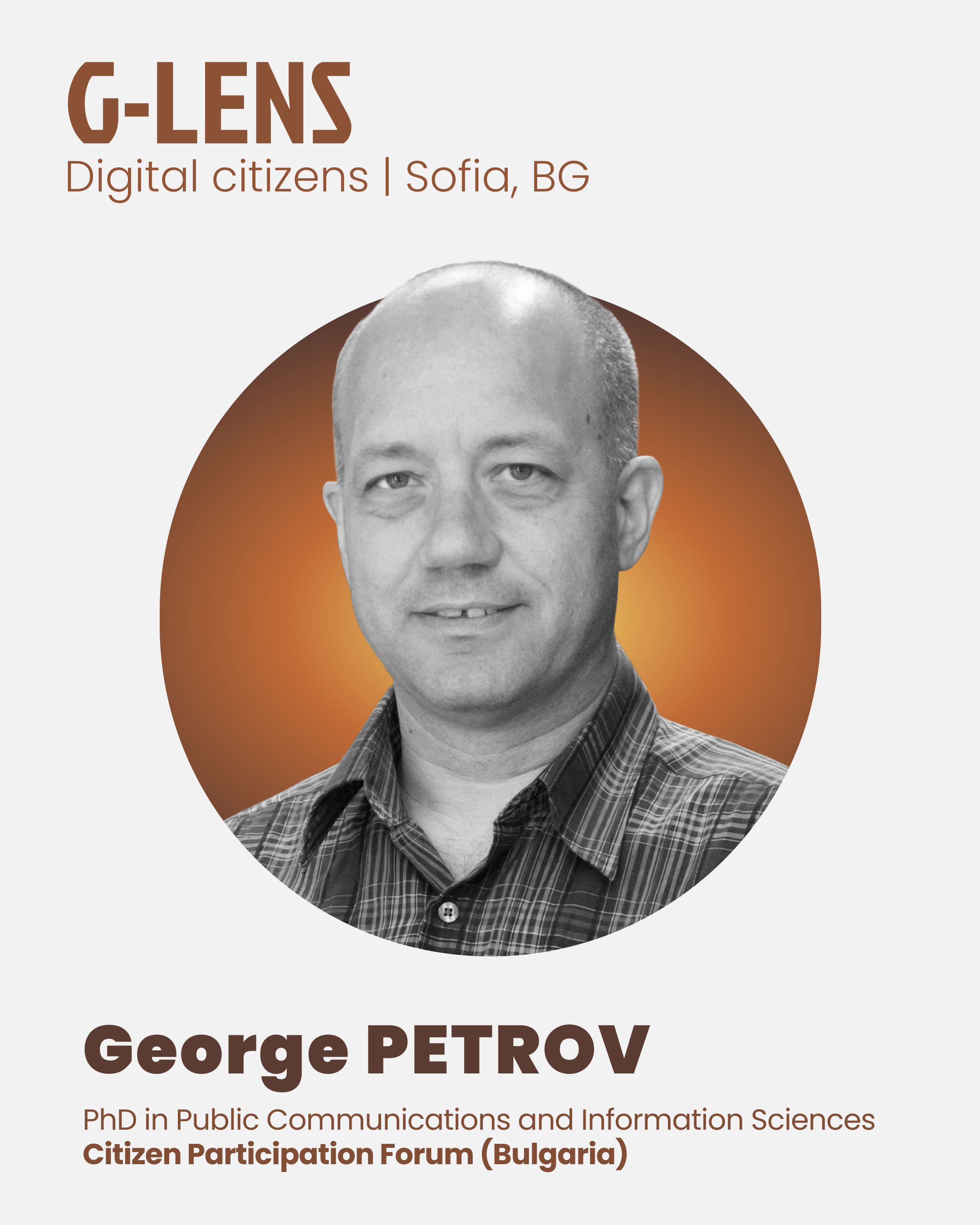
Georgi Petrov, PhD – Citizen Participation Forum (Bulgaria)
Georgi Petrov has over 20 years of experience in building, maintaining and advocating for networks of civil society organizations. In recent years, he has been working intensively on citizen empowerment and more active and effective civic participation in the decision-making process, including through the use of digital tools and platforms. He has extensive experience as a lecturer in the field of non-formal, vocational and higher education. Georgi Petrov holds a PhD in Public Communications and Information Sciences from Sofia University “St. Kliment Ohridski”.
Presentation:  Public participation in decision-making is a way of empowering the public and is a vital part of democratic governance. At the same time, in recent years, there has been a trend for citizens to be increasingly active online and less active in face-to-face consultations. This also implies a change in the ways in which they are involved in making decisions that are important to their lives, a change that is happening in many places around the world using various digital tools and platforms.

Talk:  Empowering digital citizenship: Online tools for civic participation and inclusive, transparent governance

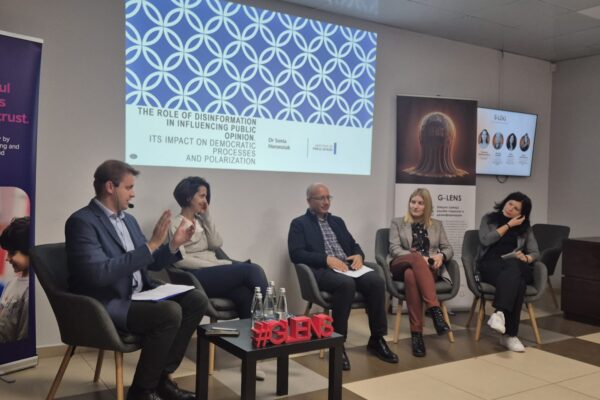
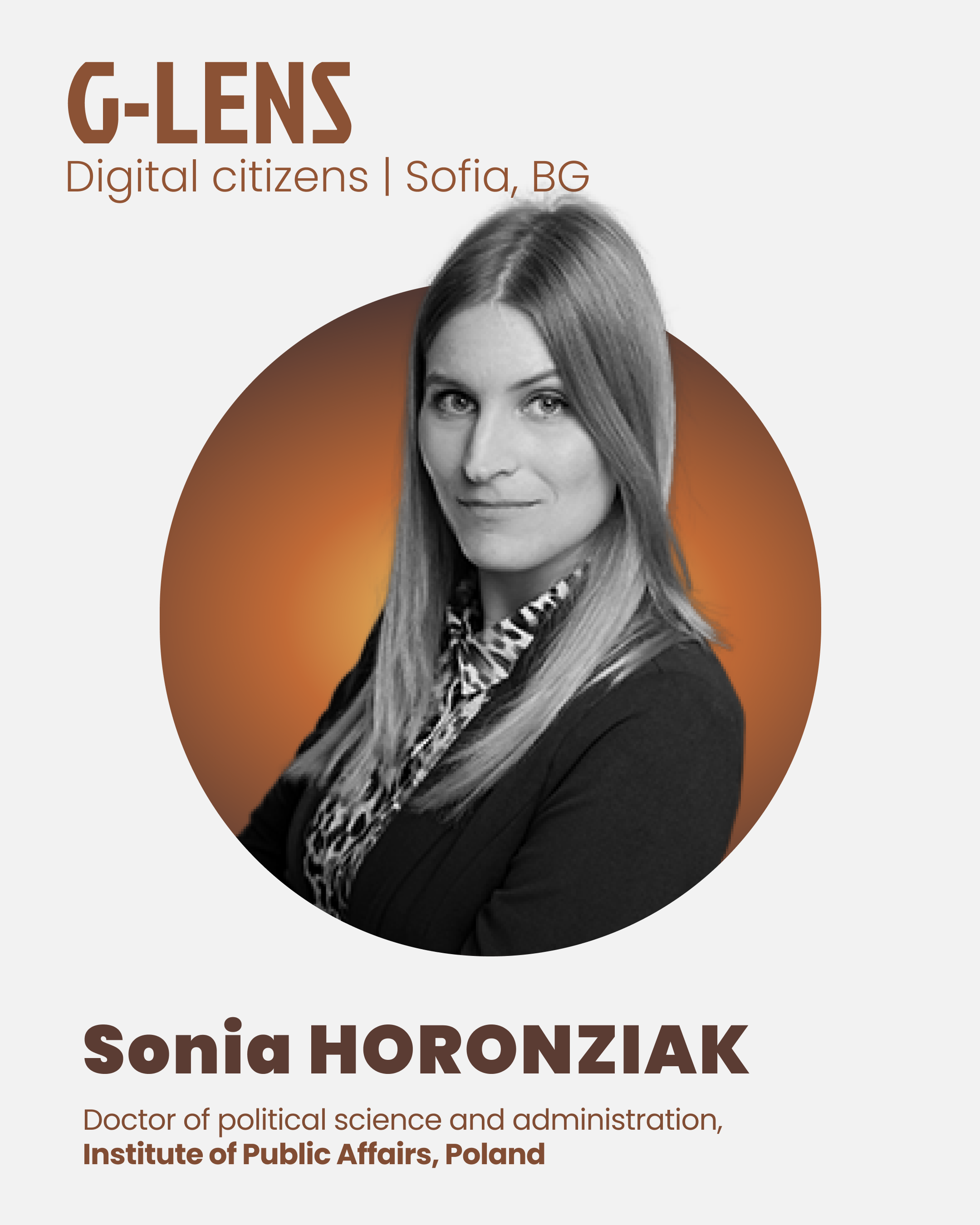
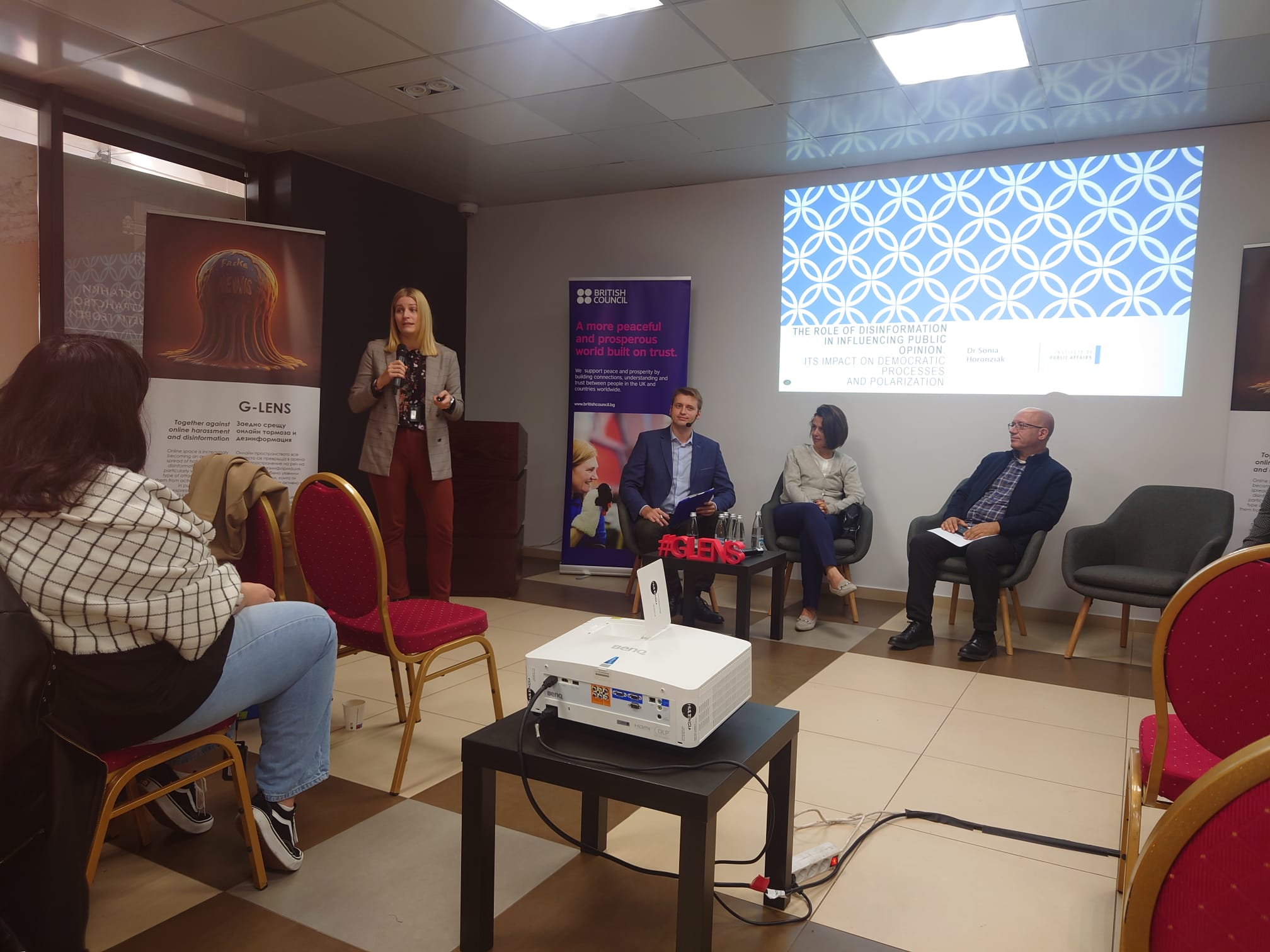
Sonia Horonziak, PhD – Institute of Public Affairs (Poland)
Doctor of political science and administration. Director of the Democracy and Civil Society Program at the Institute of Public Affairs. Lecturer at the University of Warsaw. Graduate of the Jagiellonian University in Krakow and a research scholarship program at the Technische Universität Dresden, Germany. In the years 2020-2023, she worked as a Specialist for Scientific Contacts at the Polish Academy of Sciences – Scientific Centre in Vienna.  For years, she has been cooperating with scientific institutions and NGOs in Poland and abroad establishing international scientific contacts with multiple European organizations. Author of many publications in the field of political polarization, democratic theory and electoral processes.

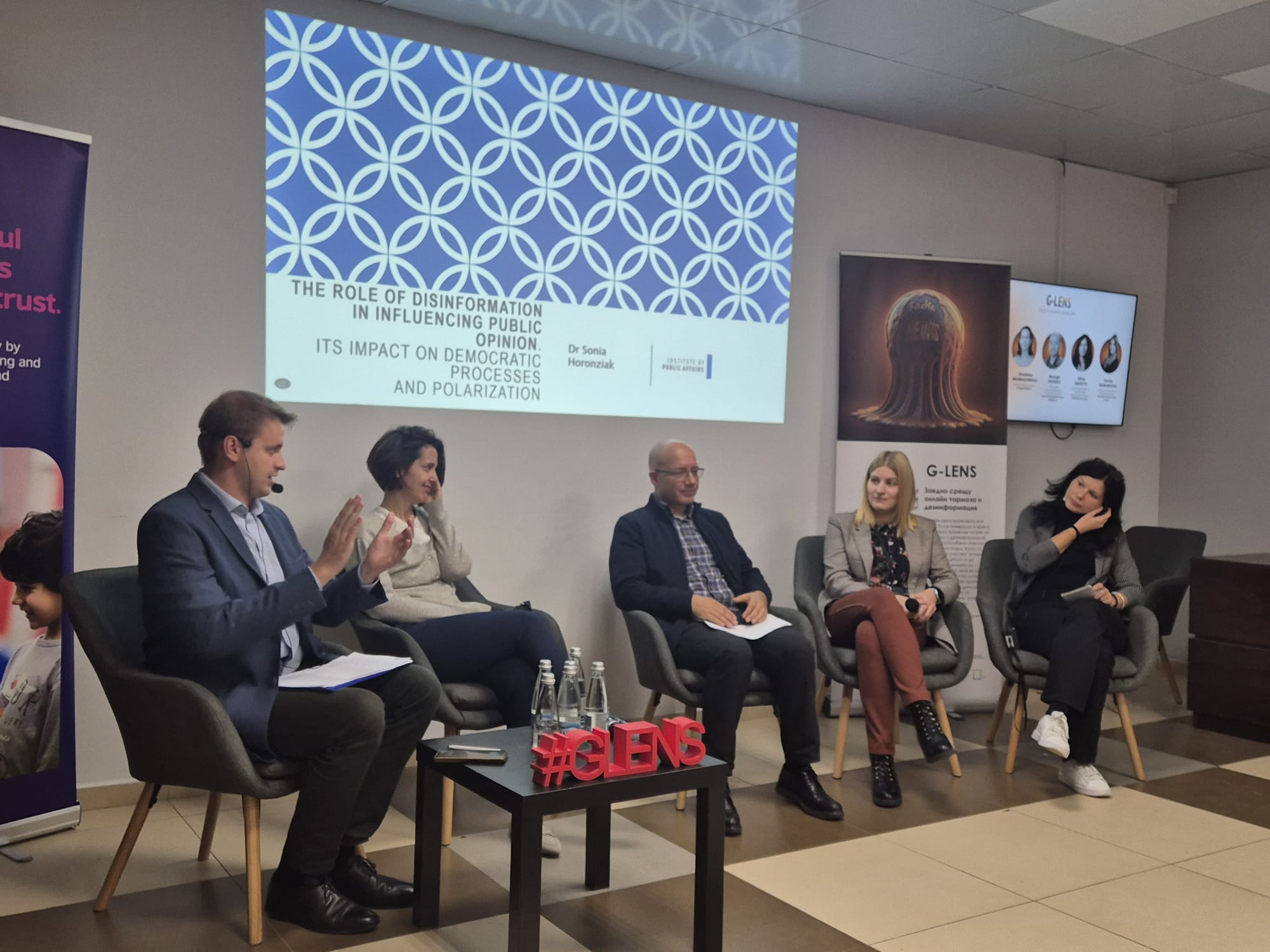
The presentation explores how disinformation shapes public opinion, undermines democratic processes, and deepens societal polarization on the example of Poland. It examines the mechanisms through which false narratives spread and considers strategies for strengthening resilience against their influence. 


Talk: The role of disinformation in influencing public opinion, its impact on democratic processes and polarization.

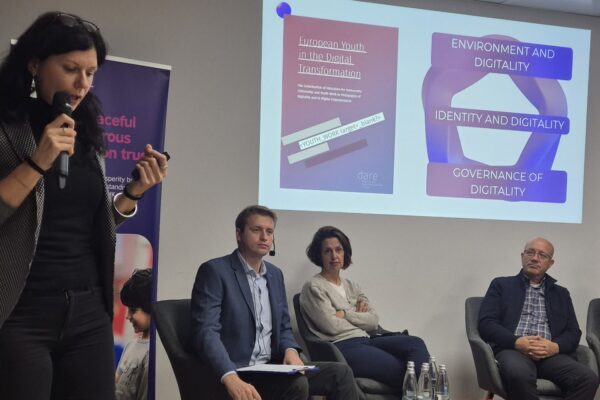
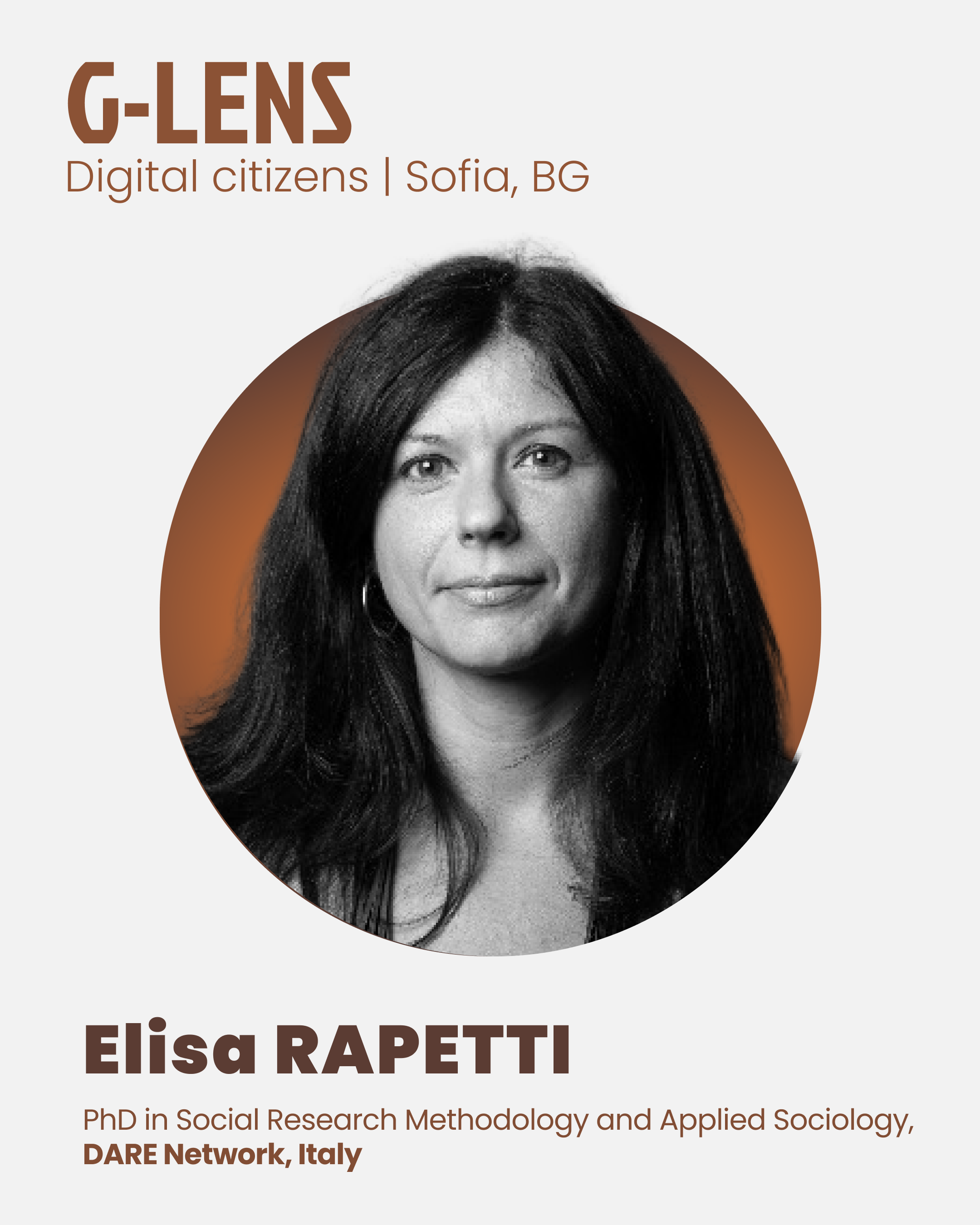
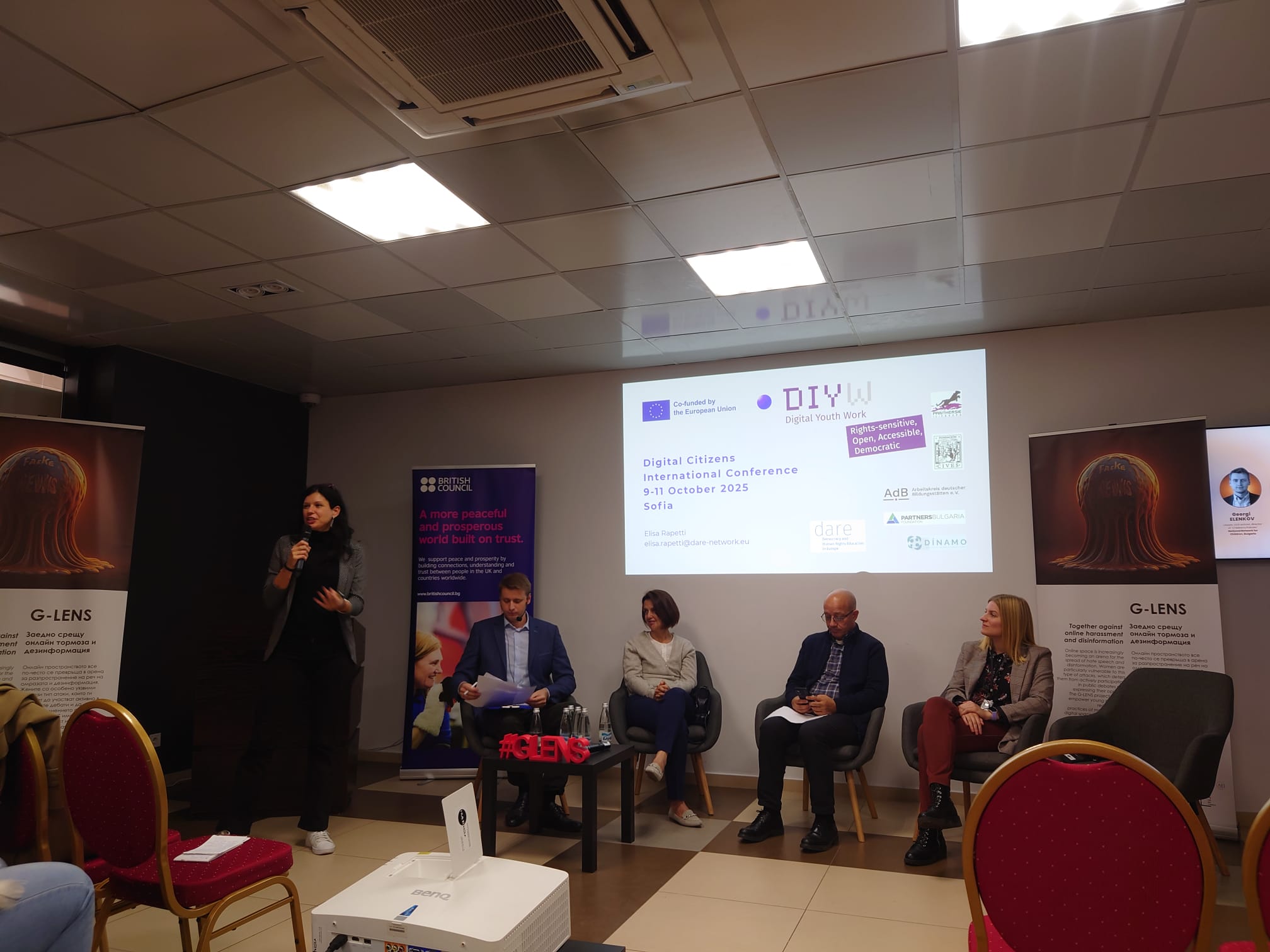
Elisa Rapetti, PhD – DARE Network (Italy)
PhD in Social Research Methodology and Applied Sociology. Among other works and collaborations as researcher and training expert, she has been working with the DARE Network since 2019 on Democratic and Human Rights Education in the non-formal sector, focusing on how rights and pedagogical approaches are being transformed within the frame of digital transformation. She brings a perspective on rights and citizenship education from the standpoint of gender, diversity, and inclusion.
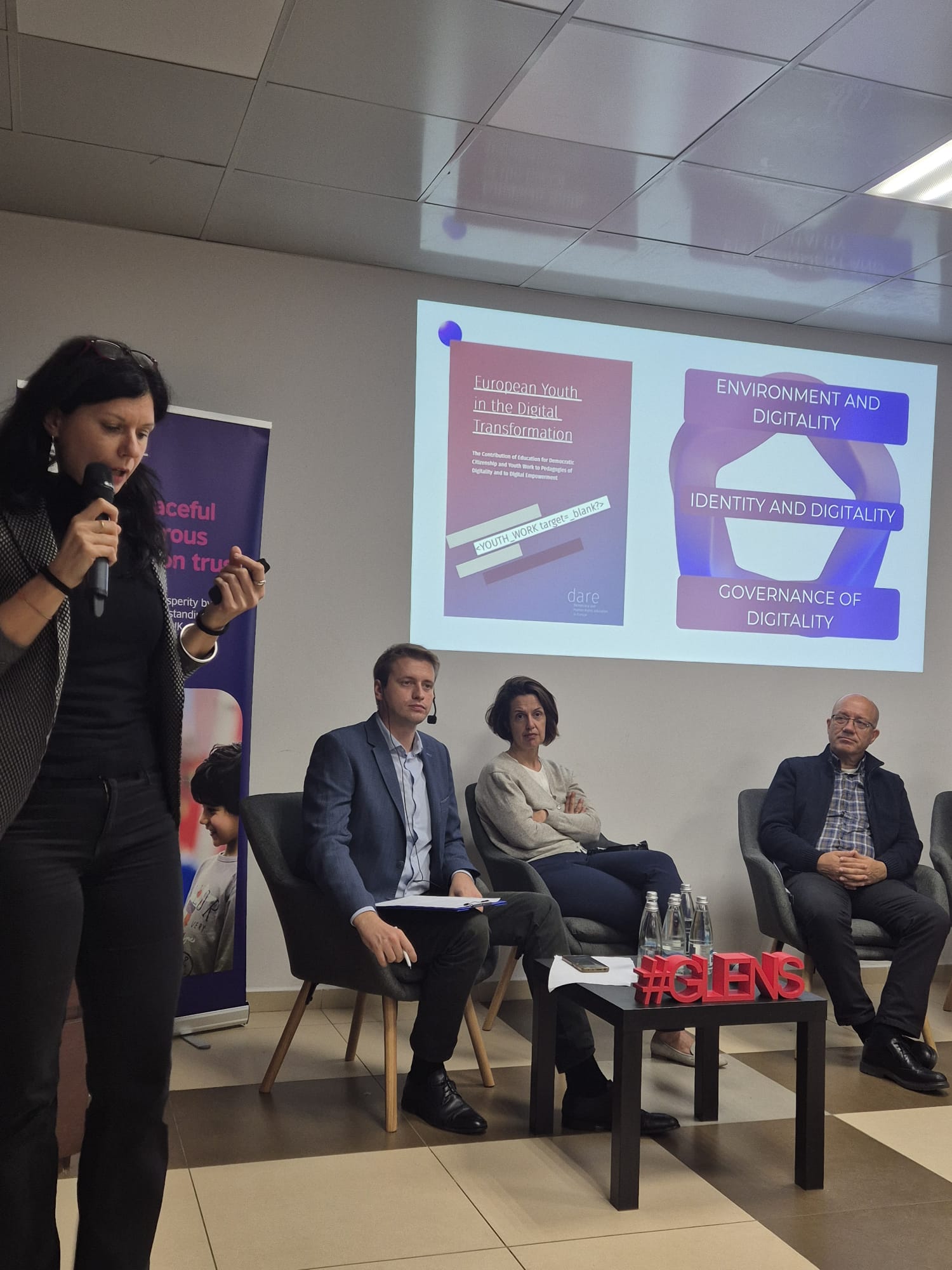
The presentation builds on the exploration carried out within the frame of the E+ DIYW ROAD project (Digital Youth Work – rights sensitive, open, accessible, and democratic). It examines how digital transformation impacts three main domains of digitalisation: the governance of the web, the sustainability of digital technologies, and the process of individual identity building. It focuses in particular on the latter, highlighting its connections with meso- and macro-level phenomena, and linking them to rights and active participation in the digital sphere. It also raises key questions and crucial topics on how youth work can promote educational activities for awareness-raising and active citizenship.

Talk: Youth participation in digital governance: pedagogical aspects of the digital transition, especially for citizenship and democratic education.

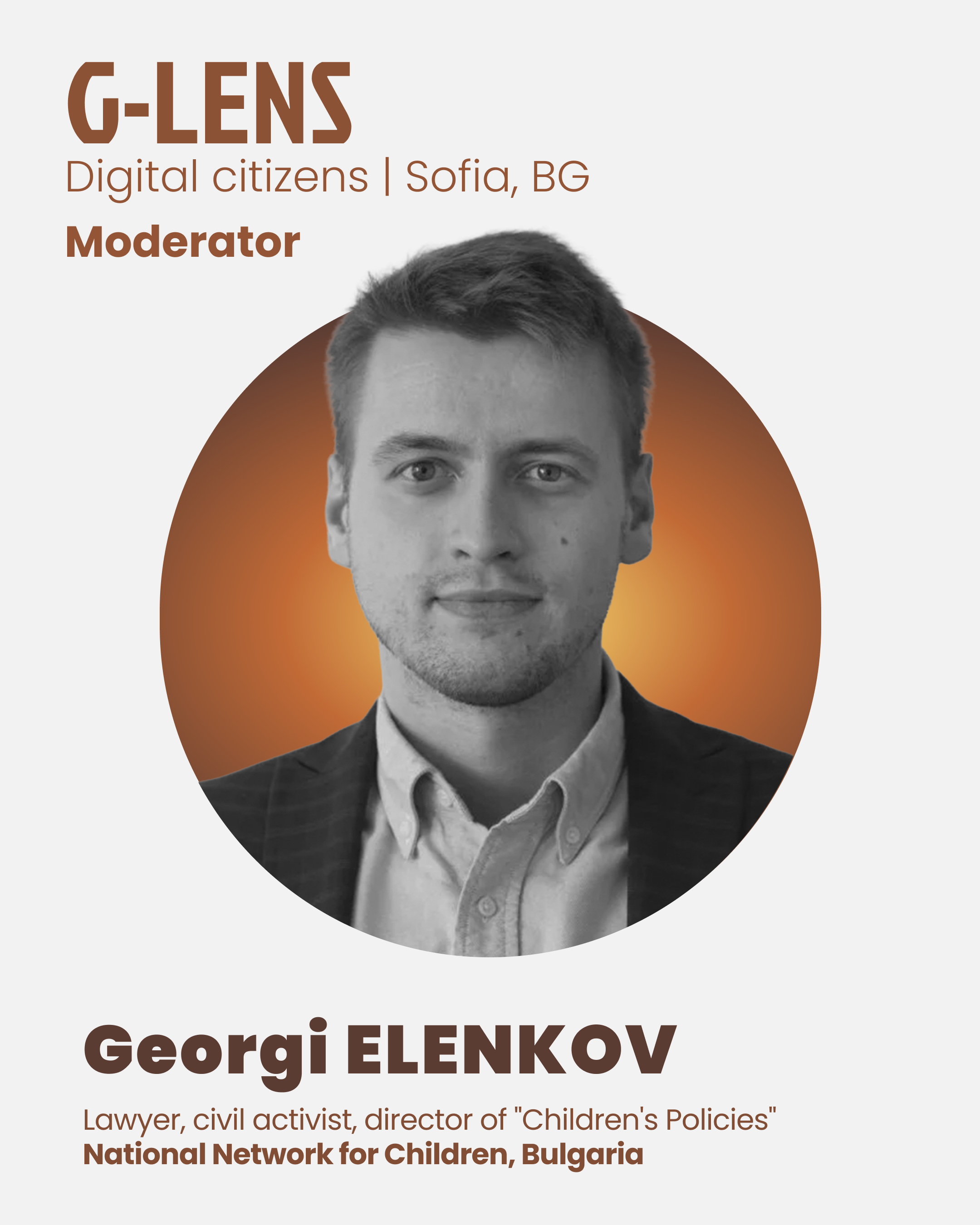
Moderator: Georgi Elenkov – National Network for Children (Bulgaria)
Georgi Elenkov is a lawyer, civil activist, director of “Children’s Policies” at the National Network for Children – the largest association of organizations and citizens working with and for children and families in Bulgaria. Mr. Elenkov is also the coordinator of the “Digital Children” project by the National Network for Children – a project under the “Digital Europe” program, ensuring the functioning and development of the National Center „Safe Internet“ (safenet.bg). He is part of the teams of the Institute for Mediation and Dispute Management (IMEUS), the “Via Humanica” Association and the Professional Association of Mediators in Bulgaria (PAMB).

11:00 – 11:30 | Break

11:30 – 13:00 | Panel 2: Media literacy and disinformation

We will focus on specific harmful narratives and the role of media and the entertainment industry in countering them: how media can be part of the solution.

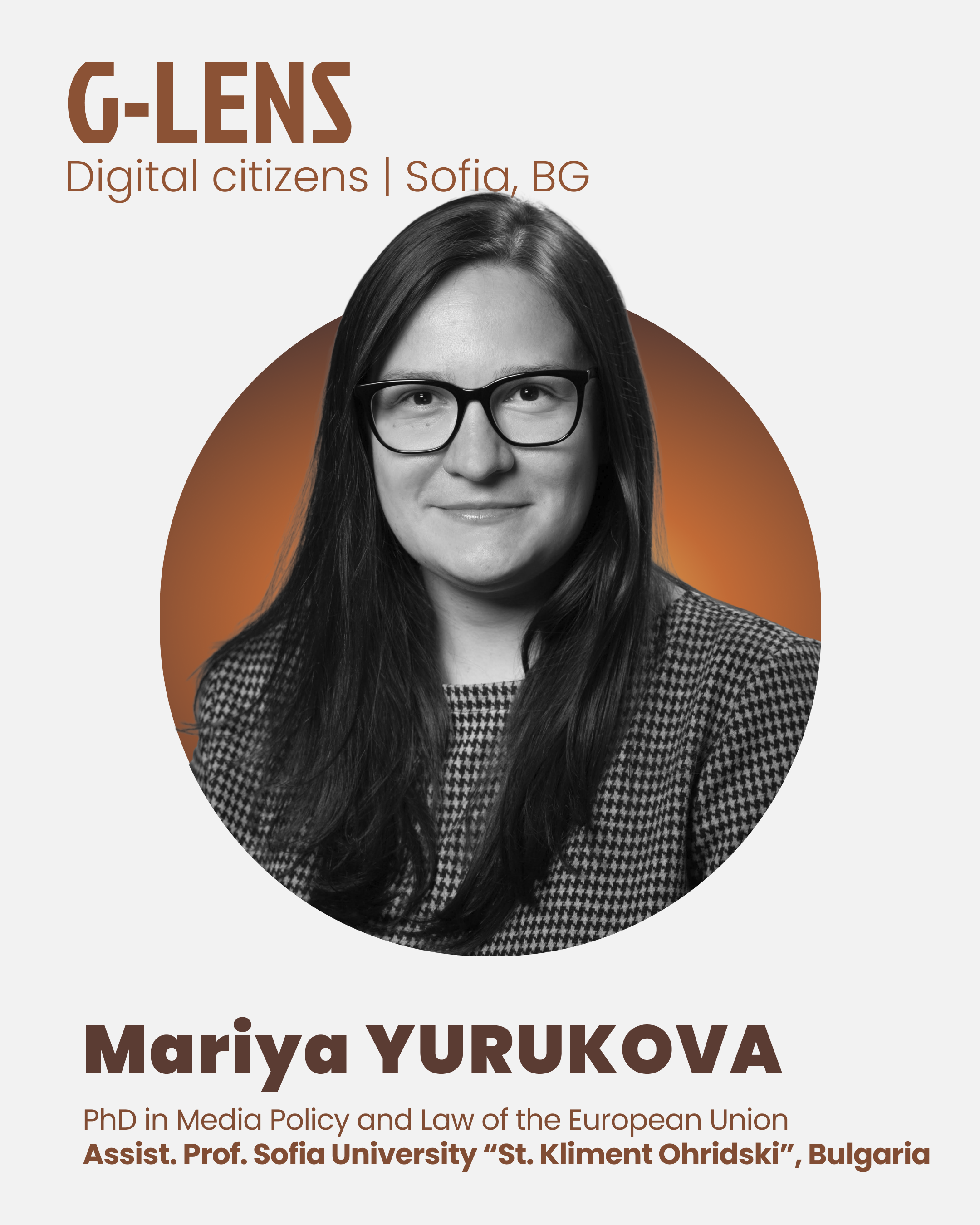
Maria Yurukova, PhD – Sofia University “St. Kliment Ohridski” (Bulgaria)

Assist. Prof. Mariya Yurukova, PhD from the European studies Department at Sofia University is a media and policy analysis researcher. She holds a PhD in Media Policy and Law of the European Union and she is an expert in policies, legislative initiatives and soft law measures against harmful content online. The topic of her PhD dissertation is Disinformation online: counter-strategies in EU. She teaches courses in European Media Policy, Media analysis, Media research and projects, News production and Policies in EU at the undergraduate and master’s degree level students at Sofia University. She has more than 10 years of experience in research and policy analyses in the academia, in the NGO sector and in the public sector. She was working in the analytical department at the Office of the President in Republic of Bulgaria between 2015 and 2022 and she was head of the same unit for 6 years. She has published more than twenty publication. The main scientific achievements of her academic work (as head, coordinator and researcher in several research projects in Sofia University and in the NGO sector) are related to topics like: information and media policy and law; countering disinformation; media literacy, digital skills; content analyses of online media and social media in Bulgaria and in other EU Member States; monitoring of the media coverage before and during the European Parliament elections in 2019; content analyses of the social media profiles and pages of Bulgarian policy makers during elections and the image of Bulgaria in the European online newspapers. She is activist for media literacy and a trainer in different NGO projects in the field of countering disinformation and a supporter of the idea that EU efforts to create an adequate and disinformation-proof media ecosystem in the digital age are fundamental to Europe`s prosperity. Her interests are in the field of countering online disinformation, media literacy, media freedom and media policy and regulation at national and at EU level.

She will introducing DisInfoHack 2025 – the first slow hackathon on disinformation and its detection.


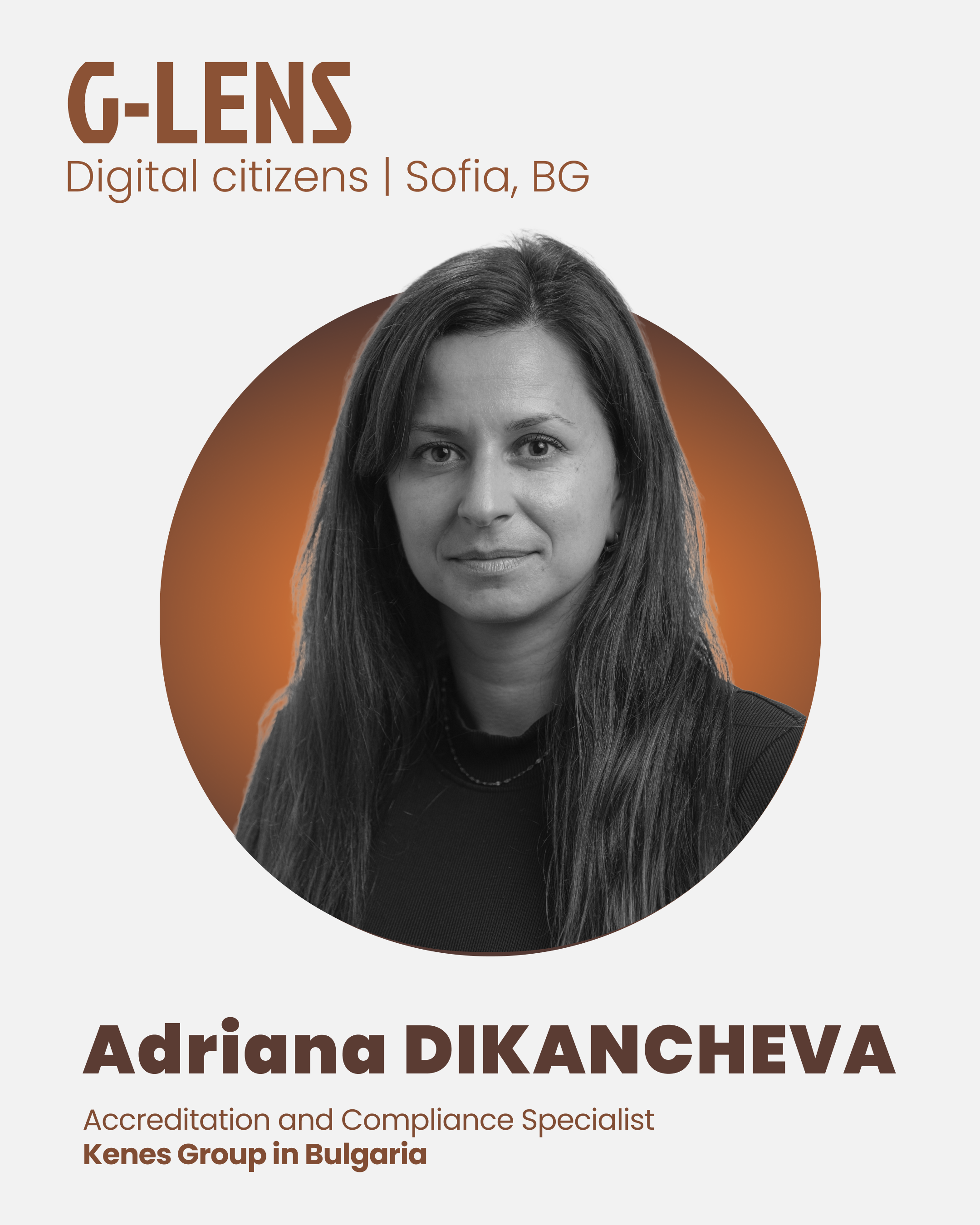
Adriana Dikancheva – Kenes Group ▾
Adriana Dikancheva is an Accreditation and Compliance Specialist at Kenes Group. She graduated with a Master’s degree in E-Europe from the Department of European Studies at Sofia University and is actively involved in the university’s initiatives related to combating disinformation. In 2024, she participated in a team investigating online media coverage of the European Parliament elections, and in 2025, she joined as a mentor to DisInfoHack 2025 – the first slow hackathon on disinformation and its recognition. Adriana is an enthusiast of the topic of “media literacy”, specializing in the field of content analysis. PhD candidate at the Department of European Studies, field “Economic Studies of the European Union”.

Talk: Introducing DisInfoHack 2025 – the first slow hackathon on disinformation and its detection.


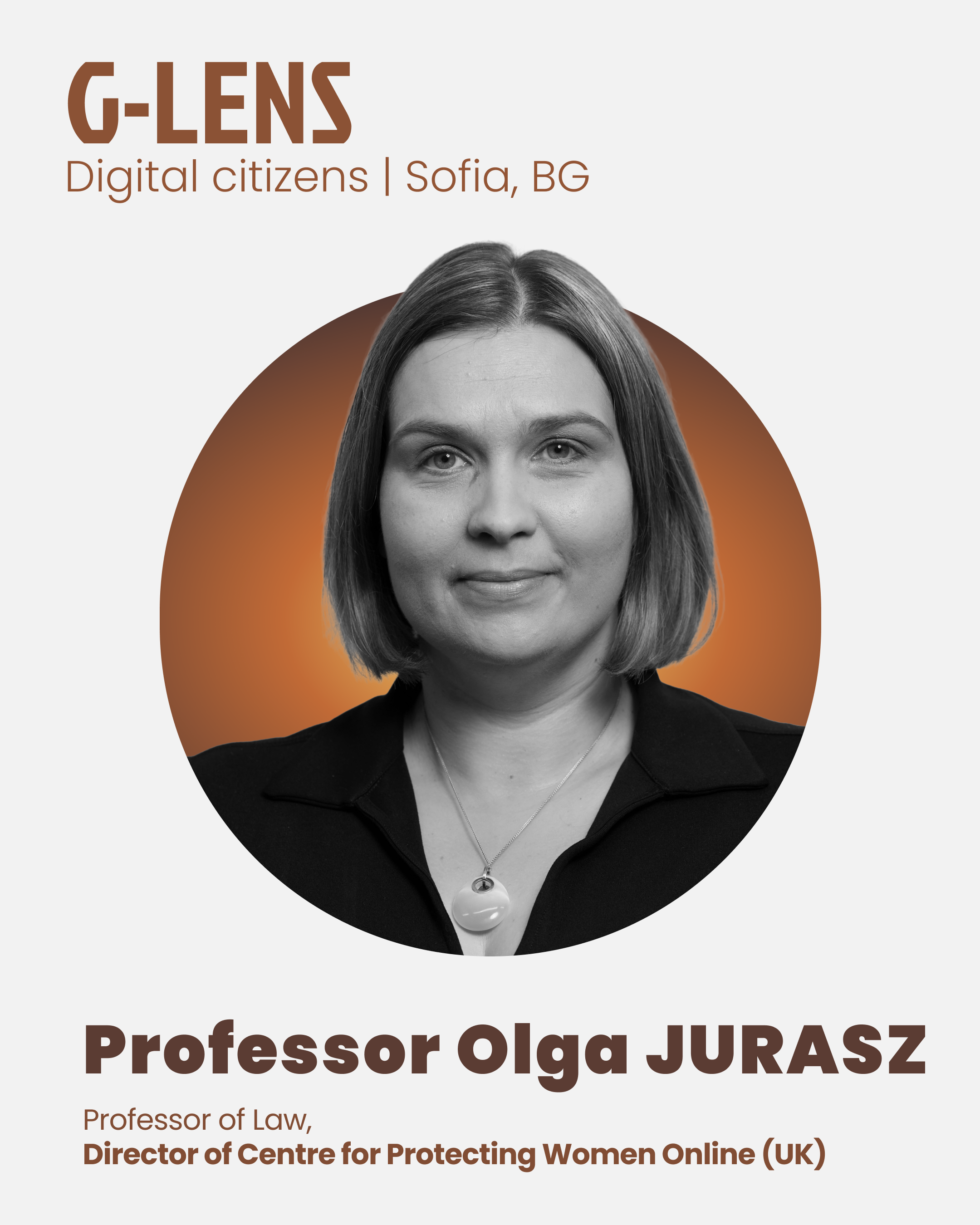
Prof. Olga Jurasz – Director, Centre for Protecting Women Online (UK)
Professor Olga Jurasz is Director of Centre for Protecting Women Online – a unit dedicated to advancing women’s online safety through cross-disciplinary research and cross-sectoral collaborations. The Centre is funded through £7.7million grant from Research England. She is Professor of Law at the Open University and, since 2024, she serves as an Independent Expert to the Council of Europe Committee of Experts on combating technology-facilitated violence against women and girls. Her research expertise is in legal responses to violence against women (including online violence), international law, and feminist approaches to governance of online spaces and online safety. Professor Jurasz is a leading voice in the field of law & violence against women. Professor Jurasz’s expertise has been used by governments, international organisations and third sector organisations to influence changes in law and policy in areas of online violence against women, criminal law, technology & human rights, online communications and State obligations concerning violence against women.

Talk: Legal and policy responses to online violence against women; harms in politics; online misogyny.

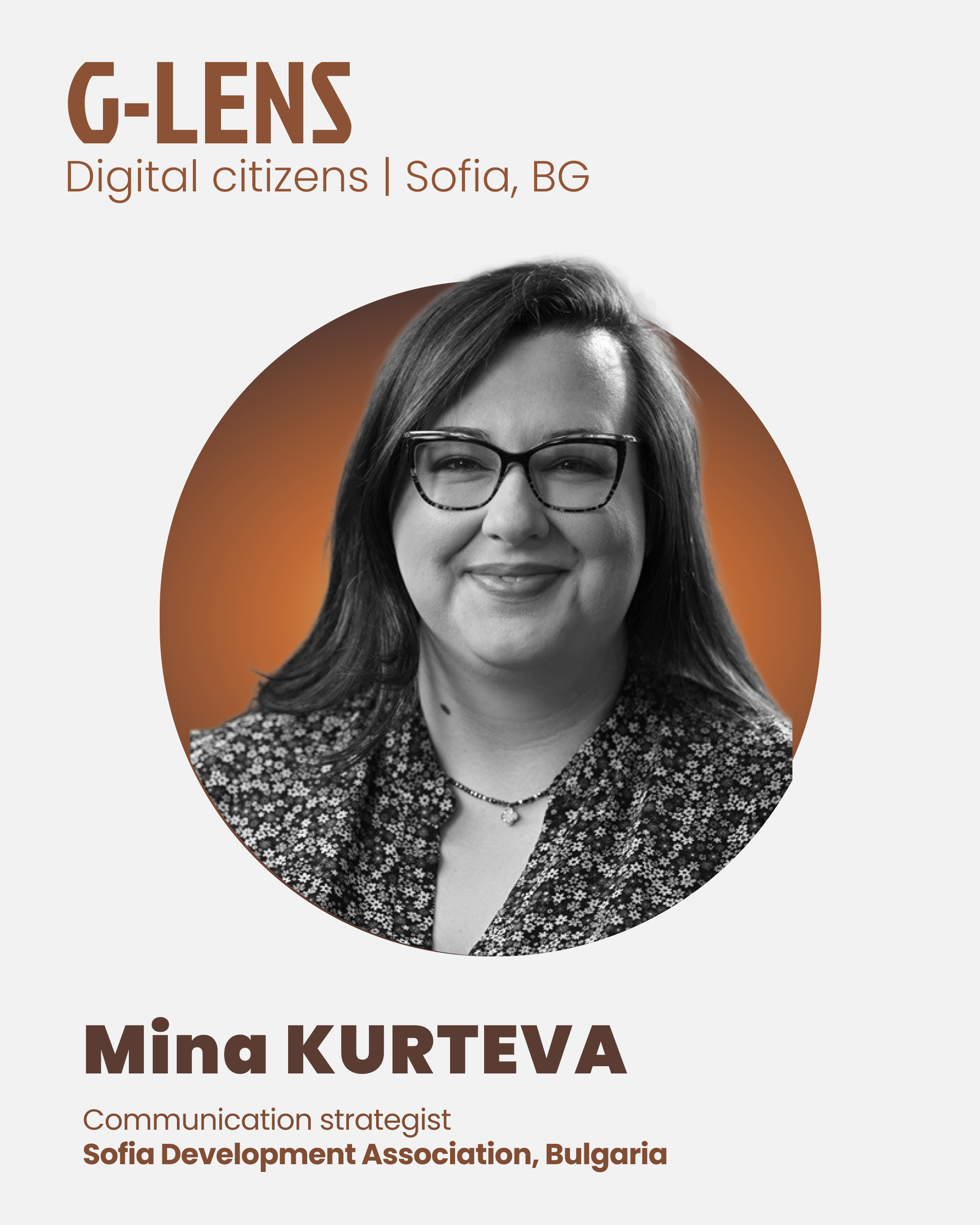
Mina Kurteva – Sofia Development Association (Bulgaria)
Mina Kuteva is a communications strategist with extensive experience in public communications management in the non-governmental, private and public sectors. She skillfully combines creativity and an analytical approach to build persuasive messages and create campaigns with real impact. As part of the Sofia Development Association team, Mina plays a key role in the strategic planning and implementation of the organization’s communication activities — from promoting and distributing projects to building and managing comprehensive media campaigns.
The topic of her participation is the GenderED Coalition Project – a European project funded by Creative Europe, dedicated to combating gender-related disinformation and developing media and information literacy.
She will present their path – from the partnership between organizations from Bulgaria, France, Italy and Greece to the results: innovative online courses, campaigns and resources that have reached over 10 million people.

Hate speech and disinformation. Massive Open Online Courses (MOOCs) on gender-based disinformation for educators and civic activists.

Critical assessment, research and educational initiatives cultivating ethically grounded leaders adept at navigating the digital landscape.

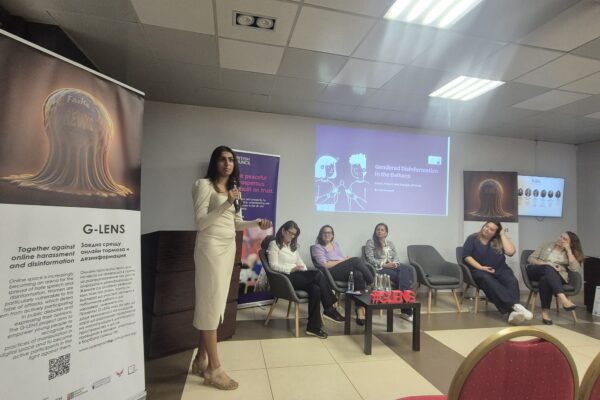
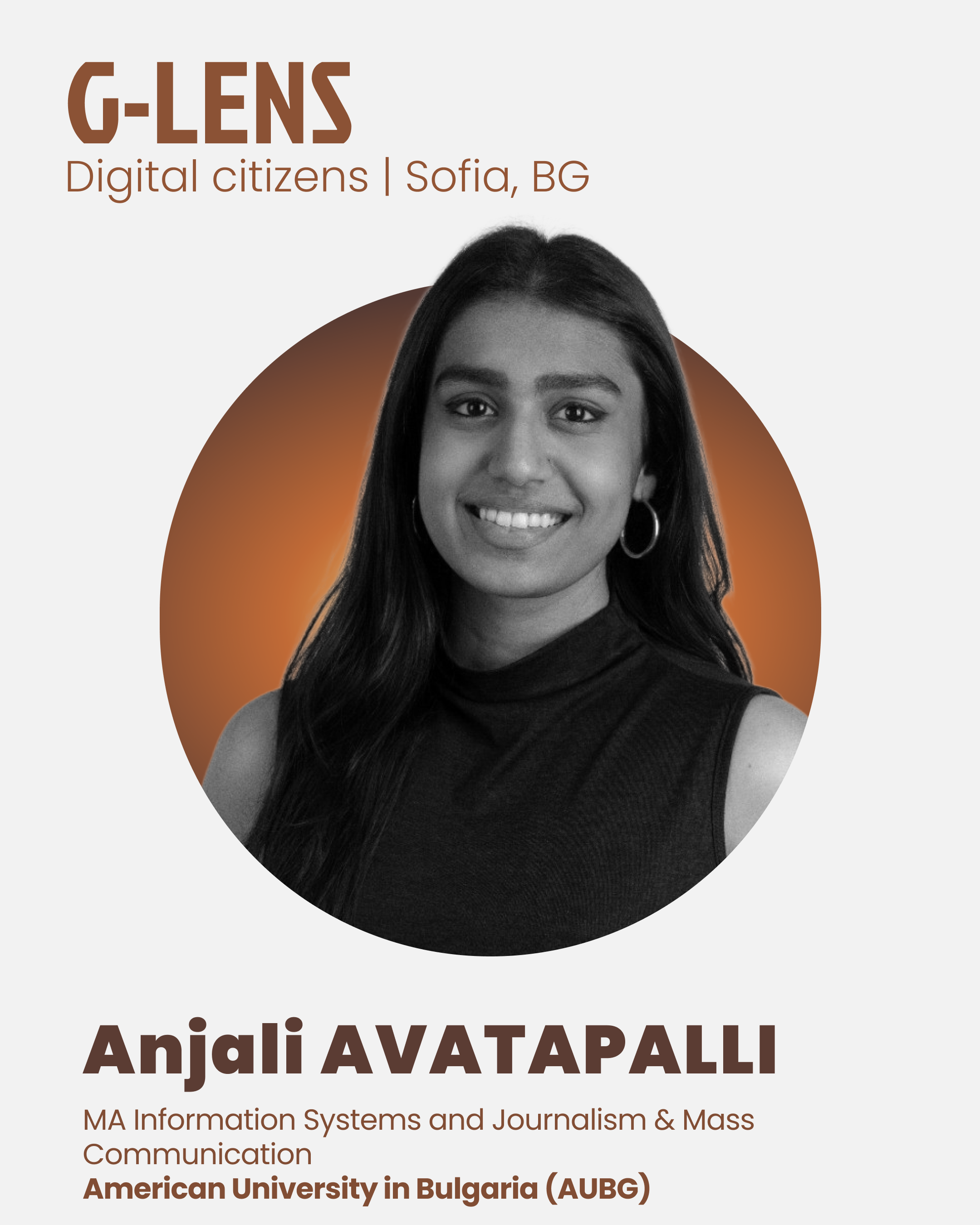
Anjali Avatapalli – Disinformation Analyst & Presidential Fellow, CIDC at AUBG (Bulgaria)
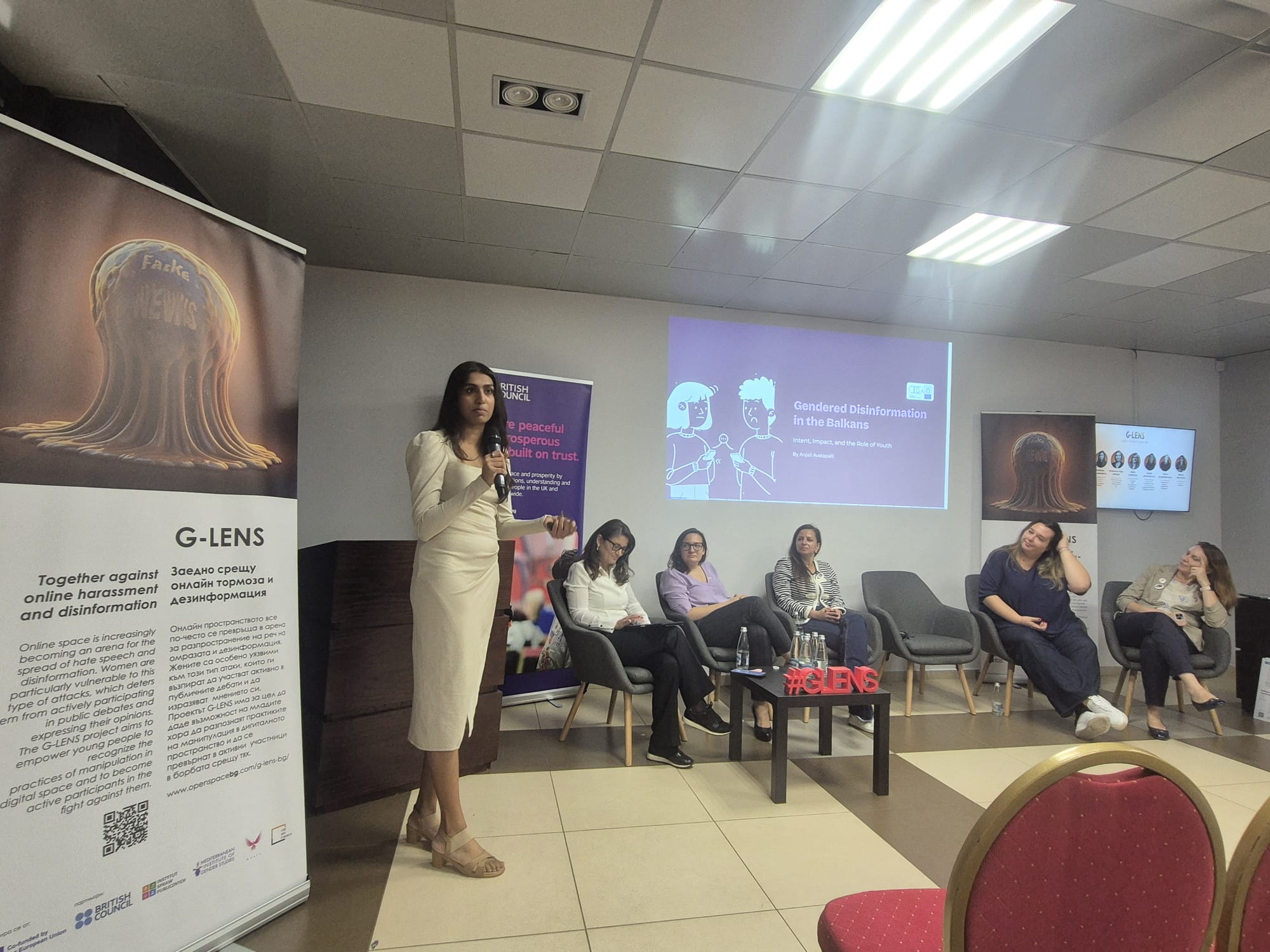
Anjali Avatapalli is a recent graduate of the American University in Bulgaria (AUBG), holding a double major in Information Systems and Journalism & Mass Communication, with a minor in Integrated Marketing Communications. Passionate about understanding the complexities of digital ecosystems, Anjali focuses on how media monitoring and measurement can raise awareness and critical thinking in the online world. With prior experience in commercial public relations and media analytics, she is currently working as a Disinformation Analyst and Presidential Fellow at the Center for Information and Digital Communication (CIDC).
Talk: She will introduce a couple of case studies of harmful gender-based disinformation narratives, with examples from political and social narratives targeting women in the Balkans. It will explore the intent behind these narratives, their societal impact, and the ways in which they undermine women’s roles in the region. She will also touch on the role the media plays in both perpetuating and addressing these narratives. Finally, she will highlight where young people can fit into the puzzle of understanding and combating disinformation online.

Critical assessment, research and educational initiatives cultivating ethically grounded leaders adept at navigating the digital landscape.

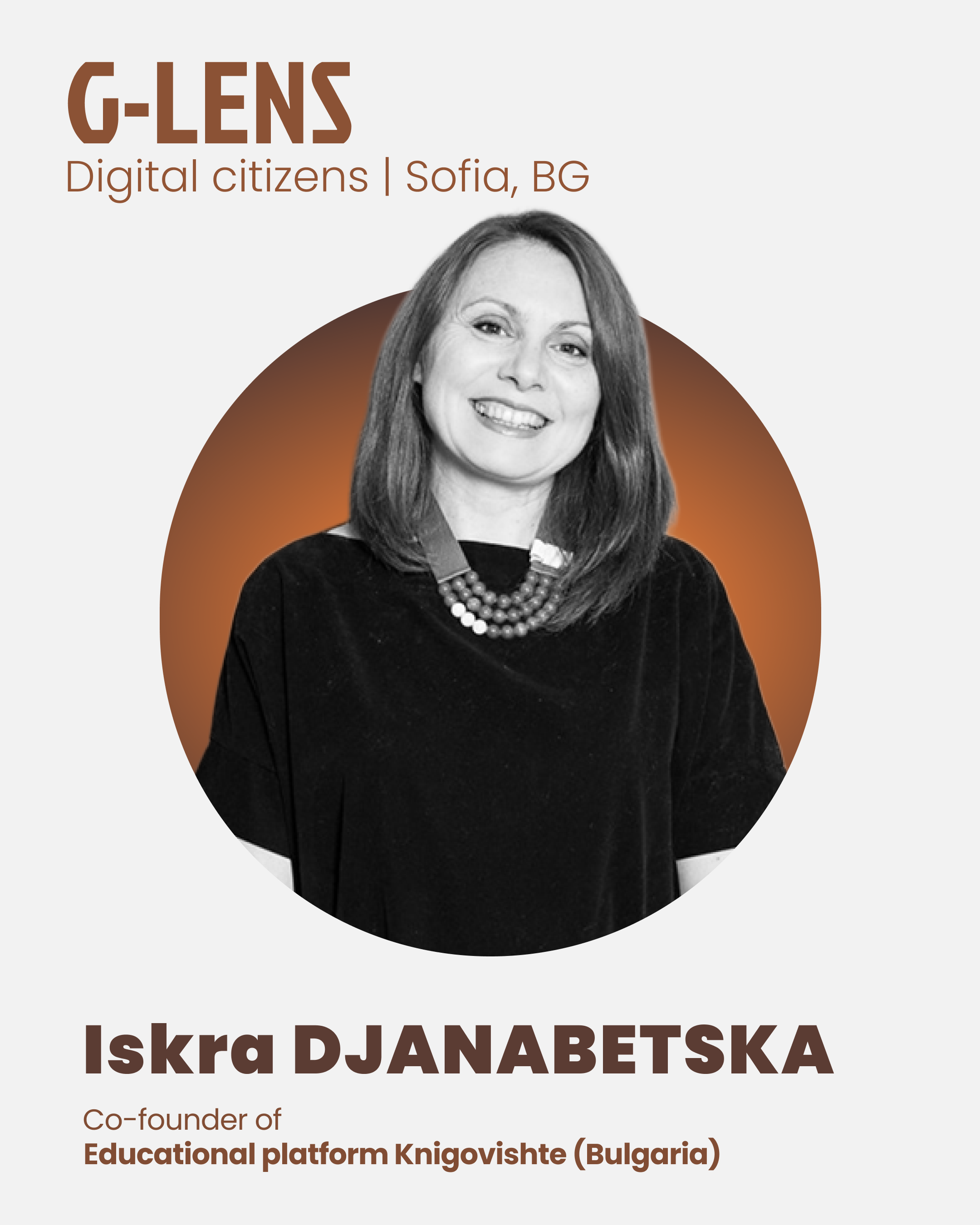
Iskra Dzhanabetska – Knigovishte educational platform (Bulgaria)
Iskra Dzhanabetska is one of the founders of the educational platform “Knigovishte”, whose mission is to help every Bulgarian child discover the pleasure of reading, learn to better understand what they read, and build a lasting desire for knowledge and curiosity about the world. Part of the platform is also “See: the news in children’s language” – the first site in Bulgaria with news for children, written especially for them by professional journalists. With over 20 years of experience in managing educational and social projects, Iskra is fully responsible for the platform and its gamification as an educational and marketing tool.
Talk: Media literacy in children’s language – through quality children’s media and games

Vijte.bg — the first Bulgarian media addressing children aged 7–14; gamified methods for working with young people.


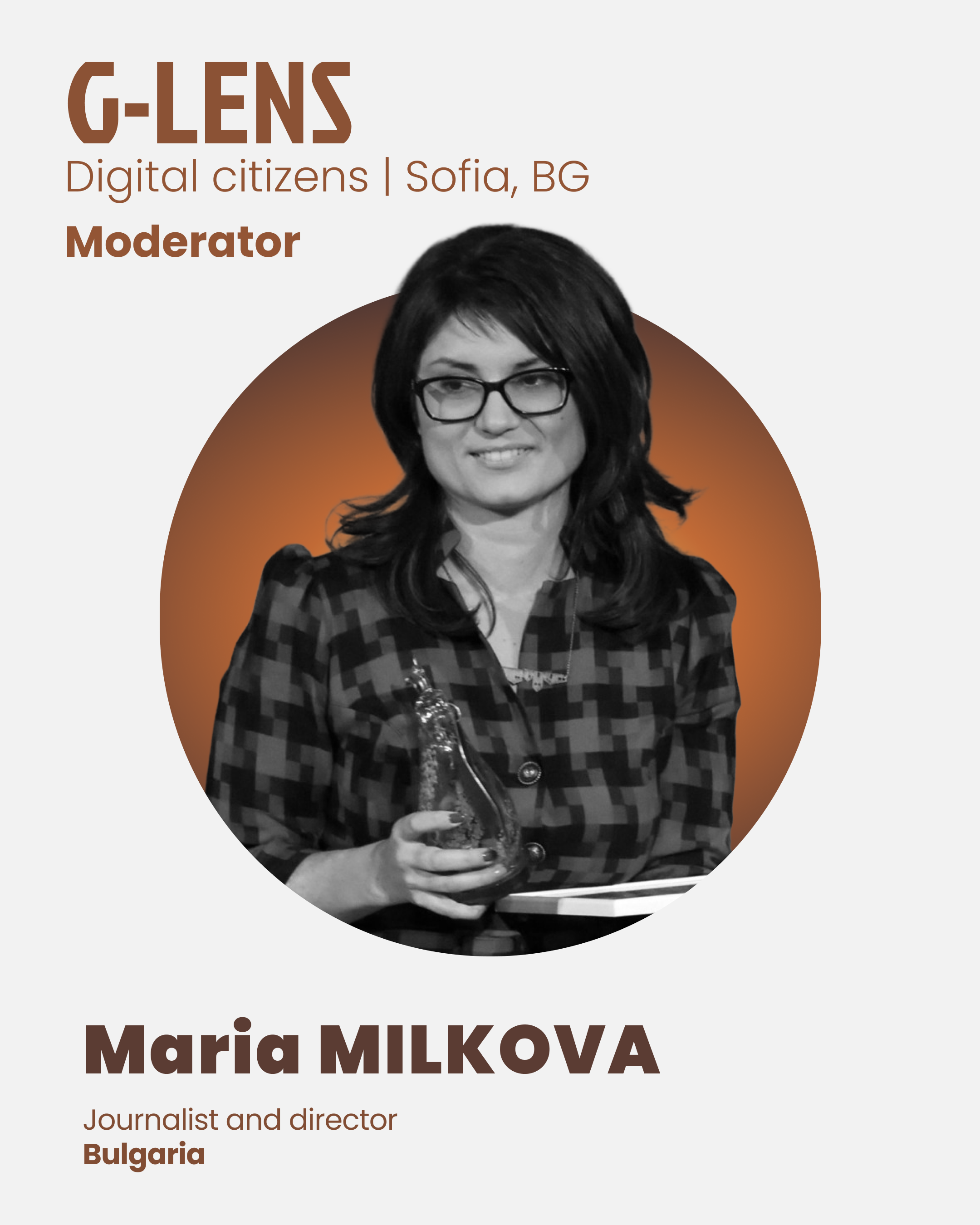
  • Moderator:  Maria Milkova — journalist & director

13:00 – 14:00 | Break

14:00 – 15:30 | Panel 3: Young people on social networks

Psychological impact of the digital world: deep psychological aspects of digital citizenship, including cyberbullying and the influence of social media on the values, lifestyles and behaviours of young people.

Parents Association, Bulgarian family planing association (BFPA), and National Network for Children
Presenting the activities of the National Center for Safer Internet (NCSI), challenges online and safe behaviour in the digital world.

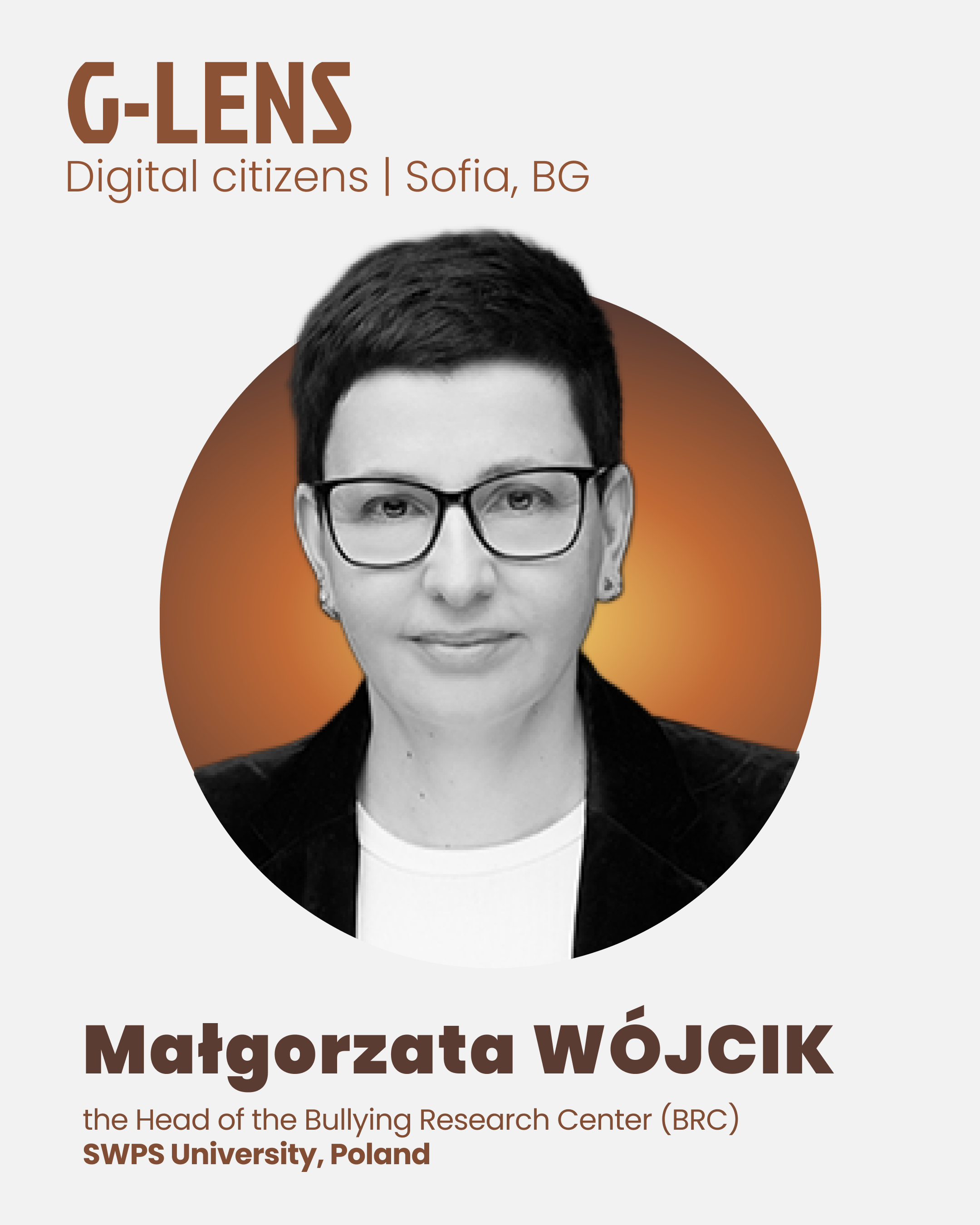
Prof. Malgorzata Wojcik – SWPS University (Poland)
Małgorzata Wójcik  is the Head of the Bullying Research Center (BRC) at SWPS University, where she leads a team of researchers who design projects and develop systems that promote a positive school climate and prevent bullying. Recently, she has been working on the implementation of the RESQL program — an innovative tool that helps monitor, detect, and prevent bullying in primary and secondary schools.
The online world plays a central role in shaping young people’s values, lifestyles, and behaviors. While it offers opportunities for learning and connection, it also poses risks such as  cyberbullying.  Cyberbullying, which is closely linked to traditional peer bullying, makes the experience even more difficult to endure and leads to more serious psychological consequences. To address these challenges, we need to strengthen digital citizenship by teaching empathy, responsibility, and critical thinking. Prevention must be multi-layered — involving education, family support, school programs, and stronger safeguards on digital platforms. The online  world can be a positive environment, but only if we equip young people with the skills and support to navigate it safely and responsibly.

Talk: Represents the Bullying Research Center (BRC) at SWPS University, where she leads a team of researchers who develop projects and systems that promote a positive school climate and prevent bullying.


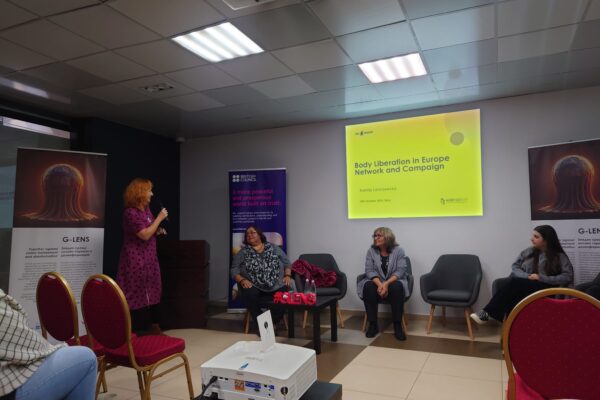
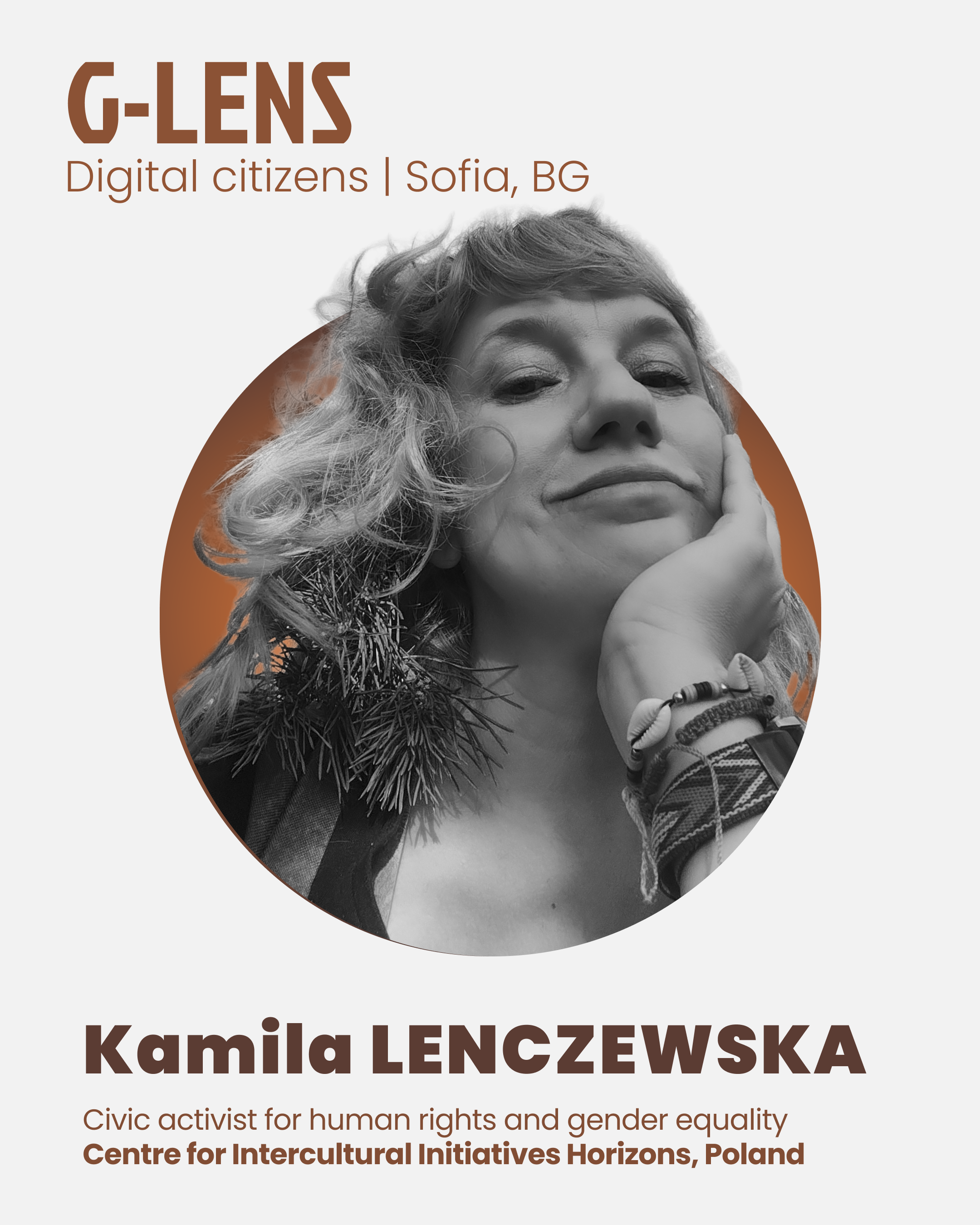
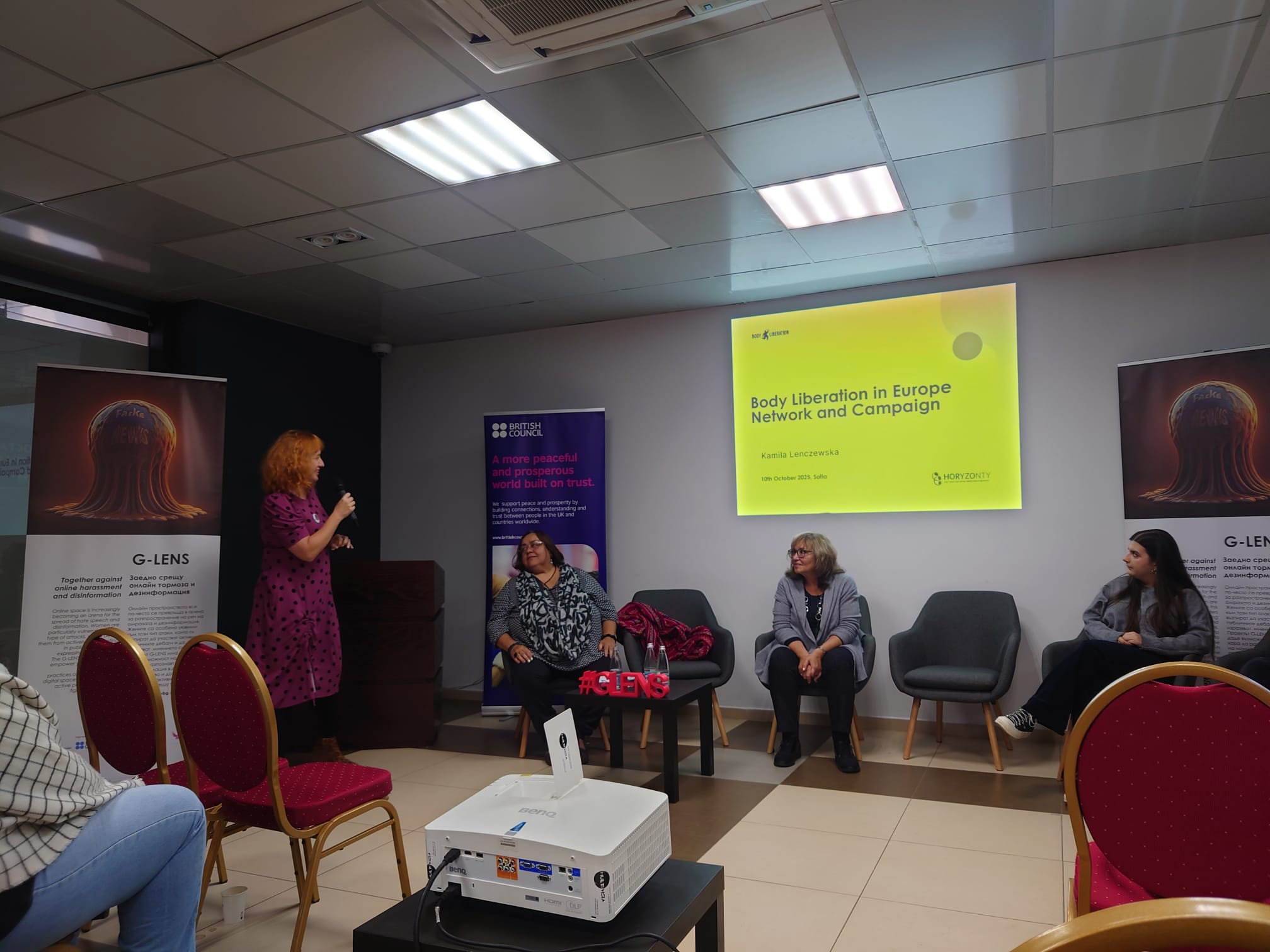
Kamila Lenczewska – Center for Intercultural Initiatives “Horizonty” (Poland)
Kamila Lenczewska (Poland)  is learning space creator and board head of Centre for Intercultural Initiatives Horizons from Poland board head with 20 years experiences in youth & intergenerational projects on local and international level. Civic activist for human rights and gender equality. One of the founders of Body Liberation Online Campaign that works against harmful narratives about body shapes, sizes, and appearances, and addresses discrimination—particularly the ways women are marginalized because of their bodies.

Talk: The “Body Liberation” Campaign, which challenges harmful narratives about body shapes, sizes and appearance and addresses the ways in which women are marginalized because of their bodies.


+ Participants in the discussion:

Viktoria Mirinska – Sofia University
She holds a BA in European Studies from Sofia University “St. Kliment Ohridski” and a MA in the “E-Europe” program, Department of European Studies. Her interests focus on European integration, European Union policies, in particular in the field of media, countering online disinformation and online regulation. She supports efforts to raise awareness and countermeasures regarding the threats and risks of the spread of online disinformation and hate speech and the effects of this on democratic order and societies.

Gergana Dimitrova – Sofia University
Gergana Dimitrova is a second-year student majoring in European Studies at Sofia University. Participant in DisInfoHack 2025, part of the team that won 3rd place with a report on “Migration, Disinformation and Democracy: J.D. Vance’s Speech as a Mirror of Contemporary Challenges”.

Talk: They will answer questions about what participation in DisInfoHack 2025, part of the Academy for Countering Disinformation (CoDE Academy) in Bulgaria, gives them

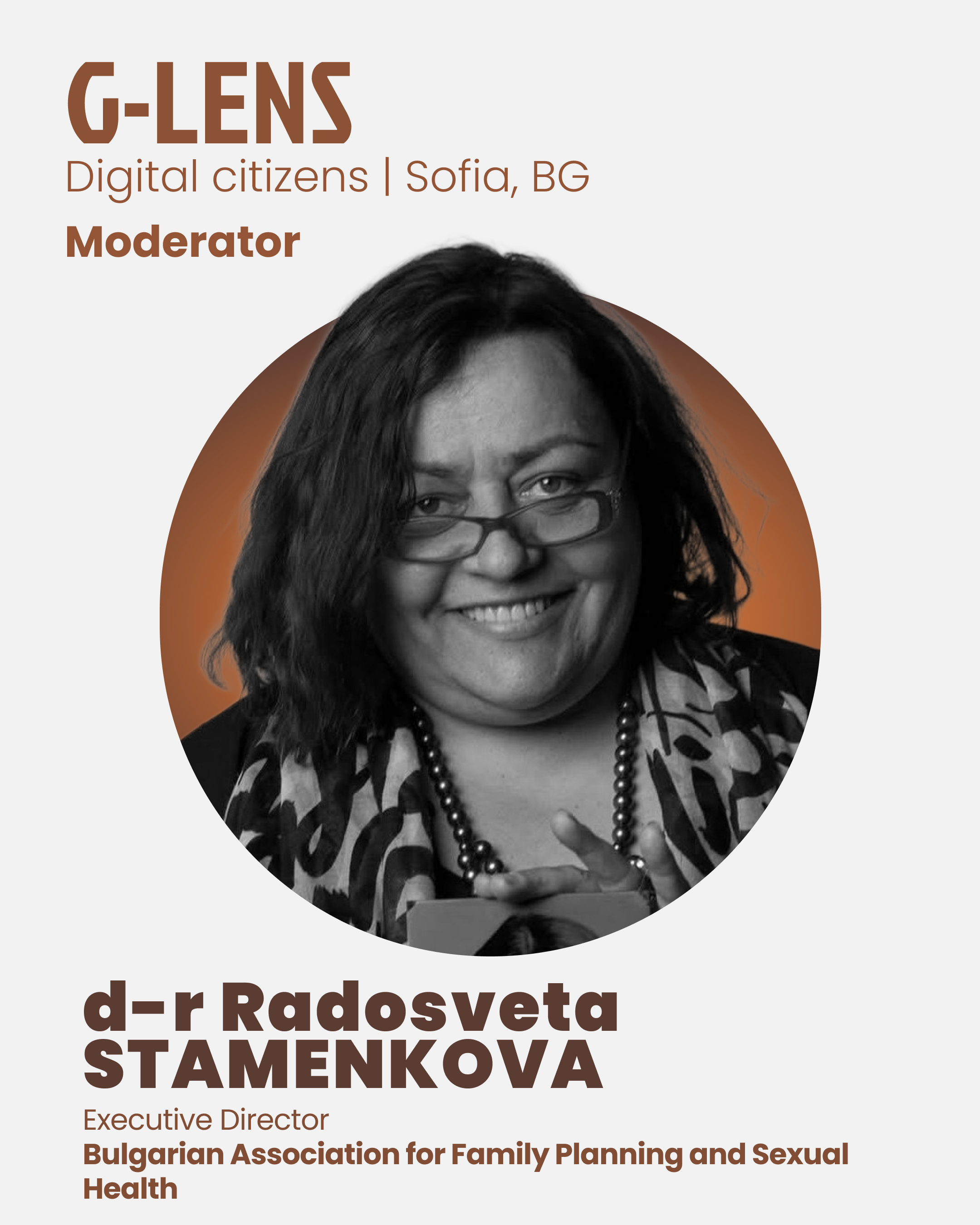
  • Moderator:   Dr. Radosveta Stamenkova — Bulgarian Family Planning and Sexual Health Association (BFPA)


Graphic recording during the conferenceNatali Ilieva – student of Political Science at Sofia University “St. Kliment Ohridski”

  • EXPO: 

Largo Zone (under Independence Square, Sofia)

9:30 – 16:30 — Games, educational tools and good practices for developing critical thinking. NGOs, training institutions, and publishers present resources on critical thinking, media literacy and civic participation:

11:30 – 16:30 — Workshops:

  • Print on textile: you will be able to choose from several messages and make a print on a textile bag or t-shirt.
  • Candle with special message – from Concordia Bulgaria
  • Board game “Offline – no filters, no hate”, author Victoria Mileva, created within the framework of the program “Youth against disinformation
  • G-LENS Social Hub — networking meeting (by invitation)

19:00 – 20:30 | Let’s be offline for a short while — informal meeting for future partnerships


OCTOBER 11 | Saturday | Largo Zone, located under Independence Square, Sofia

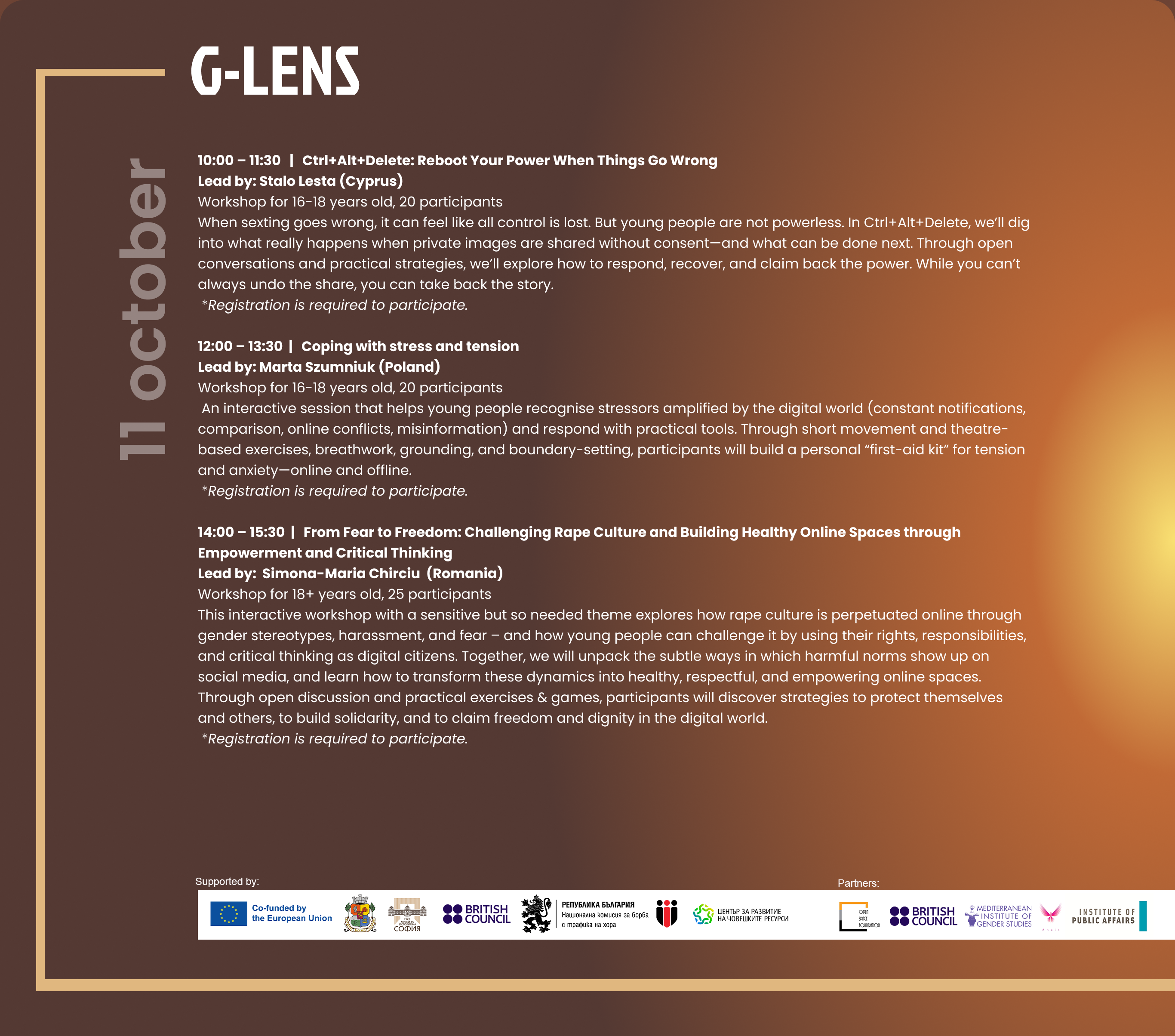
10:00 – 11:30 | Ctrl+Alt+Delete: Reboot Your Power When Things Go Wrong

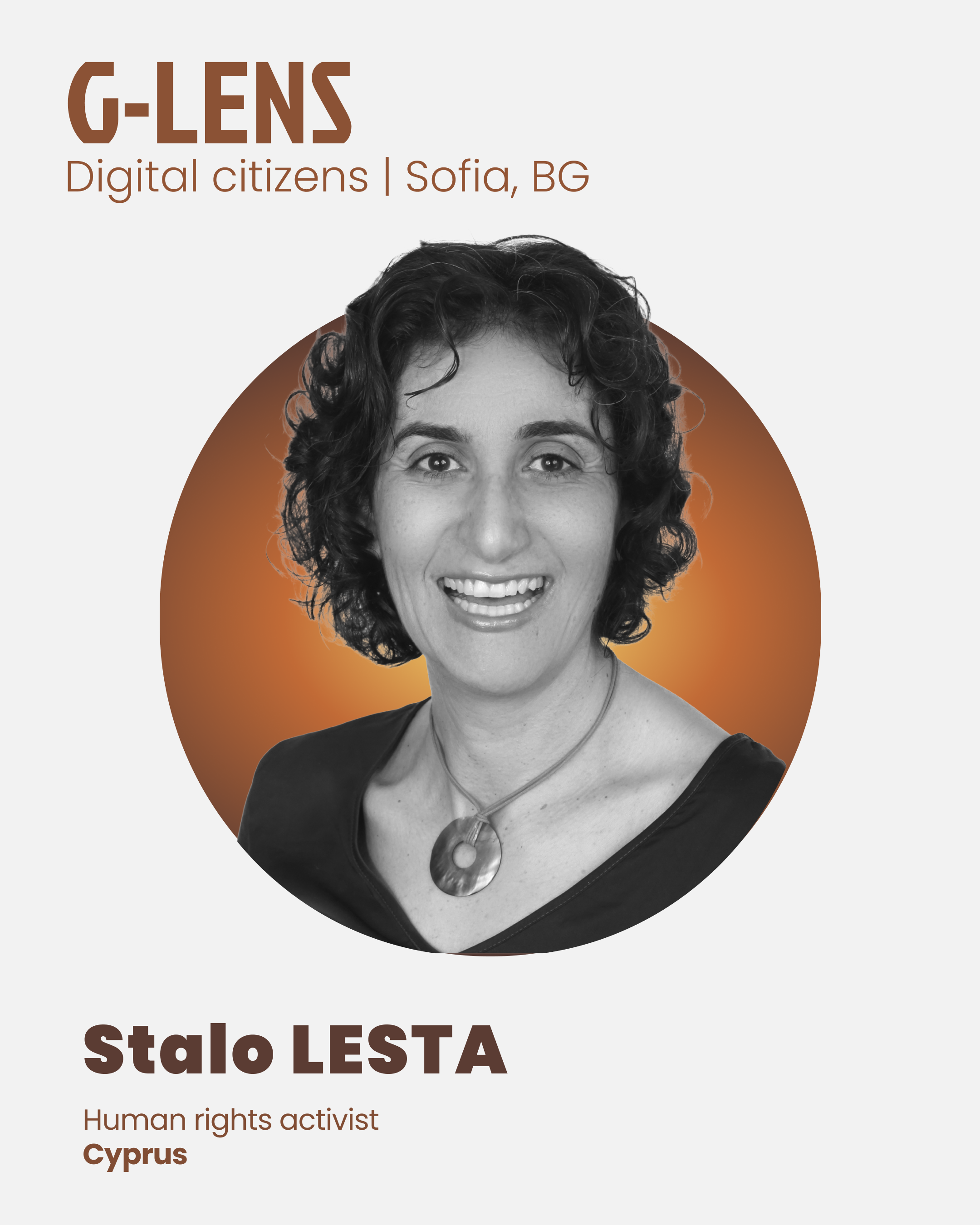
Lead by: Stalo Lesta (Cyprus)

Stalo Lesta is a human rights activist with over two decades of experience as a researcher, trainer, and consultant in human rights education, gender equality, women’s rights, and sexuality. She holds a degree in Statistics, a Master’s in Education in Social Justice and Human Rights, and is a trained person-centered psychotherapist. In 2026, she will begin her PhD focusing on feminist critical pedagogy in sexuality education. Since 2005, Stalo has been an external collaborator of the Mediterranean Institute of Gender Studies on projects addressing SGBV, young people’s relationships, youth empowerment, and gender mainstreaming. She also serves as an external expert for the European Institute for Gender Equality, the Council of Europe, the Mutual Learning Program on Gender Equality, and the International Planned Parenthood Federation. Stalo envisions a world that values diversity, justice, and equality, and is committed to empowering women, children, and young people to assert their rights.


Workshop for 16–18-year-olds, 20 participants.

When sexting goes wrong, it can feel like all control is lost. But young people are not powerless. In Ctrl+Alt+Delete, we’ll dig into what really happens when private images are shared without consent—and what can be done next. Through open conversations and practical strategies, we’ll explore how to respond, recover, and claim back the power. While you can’t always undo the share, you can take back the story.

Registration: here


12:00 – 13:30 | Coping with stress and tension

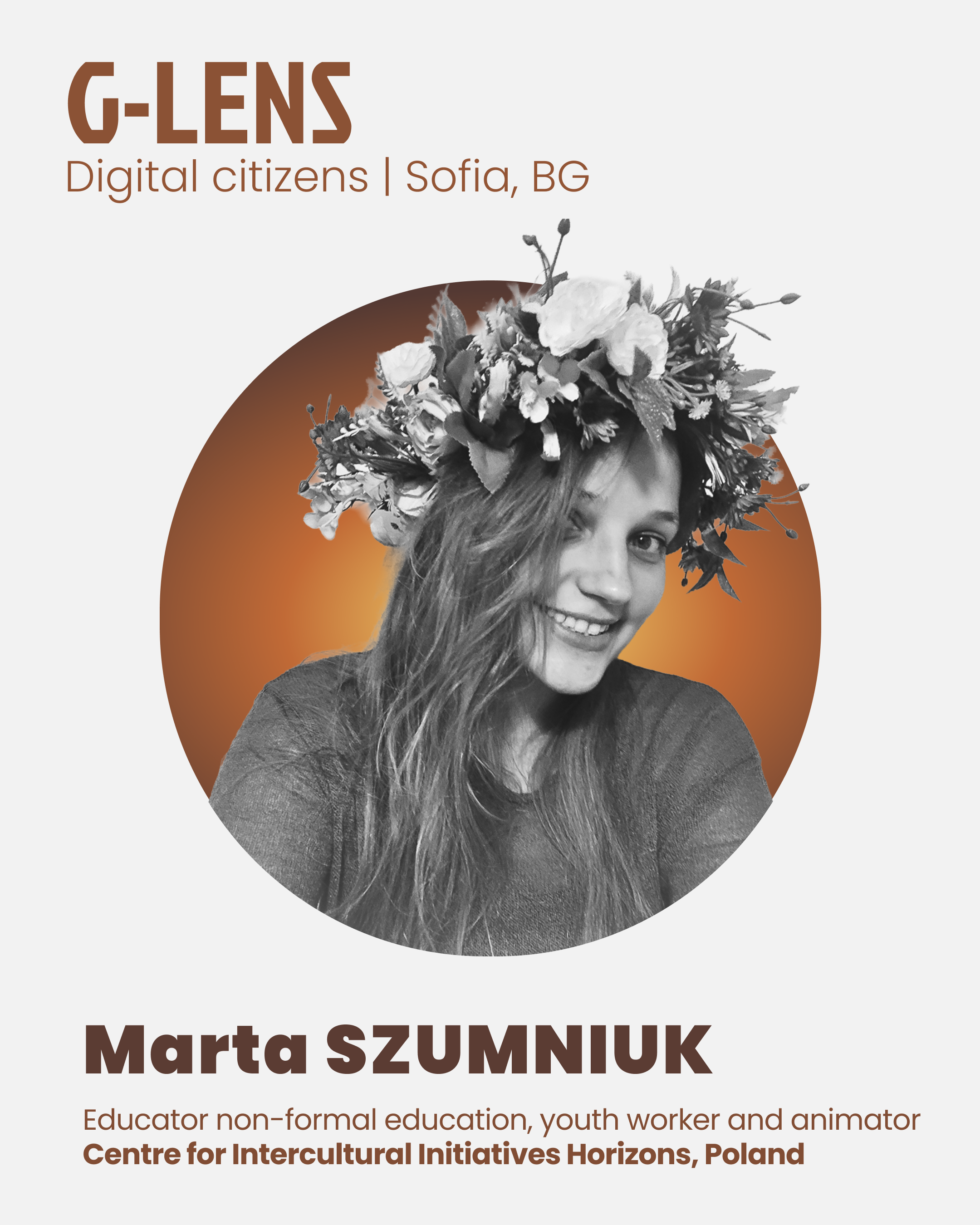
Lead by: Marta Szumniuk (Poland)
Experienced educator, youth worker and animator. With over a decade of expertise in special education, cultural animation, and practical sexology, she leads workshops on communication, body awareness in adolescence, utilizing creative methods such as Improv, Movement and Forum Theatre. As a mentor at CIM Horyzonty, Marta empowers youth and volunteers, fostering intercultural understanding and personal growth.

Workshop for 16–18-year-olds, 20 participants.

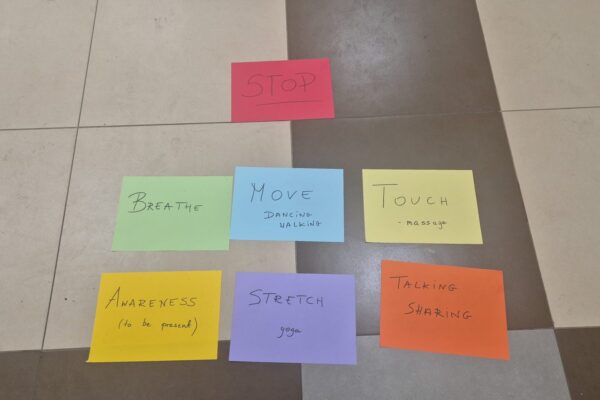
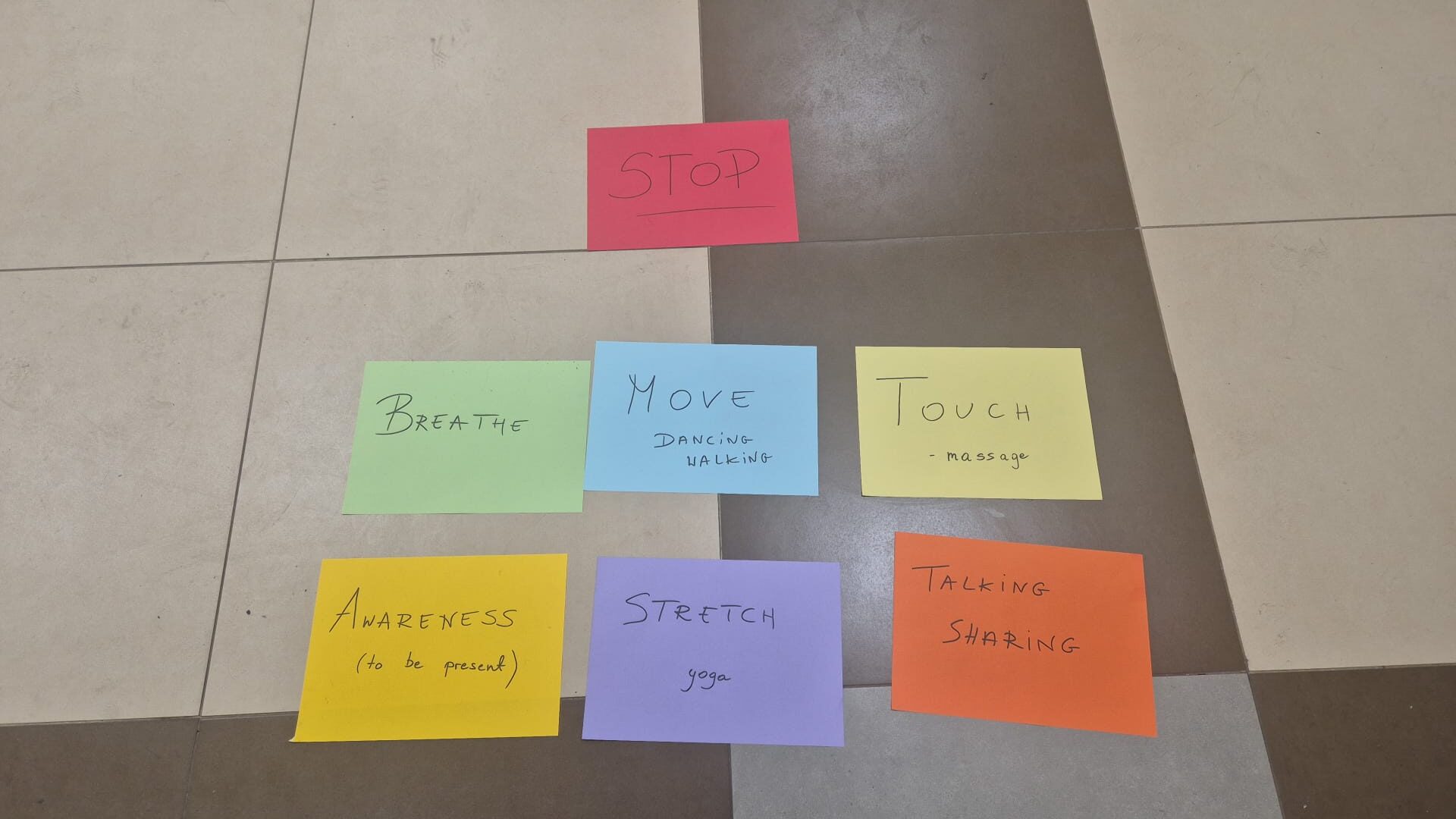
An interactive session that helps young people recognize stressors amplified by the digital world (constant notifications, comparison, online conflicts, misinformation) and respond with practical tools. Through short movement and theater exercises, breathing techniques, grounding and boundary setting, participants will build a personal “first aid kit” for tension and anxiety – online and offline.

Registration: here


14:00 – 15:30 | From Fear to Freedom: Challenging Rape Culture and Building Healthy Online Spaces

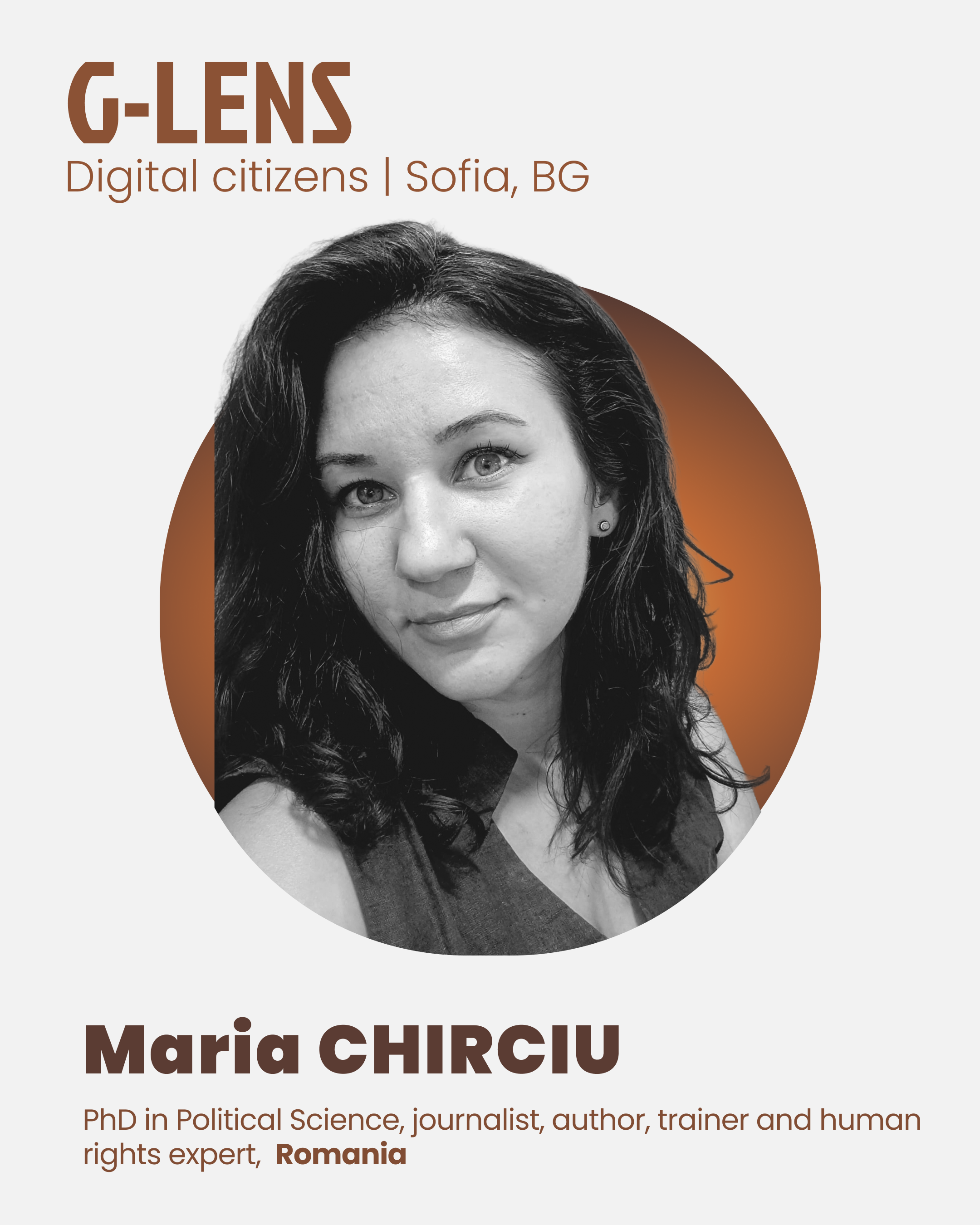
Lead by: Simona-Maria Chirciu (Romania)
Simona-Maria Chirciu (Romania) is a PhD in Political Science, journalist, author, trainer and human rights expert. She is the first activist and researcher on street harassment in Romania and, along with a she-politician, they made the first law that sanctions harassment in public spaces. Many years of working on gender-based violence, as a journalist and activist made her reinforce the idea the solidarity is the main key to tackle status-quo problems and hurts.

Workshop for 18+, 25 participants.

We will explore how rape culture is perpetuated online through gender stereotypes, harassment, and fear – and how young people can challenge it by using their rights, responsibilities, and critical thinking as digital citizens. Together, we will uncover the subtle ways harmful norms emerge on social media, and learn how to transform these dynamics into healthy, respectful, and empowering online spaces. Through open discussion and hands-on exercises and games, participants will discover strategies for protecting themselves and others, building solidarity, and asserting freedom and dignity in the digital world.

Registration: here

For contact and additional information: info@openspacebg.com

Graphic design of conference materials: Hale Nur Tuncay (Turkey)

The Digital Citizens Conference is part of the G-LENS (Gender-Inclusive, Long-lasting and Empowered Networks and Societies) project. The project is co-funded by the EU’s CERV (Citizens, Equality, Rights and Values) programme, and is implemented in partnership with: Fundacja British Council (Poland), IPA Poland (Poland), MIGS (Cypros), ANAIS  (Romania), Open Space foundation (Bulgaria)


With thanks for the support of: Sofia Municipality, RIM Sofia, National Commission for Combating Human Trafficking and British Council in Bulgaria